
City of Tshwane urges Hammanskraal residents not to drink tap water
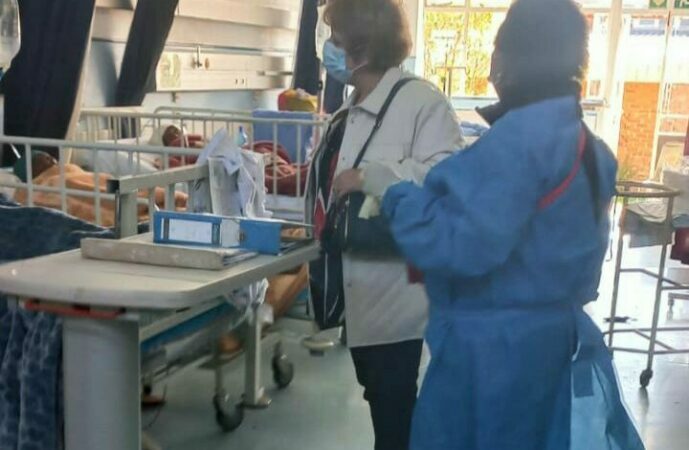
In the wake of the outbreak, six people have died, and at least 52 are receiving medical care at Hammanskraal's Jubilee Hospital.
The City of Tshwane (CoT) has issued a warning to residents in Hammanskraal and surrounds urging them not to drink tap water.
This follows confirmation of an outbreak of gastrointestinal infection in the area by the Gauteng Department of Health.
At least 52 people are receiving medical care at Jubilee Hospital in Hammanskraal. Six have died.
Tshwane spokesperson Selby Bokaba says: “While the water supplied by the city in Hammanskraal is not potable, the city does provide potable (drinkable) water through 52 water tankers to informal settlements three times a week, and 40 water trucks to formal areas daily in Region 2. This is done to ensure that communities drink safe water.
“The city regularly conducts tests on the quality of water provided to our communities, and following this outbreak, comprehensive tests will be done on the entire water distribution network.”
Bokaba says that results from the tests are expected by Wednesday, adding that some cases were from the Moretele area, which is not supplied by the CoT.
“The Outbreak Response Teams are on the ground conducting surveillance monitoring and doing sampling of the water. Communities are urged to present themselves to the nearest health facility immediately when they experience symptoms. Health facilities are on high alert to urgently attend to patients with symptoms.”
Gauteng Health says the patients were from Kanana, Suurman, Majaneng, and Greenfield.
“Gastrointestinal infection is a common and often highly infectious condition that affects the stomach and intestines. It spreads through contact with an infected person or by consuming contaminated food or water,” the statement reads.
Various teams looking into the outbreak
Tshwane health MMC Rina Marx confirmed that the metro’s outbreak response teams with the National Institute of Communicable Diseases, the Centre for Disease Control, and Gauteng Health are investigating the outbreak.
It urged the public to practice proper hand hygiene and report symptoms to health facilities.
According to the department, patients presented with symptoms including watery diarrhea, stomach cramps, nausea, and vomiting.
While most healthy individuals recover without complications, the elderly, infants, and those with compromised immune systems are at a higher risk.
Gauteng Health advises the public to maintain proper hand hygiene, with water and soap before and after using the bathroom or toilet, and before preparing or consuming food.
Regularly wash containers used to draw water from water tankers using Jik, or bleach, and to boil water drawn from all sources before drinking it.
Communities are also urged not to conduct religious activities such as baptism in the rivers or streams.
Signs and symptoms can include:
- Watery diarrhea
- Stomach cramps
- Nausea
- Vomiting
Symptoms may appear within one-three days after infection and can range from mild to severe, lasting up to 14 days in some cases.
Read original story on rekord.co.za

