
Watch: Secret burial of Zulu prince sparks cultural and family dispute
A secret royal burial in KZN has reignited debate over kinship, tradition and cultural authority in Zulu society after a family dispute.
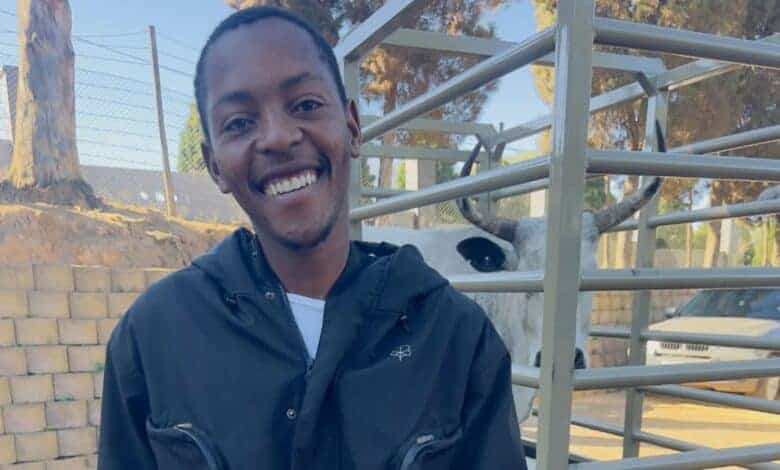
The secret burial of 20-year-old Prince Thembelani Zondi, despite his mother’s objections, has reignited debate about cultural obligations, kinship and the rightful guardianship of the dead in Zulu society.
In an update to the original article, The Witness reports that, according to Dr Balungile Zondi, a cultural anthropologist, the case highlights how breaches of customary law can cause deep emotional and spiritual turmoil — not only for families, but for the community and the ancestral order itself.
“Kinship and lineage systems are at the heart of social organisation in many African cultures,” says Dr Zondi. “When a child is born out of wedlock, the child belongs to the maternal lineage — ko malume — because formal acceptance into the paternal family only happens after marriage and payment of lobola.”
Zondi adds that until these traditional obligations are met, the paternal family has no cultural authority to perform critical rites such as burial. She says these rituals are not symbolic but are essential in connecting the living and the dead through lineage and ancestral recognition.
“The paternal family’s unilateral burial of Thembelani, without the involvement of the maternal side, violates sacred cultural protocols,” she adds. “Burial is more than a send-off; it is a ritual that determines where the spirit belongs and ensures it finds peace among the ancestors.”
‘Akayiboni indlela’ — the spirit that cannot find its way
Zondi warns that when these customs are broken, the spirit of the deceased may become restless, unable to reach the ancestral realm.
“If Thembelani’s spirit is not properly placed through the correct rites, there is a strong belief that he will come back saying akayiboni indlela — meaning he cannot find his way,” she says.
“This belief reflects a deep truth about balance and belonging: When the living ignore custom, they disturb the harmony between the worlds.”
She says the proper rituals — including inhlawulo (a fine for a child born outside marriage), cleansing ceremonies for both families and formal lobola — serve to legitimise the child within the father’s lineage.
Without these, she says, ‘the maternal family retains full cultural authority over burial and posthumous rituals’.
“It may be too late now for these rituals, since Thembelani has already ascended to the land of the ancestors,” she adds. “But culturally, the failure to perform them leaves a wound — one that affects both families’ peace and their relationship with the ancestors.”
The dispute
Thembelani’s mother, Bathobile Hlela, says she discovered her son had been buried in secret the night before his planned funeral — despite a court interdict preventing the burial.
She says she and the child’s father, Thubelihle Zondi, had agreed that the burial would take place at her family home in Sweetwaters since they were never married.
“I had agreed with my son’s father that, culturally, because we were never married, my son would be buried at my home,” adds Hlela.
“We made all the arrangements together. But when I arrived at the mortuary, he refused to release the body and took him to his homestead instead.”
When Hlela arrived at the Zondi homestead with police and a court order, she was told that her son had already been buried.
“I was shattered,” she says.
The royal family’s stance
The KwaMpumuza Royal Family confirms that the burial was conducted in secret ‘in accordance with custom’ and described Thembelani as a prince who had served as caretaker to the inkosi.
Family spokesperson Mzamo Zondi says the decision was made after multiple families — including the Memelas, linked to Thembelani’s maternal grandmother — laid claim to the burial rights.
“When it became clear the dispute wasn’t being resolved, the inkosi made the final decision to bury him quietly,” says Zondi.
The royal family said that ukufihla — an early-morning burial — is a time-honoured Zulu practice observed in sensitive circumstances, including cases of suspected suicide.
‘Culture is law’
Zondi says the situation underscores the need for renewed respect for indigenous knowledge systems and their role in guiding moral and spiritual life.
“We owe it to ourselves to protect our cultural schemas, laws and rituals,” she concludes.
Breaking news at your fingertips… Follow Caxton Network News on Facebook and join our WhatsApp channel.
Nuus wat saakmaak. Volg Caxton Netwerk-nuus op Facebook en sluit aan by ons WhatsApp-kanaal.
Read original story on witness.co.za

