
Every unnecessary antibiotic prescription brings us closer to a health disaster
Experts warn that improper use of antibiotics and antifungals is creating deadly germs that could overwhelm healthcare systems in the coming decades.
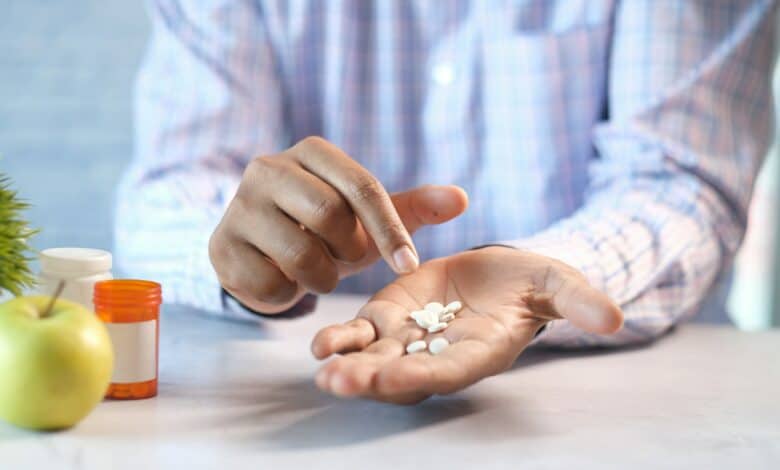
Taking antibiotics for a cold might seem harmless, but widespread misuse like this is fuelling a global health crisis that could kill 169 million people by 2050.
A new opinion paper warns that antimicrobial resistance (AMR) is no longer a distant threat – it is happening now, in South Africa and around the world.
The paper, Antimicrobial resistance: The threat we can see, if we choose to look, was written by experts at the National Institute for Communicable Diseases (NICD) and led by Prof Vindana Chibabhai, head of the Centre for Healthcare-Associated Infections, Antimicrobial Resistance and Mycoses (CHARM). It outlines how bacteria and fungi are becoming increasingly resistant to medicines and highlights the growing danger across hospitals, farms, communities and the environment.

“The article is about the global threat of antimicrobial resistance and the burden of disease globally and in South Africa,” says Chibabhai. “We discuss which bacterial and fungal organisms, and resistance profiles, are of particular concern… and why AMR is a One Health problem.”
One Health is a global approach, promoted by the World Health Organisation, Food and Agriculture Organisation of the United Nations and the World Organisation for Animal Health. It recognises that human, animal and environmental health are connected and must be addressed together.
AMR affects everyone – not just hospital patients
AMR develops when germs adapt to survive medicines that once wiped them out. This makes once-simple infections far harder to treat – and sometimes impossible.
In 2019, bacterial AMR was linked to 1.2 million deaths worldwide. Without urgent action, that number could rise exponentially.
“AMR affects people of all age groups, from newborn babies to the elderly. It can be seen in hospitalised people and in the community,” says Chibabhai. “From a One Health perspective, it can affect our food supply and contaminate water and the environment, meaning it can spread in this way too.”
South Africa faces particularly high pressure because of its heavy infectious-disease burden, the routine use of antibiotics in healthcare, and widespread antimicrobial use in agriculture. The resistant fungus Candida auris, for example, is already entrenched in more than 100 hospitals.
Why does such a deadly threat get so little attention
Despite its scale, AMR remains a ‘silent pandemic’.
“AMR causes the same number of deaths as other important global health issues, but it does not receive the same attention, resources and funding,” Chibabhai says.
CHARM’s surveillance has tracked a steady rise in resistant bacterial and fungal infections for years. She says greater awareness is needed among the general public, policymakers, healthcare practitioners and colleagues in the animal, plant and environmental sectors.
This crisis needs all of society – not just doctors
AMR often grows because antibiotics are used when they aren’t needed, especially for viral infections like colds and flu. But solving the crisis requires action far beyond the doctor’s rooms.
“Antibiotic resistance affects everyone, and understanding it is the first step towards protecting our health,” Chibabhai says. “It is not a problem that requires commitment only from doctors. The role of civil society is highlighted in the article, as is the role of government.”
“We hope the article encourages policymakers to see how important it is for all sectors – human health, animal health, and the environment – to work together to tackle antibiotic resistance,” Chibabhai says.
“By clearly showing the gaps and opportunities, we hope it supports better surveillance, smarter use of antibiotics, and fair access to the medicines needed to treat serious infections.”
What you can do to prevent AMR
- Don’t take antibiotics for colds or the flu – these are caused by viruses, and antibiotics won’t help.
- Always finish your prescribed course – stopping early can let bacteria survive and become resistant.
- Never use leftover antibiotics – only take medicine prescribed for you by a doctor.
- Practice good hygiene – general cleanliness, sanitation, washing hands, preparing food safely and keeping vaccinations up to date helps prevent infections.
- Support responsible antibiotic use in animals and farming – buy meat and produce from trusted sources.
- Education – learn and read about AMR and appropriate antibiotic use, and educate children about AMR.
- Spread awareness – encourage friends and family to use antibiotics responsibly.
Breaking news at your fingertips… Follow Caxton Network News on Facebook and join our WhatsApp channel.
Nuus wat saakmaak. Volg Caxton Netwerk-nuus op Facebook en sluit aan by ons WhatsApp-kanaal.
Read original story on www.citizen.co.za

