
Watch: Up close with giants – witness loggerhead turtles nesting on Kosi Bay beach
Visitors to iSimangaliso Wetland Park are getting a rare glimpse of the delicate and precise nesting process of loggerhead turtles.
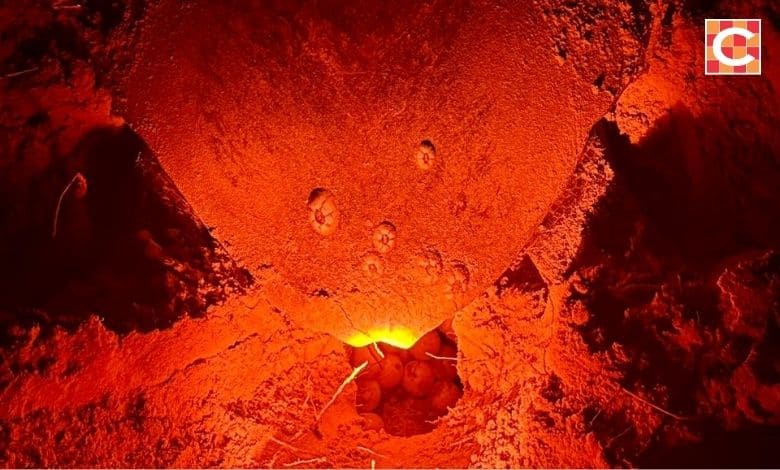
A remarkable encounter with nature unfolded at iSimangaliso Wetland Park’s Bhanga Nek area, near Kosi Bay in KZN, where loggerhead turtles were seen laying eggs as part of a carefully managed conservation programme.
Ed Grosvenor and Jenny Nel recently joined a Bhejane 4X4 Adventures tour group on an eight-day itinerary that included witnessing these endangered turtles in their natural habitat.
Speaking to Caxton Network News, Grosvenor says that on November 26, they came across four turtles, one of which was laying eggs, and three of which were returning to the ocean after laying their eggs.
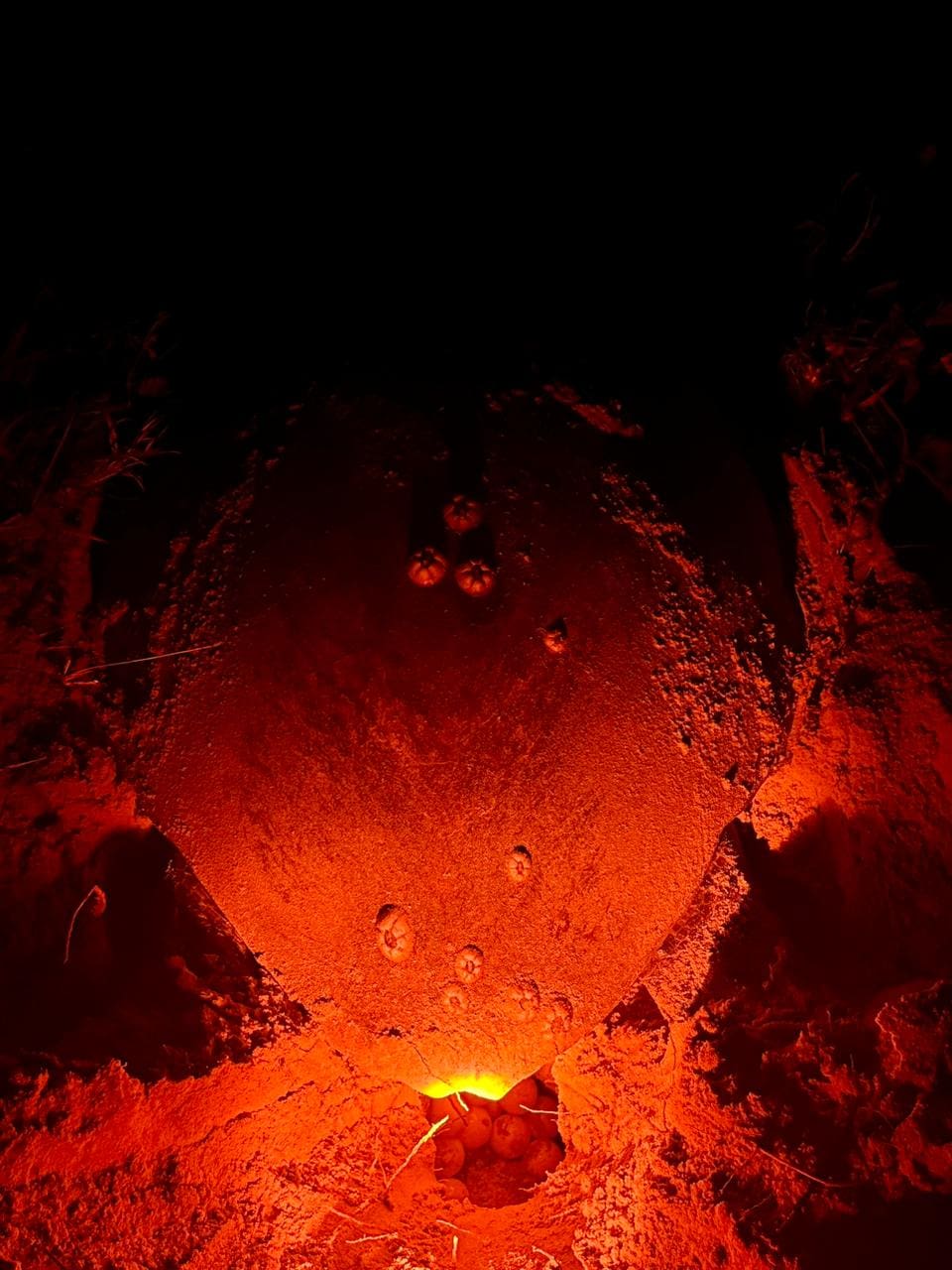
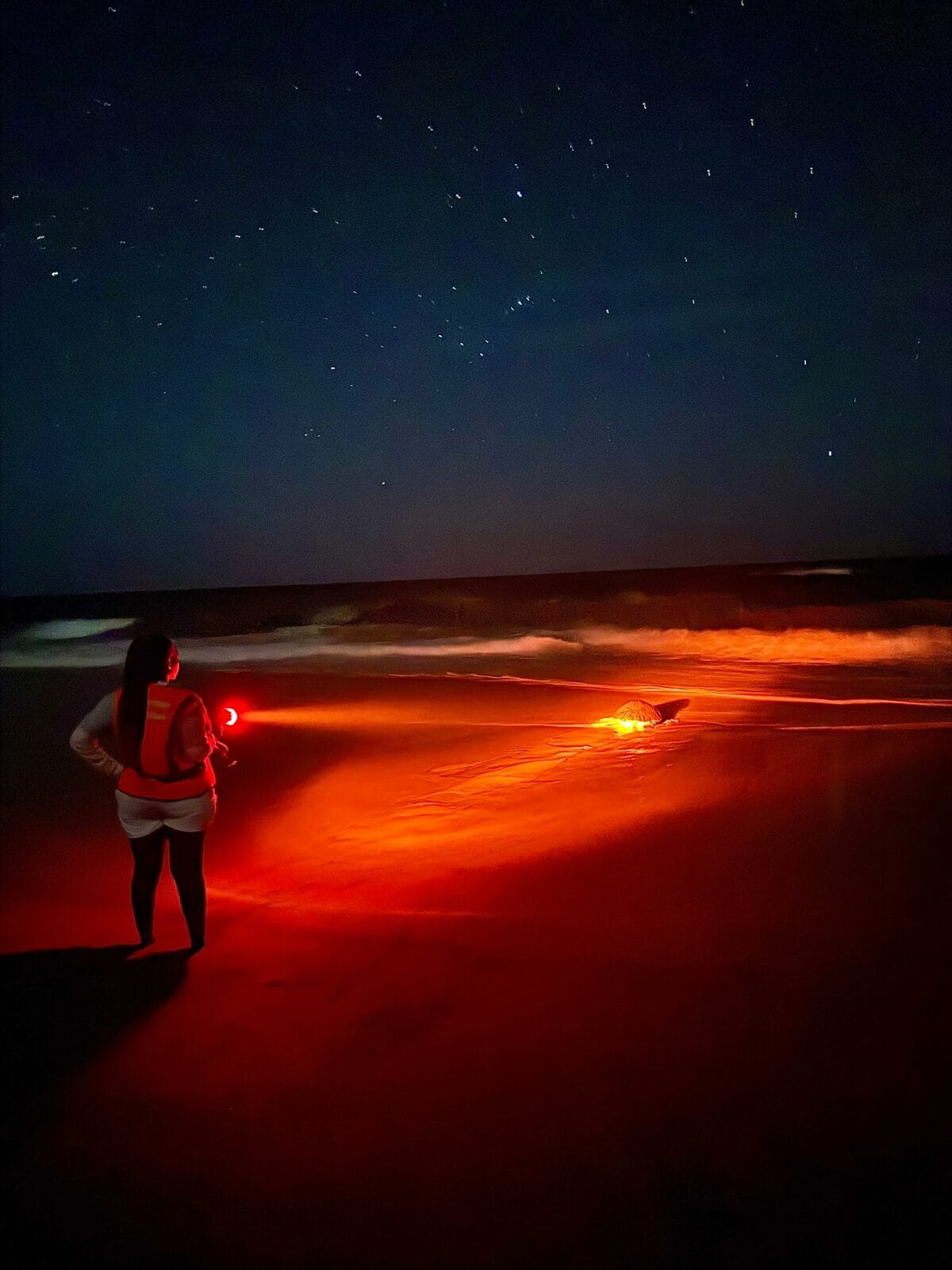
The public viewing of the turtles is strictly controlled by the iSimangaliso conservancy, with permits required to access the beach and knowledgeable guides providing detailed explanations of the nesting process. All sightings of females coming onto the beach are monitored, and the turtles are measured and tagged to support conservation efforts.
“We went to the beach at about 19:00, searching for a female turtle that had moved far above the high water mark. We sat silently about 30m away as she dug a deep nest with her back flippers. Only once she began laying eggs were we allowed to approach, using infrared lighting,” says Grosvenor.
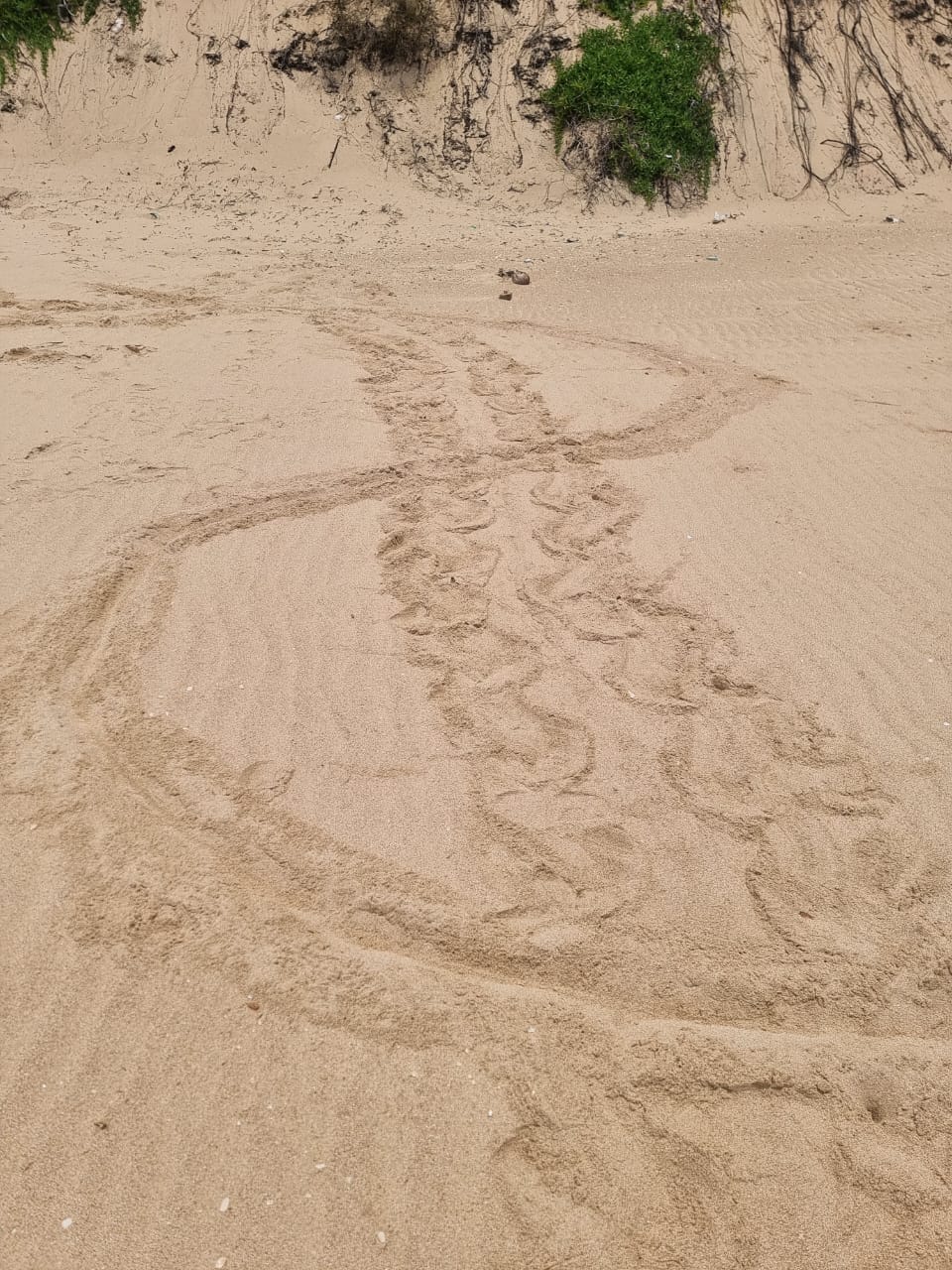
He explains that, during the laying process, the turtle enters a trance-like state, oblivious to her surroundings, and lays up to 100 eggs. He noted that the nest’s incubation temperature determines the sex of the hatchlings – a phenomenon known as temperature-dependent sex determination. The cooler bottom area often results in males, while the warmer top area results in females. In addition to covering and compacting her nest, she vigorously flings sand to create decoy nests in the surrounding area to confuse predators.
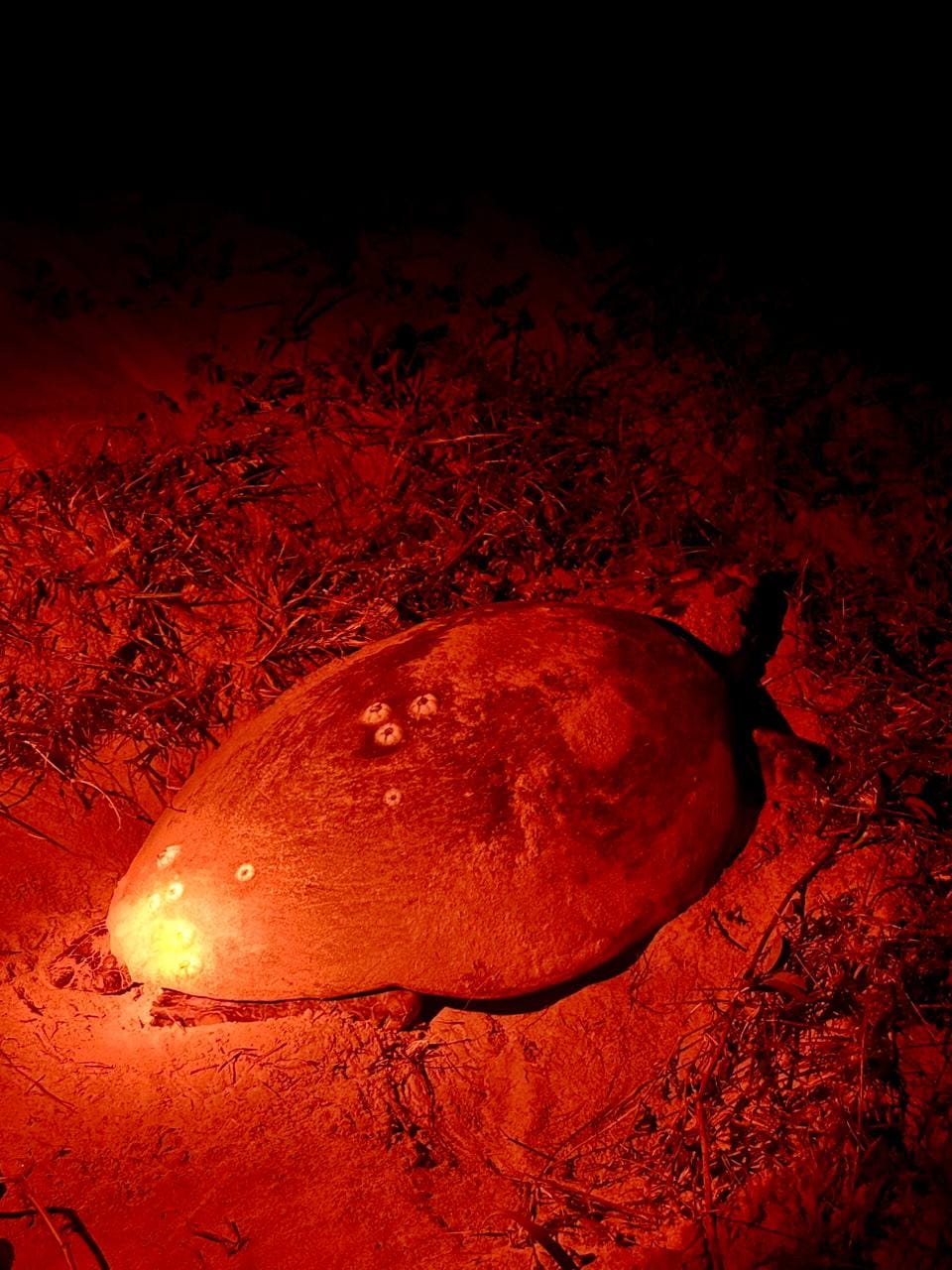
“After covering and compacting her nest, she rested briefly before returning to the ocean, a cycle she repeats at the same beach during each nesting season,” says Grosvenor.
He couldn’t believe the turtle’s nest. “They dig nests about 35cm deep with vertical sides. Their back flippers are shaped like a human hand, and they use them to create a perfectly vertical-sided hole in the sand, just like we would.”
The close encounter offered a rare and humbling insight into the life cycle of one of nature’s most fascinating marine creatures.
Giant-headed wanderers of the sea
Loggerhead turtles are true marvels of the ocean, instantly recognisable by their disproportionately large heads – the feature that gives them their name. As the largest hard-shelled turtles in the world, they can weigh up to a staggering 450kg.
According to information provided on the Two Oceans Aquarium website, these slow-moving giants take their time reaching adulthood, attaining sexual maturity anywhere between 10 and 40 years of age, and can live up to 80 years. Once mature, both male and female loggerheads embark on epic migrations, travelling thousands of kilometres between feeding grounds and nesting beaches.
In South Africa, the northern beaches of KZN are the exclusive nesting grounds for these remarkable reptiles. Though they are the most common turtles in southern Africa, their range spans the subtropical and temperate waters of the Mediterranean Sea, as well as the Pacific, Indian and Atlantic oceans.
The website also notes that loggerhead hatchlings face an enigmatic early life stage known as ‘the lost years’. Little is known about this period after they first enter the ocean from their natal beaches. After several years drifting in open waters, they eventually settle in richer foraging grounds in the epipelagic zone, where they continue to grow until reaching maturity.
Carnivorous by nature, loggerheads use their powerful jaws to feast on starfish, urchins and molluscs, perfectly adapted for cracking through hard shells. Despite their size and resilience, these turtles are classified as vulnerable by the International Union for Conservation of Nature, reminding us of the delicate balance that allows these ocean wanderers to survive.
Watch: Up close with giants – witness loggerhead turtles nesting on Kosi Bay beach. Video: Ed Grosvenor
Breaking news at your fingertips… Follow Caxton Network News on Facebook and join our WhatsApp channel.
Nuus wat saakmaak. Volg Caxton Netwerk-nuus op Facebook en sluit aan by ons WhatsApp-kanaal.
Read original story on www.citizen.co.za

