A year on, loss of international certification continues to hurt Free State athletes
Free State athletes risk losing international recognition and major opportunities as the province’s key tracks remain uncertified and upgrade pleas go unanswered.
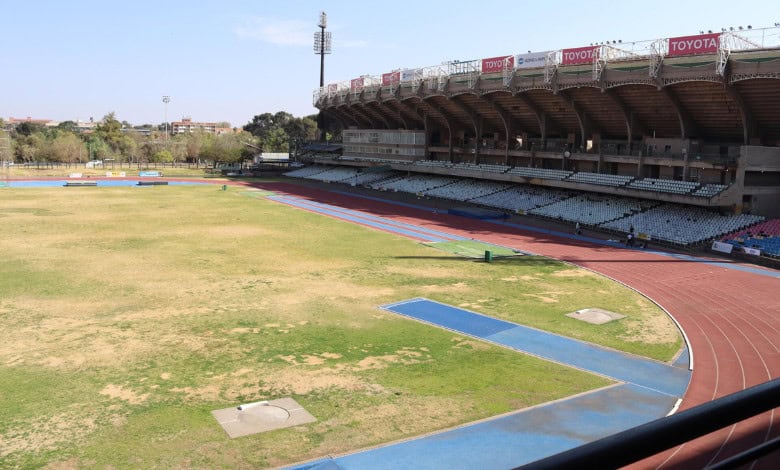
Free State athletes have been severely impacted by the loss of international certification for the Free State Athletics Stadium in Bloemfontein, withdrawn by World Athletics last year. Bloemfontein Courant reports that efforts to regain certification have since been rejected due to the poor condition of the facility and its tartan track. Much-needed upgrades, including complete resurfacing of the track and field event runways, have been repeatedly delayed, reportedly due to a lack of support from authorities.
Athletes losing recognition and opportunities
Local athletes continue to train and compete at the venue, but times and performances achieved there are not recognised by World Athletics. Free State Athletics (FSA) has held several meetings with the Mangaung Metro Municipality (MMM), Athletics South Africa (ASA) and other stakeholders to address the stadium’s status and the steps required to regain certification, ensuring senior, school and para-athletes have equal opportunities to qualify for national and international events.
“We need to have an accredited track for our times and performances to be recognised by World Athletics,” explains Free State Athletics Track and Field chairperson Odessa Swarts. “I’d say we are working with a non-existent stadium, because we have to resurface the entire facility – something we have already presented to the municipality,” adds FSA general manager Kagiso Moletsane.
Swarts says there is quite a bit of work needed at the javelin area as well as the long jump. “Our track requires a complete upgrade, which we have been applying for – and pleading for – at the municipality over the past four years.” The facility in Sasolburg has also reportedly seen its certification lapse, forcing parents of athletes to pay for travel to other provinces simply to record official times. This leaves less privileged athletes even further behind, despite their clear potential.
Economic impact on Bloemfontein
Beyond the athletes, FSA believes Bloemfontein is missing a significant economic opportunity. “There is the potential to host regular national championships, which would bring an influx into the local economy,” says Moletsane. “We’re predicting about R1 billion in economic injection over the next 10 years if these events are able to take place.”
‘How unfair is this?’
Young athletes are particularly hard-hit. Times set on uncertified tracks are ignored by international bodies, costing senior athletes prize money and student athletes the chance of overseas scholarships. “World Athletics only looks for a certificate – they don’t consider the actual condition of the stadium,” explains Moletsane. “They won’t compromise or say, because of the track’s state, we’ll consider your time.”
“How unfair is this towards our athletes?” asks Swarts. “They’re all losing opportunities and are not being recognised internationally.” She adds that FSA must submit motivational letters to ASA for local records to be acknowledged, and claims the national body refuses to grant access to its official timing system. Bloemfontein Courant is yet to receive comment from ASA.
Call for co-operation
FSA is calling on the MMM, the Free State department of sport, the national minister of sport, ASA and potential new partners to work together, ensuring the province’s athletic talent is no longer wasted on an uncertified track.
Breaking news at your fingertips… Follow Caxton Network News on Facebook and join our WhatsApp channel.
Nuus wat saakmaak. Volg Caxton Netwerk-nuus op Facebook en sluit aan by ons WhatsApp-kanaal.