What motorists should inspect before collecting a repaired vehicle
An expert outlines key checks to perform after collision repairs to confirm the work meets required standards.
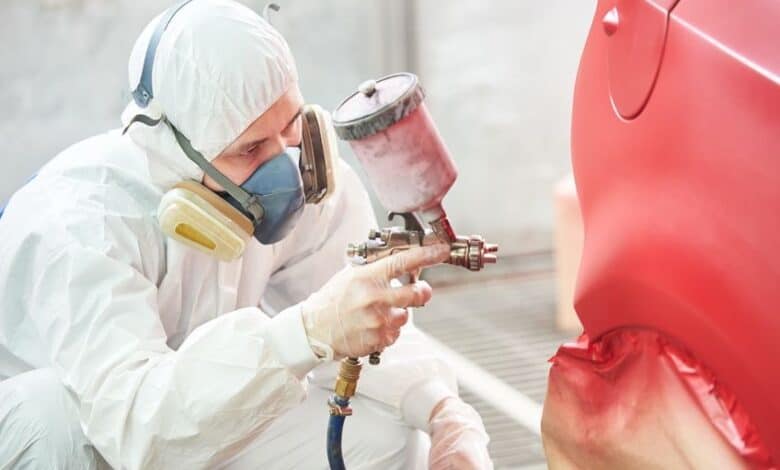
Collecting a vehicle after collision repairs remains a tense moment for many motorists, even when accredited repairers have followed strict industry standards and completed numerous quality checks.
Despite this, drivers often say they still want reassurance that the work has been done properly before they return to the road.
The South African Motor Body Repairers’ Association (Sambra), an association of the Retail Motor Industry Organisation, says that confidence at handover often comes down to knowing what work was authorised and what to physically check when taking delivery of the vehicle.
“One of the biggest misconceptions is that a repairer restores the entire vehicle after an accident,” says Sambra national director Juan Hanekom.
He adds that repairs are carried out according to the scope authorised by the insurer or the customer. “If additional work is required, motorists can discuss it with the repairer and request a separate quotation.”
Hanekom advises consumers to start their inspection by carefully examining the repaired area first.
Start with the repaired area
The repaired section should appear uniform and consistent with the surrounding panels. One of the easiest checks is to look at the panel gaps around doors, bonnets, boots and repaired panels. These should be evenly spaced and aligned with adjacent body panels.
“A quality repair should blend seamlessly with the rest of the vehicle,” explains Hanekom. “The repaired area should not immediately stand out to the eye.”
Check the paint finish
Paint matching is often the most visible aspect of a collision repair. Hanekom recommends standing 3-4m away from the vehicle and viewing the repaired area from different angles, preferably in natural daylight.
This provides a quick indication of whether the colour and finish match the surrounding panels. Consumers should look for consistency in colour, gloss and texture.
Attention to detail
While repairers will return the vehicle clean and presentable, motorists should not necessarily expect a full valet or detailing service unless this forms part of the agreement.
However, consumers can inspect around the repaired area for signs of quality workmanship.
Common items to check include polish residue trapped in panel gaps or on window rubbers, paint overspray, loose trim pieces or other repair-related residue.
“The finer details often reflect the pride a repairer takes in their work,” says Hanekom.
Confirm everything operates correctly
Where relevant to the authorised work, doors, windows, lights, sensors and other components should operate normally. Motorists should raise any concerns immediately during the handover process and ask the repairer to explain the work that was completed.
Understand the quality controls already in place
Hanekom notes that accredited repairers conduct numerous inspections throughout the repair process. These typically include assessments when the vehicle is first quoted, when it is booked in, during the repair process itself and again prior to delivery.
“Many repairers document these inspections extensively, often capturing dozens of photographs at both the booking-in and delivery stages. These quality-control processes help ensure the vehicle meets the required repair standards before it is returned to the customer.”
As vehicles become increasingly complex, incorporating advanced materials, sensors and safety technologies, quality collision repairs remain critical to both vehicle safety and performance.
Hanekom encourages motorists to choose accredited repairers, ask questions about the authorised repair scope and ensure they fully understand the work that has been completed before accepting delivery.
“A professional repair is not simply about appearance. It is about correctly restoring the damaged area in accordance with approved repair procedures and giving the customer confidence in the work that has been carried out,” concludes Hanekom.
Breaking news at your fingertips… Follow Caxton Network News on Facebook and join our WhatsApp channel.
Nuus wat saakmaak. Volg Caxton Netwerk-nuus op Facebook en sluit aan by ons WhatsApp-kanaal.