A quick guide to understanding different types of bricks
Whether you’re getting ready to build your dream home or maybe you’re just looking at trying your luck with a DIY wall project or a raised garden bed - understanding which type of brick is best suited to the job is the first step to success.
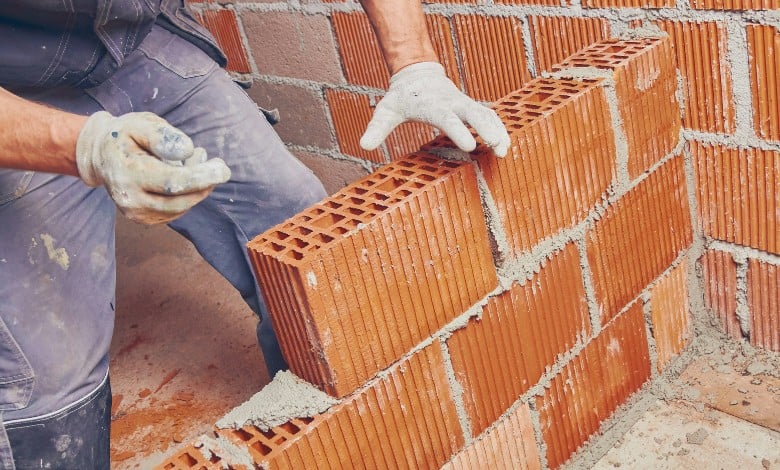
A brick is a brick, right? Well, not quite. Knowing whether to choose face bricks, clay or cement bricks can make all the difference in the durability, functionality and look of your build.
- Face bricks: Strength, style & finish
Designed for visible finishes, so they don’t require plastering or painting. They come in a variety of colours and textures, making them ideal for homes that prioritise aesthetics alongside strength.
Pros: Low maintenance, durable colourfast finishes, and long-term cost-effectiveness. Cons: The main con is a slightly higher upfront cost compared to other bricks.
Where to use them: Face bricks work best for external walls, feature walls, and homes where maintenance-free finishes are a priority.
- Clay bricks: Traditional strength with natural benefits
Kiln-fired from natural materials, clay bricks are one of the most traditional and widely used brick types. They combine strength, insulation, and a natural aesthetic that blends seamlessly into many homes.
Pros: Energy efficiency, long lifespan, and a natural look.
Cons: They typically require plastering and may vary slightly in colour between batches.
Where to use them: Clay bricks are ideal for structural walls, internal partitions, and energy-efficient homes where natural thermal properties are valued.
- Cement bricks: Cost-effective and consistent
Often used as plaster brick blocks, they are made from cement and aggregates, giving them a uniform shape and consistent quality.
Pros: Good compressive strength, but less thermal insulation than clay bricks. They are straightforward to work with and ideal for plastered walls.
Cons: They might not give you the desired look, depending on your overall aesthetic.
Where to use them: Cement bricks are commonly used in budget-conscious builds, internal walls, and plastered applications where uniformity and cost efficiency are priorities.
Remember, you can also mix bricks – many homes use structural bricks for strength and face bricks or tiles for aesthetic finishes.
Content by Buco.
For more on home, visit Get It Magazine.