SA buyers zoom in on Dubai, Mauritius, Zimbabwe property
Expats comprise a huge proportion of property purchase, a sector which has grown significantly over the last few years.
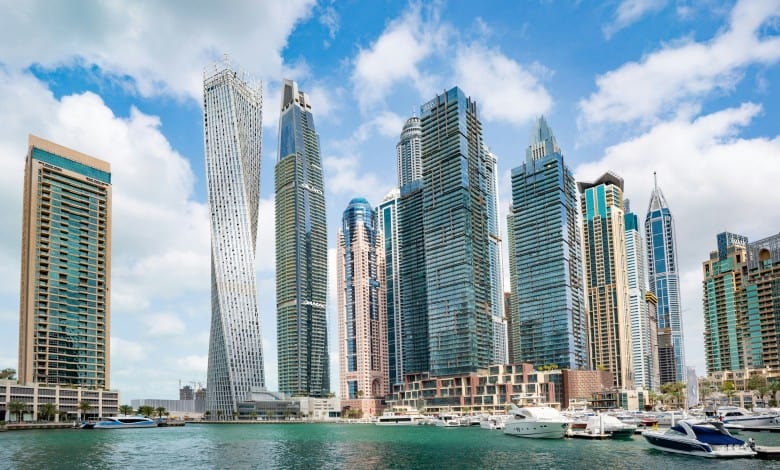
South Africans and Expats working in the country have become an attractive market for property in neighbouring African countries, and also for the Mauritius and Dubai property markets, according to the Seeff Property Group.
Dubai (UAE, Middle East)
At the top of the list is Dubai which is gaining in popularity with South African and African investors, says Nombasa Mawela, licensee for Seeff Dubai who is on another roadshow across the country to meet the demand from high-net-worth (HNWI) investors in the main centres across SA.
The Dubai property market has exploded over the last two years with growth last year amounting to a 36% rise in transaction volumes and 20% increase in overall value. There is also a buoyant short and long-term rental market, says Nombasa. There’s already a large SA expat population there, but she says that investors from South Africa and other countries such as Nigeria are increasingly investing in the lucrative rental market, especially off-plan developments with favourable payment plans.
Sales already topped a few hundred million rand over the last year with most buyers investing in the AED 1m to AED 3m (approx. R4m-R12m) range, mostly apartments and townhouses for which there is high rental demand. Rental yields for example up to 5%-8% in popular areas like Dubai Marina, Downtown Dubai, and Business Bay. Luxury villas have also been sold for upwards of AED 3m (approx. R12m) in prime locations like Palm Jumeirah, Emirates Hills, and Dubai Hills Estate.
The Dubai 10-year Golden Visa has become a big draw-card, but requires a property investment of AED 2m (approx. R9.8m) minimum, says Nombasa. Aspects such as the lifestyle, stability, ease of doing business, tax benefits, and ability to open a bank account, and obtain property finance are all attractive for local buyers.
Mauritius (Indian Ocean Island)
Severine Dalais-Pietersen, licensee for Seeff Mauritius says the number of South Africans moving to Mauritius is also on the increase, both families and retirees. There’s also strong demand for holiday properties, both for own-use and to rent out in the lucrative rental market. Short-term holiday rentals or long-term leasing to expatriates can generate attractive returns. She says South Africans have mostly purchased apartments linked to a 5-star hotel, or as a second home which they want to enjoy when they come on holidays on the island.
Most South Africans purchase in the USD375,000 to USD 600,000 range (approx. R6.9m – R12m) range which is also the minimum to gain permanent residency. Long term rentals of villas yield and income upwards of MUR 130,000 (approx. R65,000) per month, and two-bed apartments and penthouses from MUR 60,000 (approx. R25,000), depending on the property and location. Rental yields vary, with luxury properties offering between 3% and 6%, depending on location and occupancy rates.
Mauritius is favoured for its safety, politically stable environment, proximity to South Africa, and high quality lifestyle which includes healthcare and education. The lifestyle is very similar to what South Africans enjoy, and Mauritius is only a 6-hour flight. Foreigners can also open a bank account, and obtain finance. The tax regime is particularly favourable with a low tax rate, no capital gains or inheritance tax, and free repatriation of capital. South Africans can also leverage the Double Taxation Avoidance Agreement between South Africa and Mauritius to optimise their tax exposure, she says.
Zimbabwe (Neighbouring country)
Another interesting country which is setting its sights on SA buyers, is Zimbabwe. Patience Patongamoyo, licensee for Seeff Zimbabwe, says there are many Zimbabwean expats working in SA and the UK. Interest is growing in investing in property ownership back home which she says is very lucrative for the fact that it is home and one day, expats will want to return.
House prices in Harare’s northern suburbs (the most expensive areas) range form USD300,000 to USD 1m (approx. R5.5m-R18m). The eastern, southern and western suburbs are more affordable, ranging from USD60,000 to USD250,000 (approx. R1.09m-R4.5m). There are also developments which are ideal such as Dabuka Village in Ruwa, about 24kms from the Harare CBD on Mutare Road.
Rental rates in the northern suburbs range from USD1,000 to USD4,000 (R18,100-R72,000) per month for a modern apartment with 4-5 bedrooms. Other areas range from around USD500-USD1,000 (approx. R9,000-R18,100) per month.
In the interim, these properties offer good investment prospects as the rental market offers attractive yields. Expats in fact comprise a huge proportion of property purchase, and there are many diaspora landlords, a sector which has grown significantly over the last few years.
Issued by: Gina Meintjes