Fires and insurance: What to expect and have in place
If you have insurance coverage in place and are affected by a fire, immediately inform your broker or insurer of the incident in order for them to provide you with their list of requirements to get the claim registered and an assessor appointed.
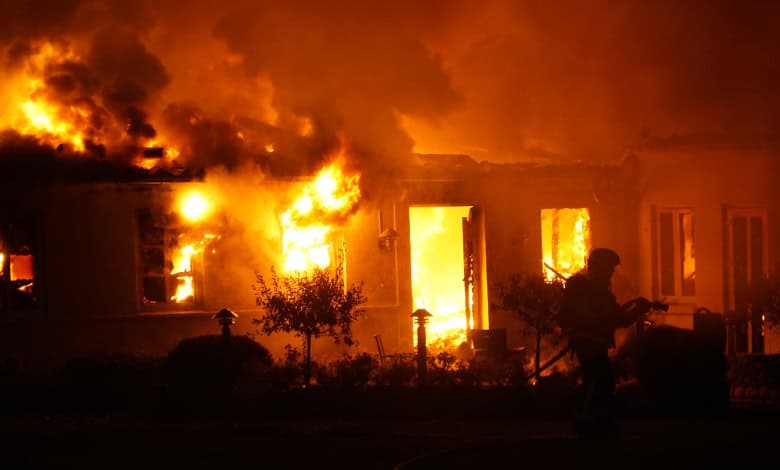
In light of the fires Mossel Bay recently had, those residents who were lucky enough not to lose anything might have thought: But what if it had been me?
Mossel Bay Advertiser reached out to a local independent insurance broker, Pieter Erasmus (Lifestyle Brokers No 1), to find out what needs to happen before and after disaster strikes.
Erasmus said solid planning is your first line of defence. What form does this planning take when it comes to families and businesses?
Insurance policy
A great start is to have a comprehensive insurance policy in place, one with which you have made sure all required covers are in place. In the case of the fires, a personal policy will have fire cover included under the buildings, contents and vehicle sections, whereas a business policy has a fire section and other sections where fire and acts of nature will be covered.
Look at the terms and conditions
Be mindful that each insurance policy has its own terms and conditions, and it is best to sit down with an experienced broker that can explain the details and make sure your needs and risks are addressed. A myth is that insurance is more expensive when you deal with a broker, which is not the case. Premiums and cover are based on the risk profile of each insured person or business.
If you have a thatch roof on your house or lapa, for example, each insurer will have their conditions of cover.
Some of these are:
- The thatch must be treated with a fire retardant
- You might need to have fire extinguishers
- If there is a chimney through the thatch, you need spark arrestors
- Do bush clearing and cut away trees, and in certain areas, a lightning pole must be installed.
Insurance vs day-to-day expenses
A very real scenario is that for some families, insurance premiums might not be as important as paying for the food they need to put on the table. In such instances, they could consider taking limited cover on their household contents, for example, where theft cover is excluded, but fire and natural disasters like floods, storms and hail will still be covered, which greatly discounts the monthly premium.
Steps to take after a fire
- If you have insurance coverage in place and are affected by a fire, immediately inform your broker or insurer of the incident in order for them to provide you with their list of requirements to get the claim registered and an assessor appointed.
- Some requirements would be to take photos and/or videos of the structural damage, burnt rooms, appliances and furniture. Unless the insurer gave the green light, DO NOT throw away anything, or remove anything from the site.
- A next step would be to secure the property – insurers usually cover the boarding up of doors/windows, a security guard and temporary fencing. Get clarity and permission from your broker or insurer, and check to what rand amount this is covered.
- Then you want to list everything that was damaged, like furniture, electronics, clothing, appliances, tools and personal items.
Proof of ownership
A condition of insurance cover at claims stage is proof of ownership. This can be very frustrating at times, and our number one tip would be to have a valued inventory of your household goods, either done by yourself or by companies that offer this service. In so doing, you also eliminate average applying to your claim. Average is when you are underinsured; the insurer will only proportionately pay out your claim based on the percentage of underinsurance.
This can be as simple as using your cellphone to record all the rooms in your house and taking photos of the big items and their serial numbers.
Your belongings must be insured for current replacement value, not what was paid for it 10 years ago. Insurance renewals account for inflation year on year, and one should make sure this gets done.
Accommodation
Another extension of cover generally included on most policies is alternative accommodation. This will assist you in paying for renting another property/house while you get your property rebuilt or repaired. Again, check to what value this is covered.
An assessor/loss adjuster will be appointed by your insurance company, and their main role is to inspect the damage, confirm the cause of the fire and assess whether repairs can be done or if your property must be demolished and rebuilt based on the structural damage.
What if you don’t have insurance?
We saw that a community can come together in a matter of minutes. Should you be in a position in which you unfortunately did not have insurance, emergency accommodation from friends or family or hospitality establishments providing temporary accommodation will be your first priority.
Thereafter, you will have to establish what the extent of damage is and call on non-profit organisations and goodwill from the community for basic needs. When it comes to rebuilding a property or replacing your household contents, you might be able to gather a few things from goodwill and then plan to replace other items as time goes on. We have also seen fundraising for families through crowdfunding on platforms like BackaBuddy.