Your essential guide to setting up a thriving fish tank
Thinking about a fish tank for your home or office? Here are the key steps to creating a healthy environment for your finned friends.
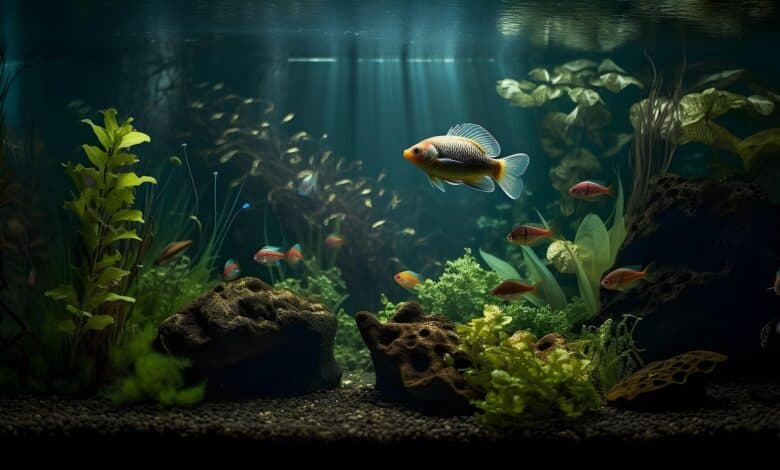
Whether you love the idea of zenning out in front of a calming aquarium or your child is hoping to have a little fish tank as a new hobby, having a beautiful tank with healthy fish can be a rewarding experience – if you do it right from the beginning.
Selecting the right fish is the first step towards a successful and enjoyable fishkeeping experience. You will find a good variety of beginner-friendly fish at reputable pet shops and aquarium specialists. When selecting your fish, consider their adult size, temperament, and compatibility with other species. Research each species’ needs before making a decision. Popular beginner fish include:
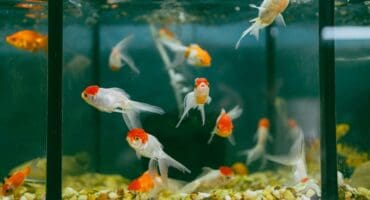
- Goldfish: They prefer cooler water and are best kept in single species tanks, without other kinds of fish. Remember, they can grow quite large.
- Guppies: These small, colourful fish are lively and adaptable. Guppies are hardy and easy for beginners to keep.
- Platies: Platies are active, social, and come in a range of vibrant colours. They are robust and easy to care for, thriving in a variety of conditions.
- Corydoras Catfish: These gentle bottom-dwellers help keep the tank clean by scavenging for leftover food. They are happiest in small groups.
- Mollies: Mollies are hardy, adaptable, and available in a wide range of colours. They are peaceful and do well in community tanks, making them a favourite for beginners.
- Swordtails: Swordtails are attractive, easy to care for, and known for their distinctive tail shape. They are lively, peaceful and ideal for people who are new to fishkeeping.
Setting up and maintaining your aquarium
Setting up your tank correctly from the start will save you time and trouble in the long run and help your fish thrive. Start with these eight essential steps:
- Aquarium: Choose a tank size that fits your space and the number of fish you want to keep. Fishbowls are unacceptable, even for species that are commonly sold in them like male beta fish.
- Lid or hood: This prevents fish from jumping out, reduces water evaporation, and keeps dust out of the tank. A lid also prevents other pets (like cats) from helping themselves to a fish or two when they feel peckish.
- Filter: A good filter is vital for maintaining water quality by removing waste and toxins.
- Heater and thermometer: Fish require stable temperatures. A reliable heater and thermometer are important for maintaining the correct range, especially during the cooler winter months.
- Lighting: Proper lighting is important for fish and live plants. LED lights are energy-efficient and provide the right spectrum for plant growth.
- Substrate: Gravel or sand provides a base for plants and beneficial bacteria. Be sure to rinse the substrate thoroughly before adding it to your tank.
- Decorations and plants: These offer hiding spots and reduce stress for your fish. Live plants improve water quality by absorbing excess nutrients and producing oxygen.
- Water conditioner and test kits: Use a water conditioner to remove harmful chlorine and chloramine from tap water. Regularly test your water for ammonia, nitrite, nitrate, and pH levels to ensure a safe environment for your fish.
Remember to let your tank run for at least a week before adding fish to the water. This process, known as cycling, allows beneficial bacteria to establish and helps prevent harmful spikes in ammonia and nitrite.
Content by Amina Strath.
For more on pet care, visit Get It Magazine.