Understanding your gut health
Give your gut all the goodness by knowing how to keep it balanced and what to do if it isn't.
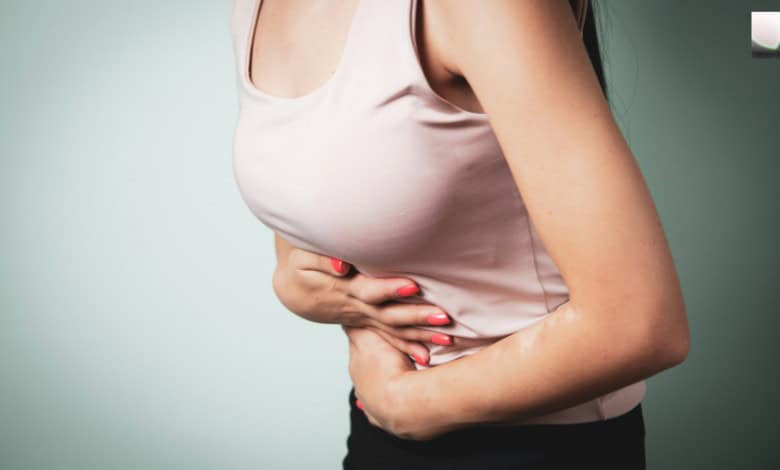
Gut health is all the rage … and for good reason. It’s linked to your overall health and if it’s not balanced, your body can’t thrive.
The first signs might be small. A little bloating here. A strange bathroom routine there. That heavy, unsettled feeling that seems to arrive on the busiest day of the week. Suddenly, your gut has your full attention. Here’s what you need to know to give your gut its best life while avoiding red flags.
- What is gut microbiota?
Your gut microbiota is made up of trillions of microorganisms including bacteria, yeasts, and other microbes.
- What does the gut microbiota do?
This microbial community in the gastrointestinal tract influences an impressive range of bodily functions, including nutrient absorption, waste elimination, hormone regulation, immune defence, and even your mental wellbeing through the gut-brain connection. In a healthy gut, these bacteria usually live together in a balanced, helpful way.
- What happens if your gut balance shifts?
Gut dysbiosis has been linked to digestive conditions such as irritable bowel syndrome, celiac disease and inflammatory bowel disease. It has also been associated with health issues beyond the gut, including obesity, metabolic disorders, heart related conditions, allergies and asthma.
- What upsets the natural balance?
There are several daily factors including the foods we eat, antibiotics and other medicines, age, stress, and lifestyle.
- How can you help your gut maintain a healthy balance?
Probiotics are live microorganisms that help support a healthier gut balance. They can be used in two main ways.
- First, they may help prevent dysbiosis when the gut is under pressure, such as during long courses of antibiotics, periods of intense stress, or chronic illness.
- Second, they may help restore balance when dysbiosis has already developed.
For a probiotic strain to be useful, it needs to meet a few key standards:
- It should come from a type of microorganism that is normally found in the human gut
- Be considered safe (including for people with weakened immune systems)
- Remain alive and active in the gut for a reasonable time
- Must be able to survive the harsh conditions of the stomach, including bile and digestive secretions.
Content by ProbiFlora.
For more on health, visit Get It Magazine.