
The Men’s Foundation calls for shift in mental health perceptions
Recognising warning signs early and offering practical support can save lives when vulnerability is treated as strength.
Harmless as phrases such as ‘man up’ or ‘boys don’t cry’ might seem, the messages boys grow up hearing can shape how they manage their emotions as adults.
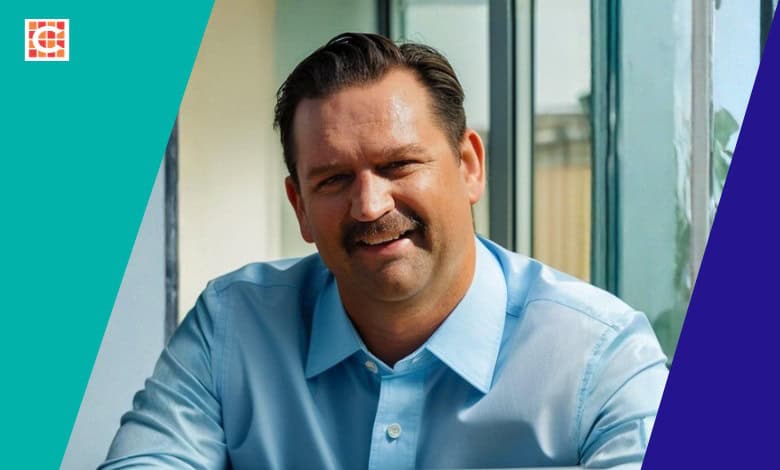
Many men believe admitting they’re struggling, expressing vulnerability or asking for help can feel like a sign of weakness. However, as The Men’s Foundation founder and CEO, Garron Gsell, explains, it is time to change that narrative. “Through the Men’s Foundation and Brovember, we encourage men to start these conversations and look out for one another,” says Gsell.
Challenging outdated expectations
When boys repeatedly hear that showing sadness, fear or uncertainty is unacceptable, they can learn to hide their feelings to avoid judgment or rejection. As adults, they may struggle to recognise their emotions, express themselves or seek support.
Society often expects men to provide, protect and keep everything together. While these responsibilities can be important, the pressure to always appear in control can take a toll on mental well-being.
Men who measure their worth by their ability to provide financially may face difficulties at work, financial stress or relationship problems that can feel like personal failures.
Gsell believes it’s important to remember that a man’s value extends beyond his income.
“Being present, caring and willing to work through difficulties matters enormously,” he says.
Fear of being judged, appearing incapable or becoming a burden can also prevent men from seeking help. For others, the obstacles are more practical, including the cost of treatment, limited access to services, or not knowing where to begin.
Keeping emotions bottled up doesn’t make difficult feelings disappear. Without support, distress can continue and potentially get worse.
Recognising warning signs
Gsell says friends and family should watch for changes in a man’s usual behaviour, including withdrawal from others, persistent irritability, disrupted sleep, losing interest in things he once enjoyed, increased drinking, or struggling to manage everyday responsibilities.
These changes deserve a conversation and may warrant professional assessment.
Statements such as ‘everyone would be better off without me’, talking about wanting to die or giving away valued possessions should be taken particularly seriously and require urgent attention.
Changing the narrative around masculinity starts with making it OK to be honest.
Fathers, friends, coaches and workplace leaders can help by showing that it’s perfectly acceptable to admit when life feels difficult and that asking for help takes courage.
Starting the conversation
If you’re worried about someone, Gsell suggests choosing a quiet moment and starting with something specific, such as: “You seem withdrawn lately, and I’m concerned about you. How are you coping?”
Listen without judgment, avoid rushing to fix everything and offer practical support. This could mean helping them find a healthcare professional, making an appointment together or checking in again a few days later.
If you’re concerned that someone may be considering suicide, ask directly: “Are you thinking about suicide?” Asking does not put the idea in someone’s head. If they’re in immediate danger, stay with them if it’s safe and seek emergency medical assistance.
For men who are struggling but don’t know where to turn, Gsell suggests starting with one honest sentence to someone they trust: “I’m struggling, and I need some support.”
A GP can assess their situation and help arrange appropriate care. Local public clinics can also provide mental health assessments and referrals, while the South African Depression and Anxiety Group (Sadag) offers mental health information and support.
Gsell’s message he most wants men to hear is a simple but important one: “You matter, even when you cannot provide, solve every problem or hold everything together. You deserve support for your own sake. You do not have to earn it by reaching a breaking point,” says Gsell.
Where to find help:
- Sadag Suicide Crisis Line: 0800 567 567
- Men can also ask their local public clinic about mental health assessment and referral services.
- If you cannot keep yourself safe, seek emergency medical assistance immediately
Breaking news at your fingertips… Follow Caxton Network News on Facebook and join our WhatsApp channel.
Nuus wat saakmaak. Volg Caxton Netwerk-nuus op Facebook en sluit aan by ons WhatsApp-kanaal.