
Call for police to do more to ensure the safety of sex workers
The police and other departments were urged by the sex industry to consider their failings, attitudes, and harms to the workers' safety and dignity.
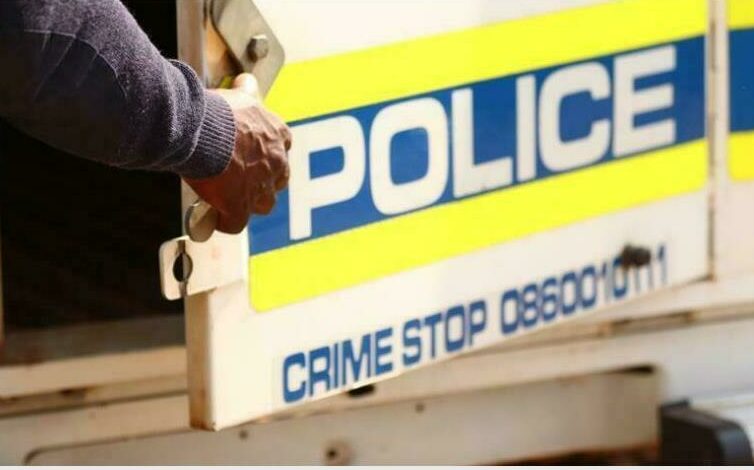
Police must help sex workers and take them seriously instead of brushing their concerns under the carpet when they open cases, if they even bother to do so.
That’s the plea from those who were advocating for the rights of sex workers during the third annual Sex Worker Symposium, which outlined the challenges faced by sex workers and was hosted at Pietermaritzburg City Hall on Friday.
Yonela Sinqu, who spoke of the challenges faced by sex workers, called for better conditions for them.
“The government works hand in glove with the sex work sector to help sex workers. Sex workers are stigmatised and are called derogatory terms in communities.
“The government has formulated a programme to raise awareness in 11 districts in the province because there was not enough awareness being raised,” said Sinqu.
She also called for the police to help sex workers.
“Sex workers are vulnerable to criminal activities such as robbery, rape, and murder, and we want those cases to be taken seriously.
“We are also looking at structures that must educate people about crime prevention. When we are talking about crime prevention, sex workers must be there because sex workers are the ones who are being violated by criminals,” she said.
Sinqu also proposed that the Department of Social Development help sex workers fight drug abuse.
She added that there are a number of people engaging in underage sex work.
“The legal age for sex work is 18. If you are younger than that, you have no business doing sex work or even calling yourself a sex worker,” said Sinqu. She also called for better working conditions.
“Sex workers are exposed to unhygienic working conditions, hence the high prevalence of STIs in a lot of our members. We are also catching diseases such as TB because we are working in such dirty conditions, and we are afraid to come to the clinic for treatment as we are subjected to stigma and discrimination,” said Sinqu.
Sinqu added that the programmes that were promised have not materialised.
Themba Mthembu, the deputy speaker of the KwaZulu-Natal Provincial Legislature, told the delegates at the symposium that the legislature has created platforms to engage with various sectors of society with the aim of identifying issues that affect them.
“As we know, the sex work sector is regarded as one of the most vulnerable sectors in society, and it faces many challenges.”
Mthembu added that there were 288 000 sex workers in South Africa in 2021.
The Department of Social Development spokesperson, Renita Veerasamy, said the department has programmes aimed at sex workers.
“The department targets TB and STIs in the national strategic plan of 2023. The attitudes and perceptions of the general community toward sex work tend to be barriers for sex workers to access services. The department is in the process of sensitising officials who are not familiar with the plight of sex workers. This would create an enabling environment whereby sex workers could access facilities,” she said.
KZN SAPS spokesperson, Sergeant Sfiso Gwala, said that the police are always available to help people.
“All citizens are protected by SAPS, regardless of the status of the person, but if you act against the law, you get arrested and charged accordingly, and, after investigation, the docket is sent to court,” said Gwala.
“While the police are doing their work, they should not infringe on the rights of any person arrested,” said Gwala.
Read original story on www.citizen.co.za

