
Claim rejected! What insurers can use against you after an accident
Insurers are increasingly rejecting accident claims based on witness accounts, medical notes and other evidence that point to intoxicated driving long before any blood test enters the picture.
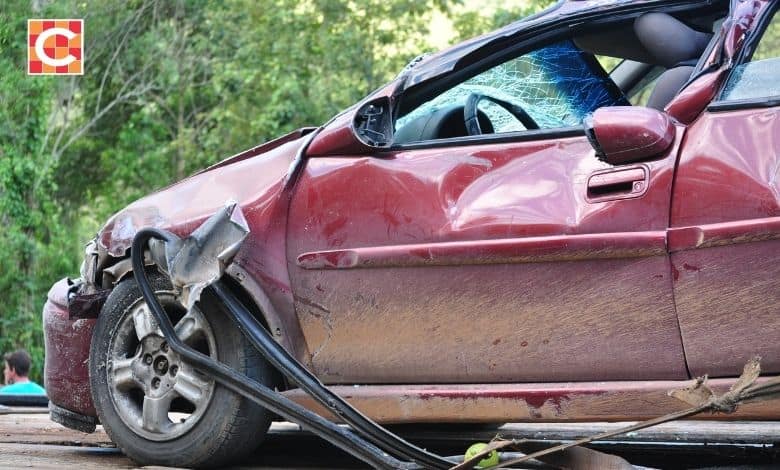
Party season is here, but don’t let it end in disaster. Driving under the influence could wreck your future and your finances. This holiday, the biggest hangover isn’t alcohol; it’s losing your insurance cover.
According to the Non-life Insurance Division of the National Financial Ombud Scheme (NFO), there has been a surge in complaints this year involving motor accident claims being rejected after drivers were found to be under the influence of alcohol or another intoxicating substance.
The biggest misconception among complainants is that insurers only rely on blood, alcohol or breathalyser tests to reject a claim, says Edite Teixeira-Mckinon, lead ombud of the Non-life Insurance Division of the NFO.
She explains that a claim against an insurer is a civil matter, meaning the insurer only needs to show, on a balance of probabilities, that the insured drove the vehicle under the influence of an intoxicating substance. This means that the insurer has a lighter burden of proof than the state in criminal matters and may rely on other evidence to reject a claim on this basis.
What constitutes other evidence differs from case to case. Some examples of the evidence that the Non-life Insurance Division has considered include:
- Evidence of witnesses at the accident scene describing the driver’s appearance and conduct, which are consistent with that of someone who is under the influence of an intoxicating substance.
- The driver’s whereabouts before the accident, for example, at a shebeen, pub, party, braai, etc, where alcohol was consumed.
- The vehicle’s tracking data and cellphone records, disputing the driver’s version regarding their whereabouts before the accident.
- Bank statements confirming that the driver purchased alcohol before the accident.
- Video footage of the driver consuming an intoxicating substance before the accident.
- Evidence of paramedics and doctors who attended to the driver after the accident.
- The driver unlawfully left the scene of the accident.
- The time and day of the accident.
- The way the accident took place.
- The driver’s own evidence regarding the amount of alcohol consumed before the accident.
Interesting case
In a recent matter dealt with by the Non-life Insurance Division, the complainant disputed the insurer’s rejection of a claim for accident damage to his vehicle because his son, being the incident driver, was under the influence of alcohol.
The driver’s version of the incident was that the accident took place shortly after 01:00 when, while trying to overtake a third party, the third party moved into his lane, causing him to collide with the third party and lose control of the vehicle.
During the investigation of the claim, the driver said that on the day of the accident, he met a friend at the shooting range. After their shooting practice, they each consumed a draught beer. Thereafter, the complainant’s son fetched his girlfriend from work, and they went to a café where they had a pizza and a milkshake. When leaving the café, at about 01:00, the complainant’s son was involved in an altercation with the car guards during which he was stabbed.
To reject the claim, the insurer relied on the tow truck driver’s evidence, which stated that the driver was severely under the influence of alcohol. In addition, the insurer obtained the son’s medical reports, which included notes compiled by the doctor who first treated him when he arrived at the hospital in an ambulance.
The doctor noted that the complainant’s son seemed agitated but oriented and under ‘EtOH influence’ – EtOH is the chemical abbreviation for ethanol, the type of alcohol found in alcoholic beverages. The doctor told the insurer’s investigator that the complainant’s son was clinically intoxicated, and he reeked of alcohol.
The complainant disputed the doctor’s evidence, stating that his son used hand sanitiser and consumed brandy after the accident, which would have contributed to the smell of alcohol that the doctor observed.
Knowing the son’s whereabouts before the accident, the way the accident took place, and the attending doctor’s notes, the insurer’s rejection of the claim was upheld on a balance of probabilities by the Non-life Insurance Division.
Evidence carefully analysed
Teixeira-Mckinon says witnesses’ evidence is not always conclusive when proving that an insured driver was under the influence of an intoxicating substance.
In another matter dealt with by the Non-life Insurance Division, there was no evidence of the complainant having consumed alcohol before the accident, which the complainant denied having done.
The accident took place when the complainant failed to stop at a stop sign, and a third party collided with his vehicle. The insurer relied on the evidence of police officers who arrived at the scene of the accident shortly after it took place.
The police officers described the complainant as being ‘tipsy’, and his eyes were red. However, it was pointed out to the insurer that while the police officers did ascribe the complainant’s behaviour after the accident to him being under the influence of alcohol, the manner in which the questions were posed to the police officials by the insurer’s assessor was ‘leading’ questions, which presupposed and suggested the answers that the police officials provided.
Further, no questions were posed to the police officials about the complainant’s head injuries and whether these could have contributed to his demeanour post the accident.
Teixeira-Mckinon says that after a thorough examination of the evidence presented by both parties, a provisional ruling was issued for the insurer to settle the claim, which the insurer agreed to abide by.
Other risks
“Even in the absence of evidence of an insured driver being under the influence of an intoxicating substance at the time of an accident, insurers often raise other policy exclusions to reject claims where it is suspected that the insured driver was under the influence of an intoxicating substance.
“Some policies exclude coverage where the insured unlawfully leaves the accident scene, which can hinder an insurer’s validation of the claim and lead to a possible rejection of the claim on this ground,” Teixeira-Mckinon says.
Another common reason insurers reject accident claims involving suspected intoxication is the insured’s failure to provide accurate and complete information. For example, cellphone records or vehicle tracking data may show the insured at a shebeen or pub, yet the insured either fails to disclose this or misrepresents their whereabouts before the accident.
“The financial implications of a rejected accident claim are not just limited to the insured’s own vehicle damage but extend to the damage caused to a third party.
Teixeira-Mckinon urges consumers to think carefully before drinking and driving.
Breaking news at your fingertips… Follow Caxton Network News on Facebook and join our WhatsApp channel.
Nuus wat saakmaak. Volg Caxton Netwerk-nuus op Facebook en sluit aan by ons WhatsApp-kanaal.
Read original story on www.citizen.co.za

