
Covid-19: Alcohol industry implores government for more effective measures
The alcohol industry is calling on the government to reassess its response to the coronavirus pandemic by implementing more effective measures, including addressing its handling of the vaccine rollout, that will have greater success in curbing the sharp rise in infection rates during the third wave.
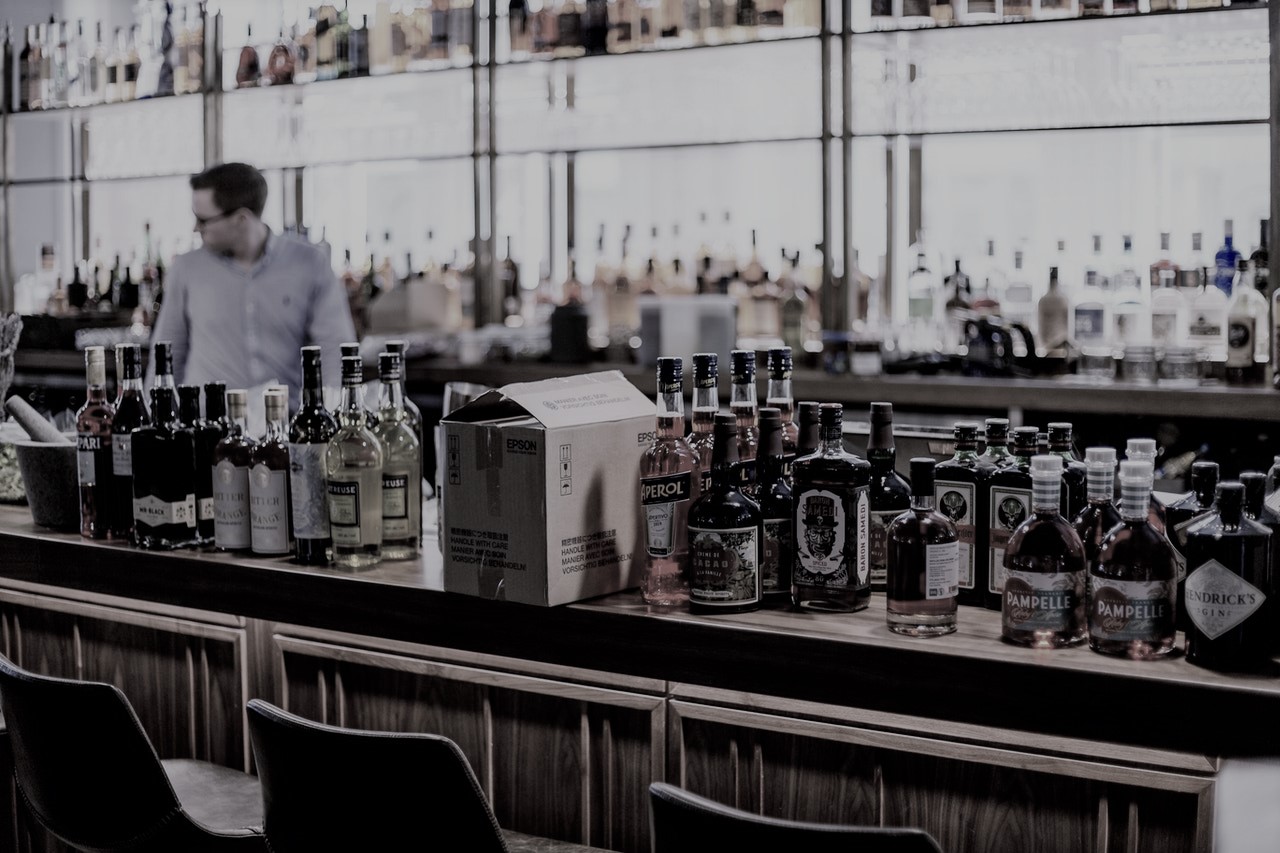
As the country battles the third wave of the coronavirus, and with and the recent announcement by President Cyril Ramaphosa moving the country to adjusted alert level 4, the South African Liquor Brandowners Association (SALBA) calls on the government to re-evaluate its efforts towards preserving economic livelihoods with safeguarding lives by focusing on a more effective and faster vaccination programme.
Inefficiencies in the widespread rollout of the vaccine are directly compromising the business and economic activity of the country. Without implementing a widespread, efficient vaccination programme, there is no possibility of allowing the country to begin the long process of economic recovery. The decision to ban alcohol will place jobs at risk at a time when the government does not have the fiscal resources to provide support for those workers who find themselves unemployed.
The industry strongly questions the government to explain its decision to enforce a complete ban on alcohol sales for 14 days, despite a lack of evidence to demonstrate its role in driving up current infection rates.
SALBA has always contested the assertion that alcohol consumption drives up infection rates, particularly when home consumption purchases have no greater risk than grocery shopping.
According to SALBA, yesterday evening’s announcement will only fuel the growth in the illegal trade of alcohol, which has been proven to increase exponentially when a total ban is imposed. The illicit trade also encourages non-compliance with trading conditions that can lead to irresponsible alcohol consumption and increased health risks.
According to figures from Euromonitor International published in May 2021 entitled Illicit Trade: Alcoholic Drinks in South Africa in 2020, illicit alcohol trade has grown at a compound annual growth rate (CAGR) of 17% since 2017 and now stands at 12% of the R177.2 billion total industry market value and 22% of the market by volume and worth R20.5 billion.
The ban on formal alcohol sales robs the South African Revenue Service (SARS) and the local industry of tax and sales revenue that would be paid in a formal trading environment. In 2020 alone, SARS lost R11.3 billion due to the illicit alcohol trade.
SALBA chairperson, Sibani Mngadi commented, “As an industry, we are deeply concerned by the increased infection rates. We have repeatedly taken our proposals to government, most recently via the NCCC, that would help to minimise infection rates but help to preserve our beleaguered economy, but to no avail.
“We are deeply disturbed by this evening’s decision by the President to ban alcohol sales for 14 days when there is no evidence to suggest alcohol consumption is the driver of the current rise in infection rates. First and foremost, the government should be concentrating on generating greater efficiency in the country’s vaccine rollout to allow for the economy to open up.”
Mngadi added, “The ban is being implemented without any consideration of any form of economic relief for businesses and employees of the industries that are being now restricted. It is an unfortunate situation in the context of a large amount of resources allegedly lost through corrupt relief claims.”
The cumulative impact of the three alcohol bans’ economic impact in 2020, including the five-week ban between 29 December 2020 to 2 February 2021, has already risked at least 200 200 jobs supported by the alcohol value chain, equivalent to 1.22% of national jobs in the formal and informal sectors.
The bans have amounted to a tax revenue loss (excluding excise) to the government fiscus of R29.3 billion (equivalent to 2.3% of tax revenue), and direct excise tax revenue lost across the nation was R8.7 billion (equal to 21.2% of excise revenue).
Sales revenue lost as a result of the bans was approximately R36.3 billion. Additionally, the country’s GDP loss was approximately R51.9 billion—1.0% of the total GDP measured at market prices due to the three bans.
Alcohol industry’s submission to the NCCC to contain the spread of infection
The alcohol industry put forward the following submission to the National Coronavirus Command Council (NCCC):
- Gatherings
The industry supports the prohibition of all gatherings. There is sufficient evidence that large gatherings contribute significantly to the rapid increase of infections
- Work from home
The industry supports the call for employers to implement a work from home principle wherever it is possible. We will be encouraging all players within our value-chain – who collectively support one million jobs – to implement the work from measures as much as it is possible.
- Sale of alcohol
The total ban of alcohol sales in Gauteng will encourage further growth of illicit trade, which has grown from 12% to 22% of the overall alcohol market by volume. A total ban of sales in Gauteng will further encourage inter-provincial travel to the surrounding provinces (Free State, Limpopo, Mpumalanga and North-West) at the time when this should be kept to a minimum.
The alcohol industry therefore proposes the following approach:
- Off consumption – sales for home consumption be kept at the current restriction level of Monday to Thursday, 10:00 to 18:00. This will allow for limited access to safe purchase of alcoholic beverages and limit the risk of illegal alcohol trade which escalate during periods of total ban of sales.
- On consumption
- On-consumption alcohol premises (taverns) be allowed to sell alcohol for off consumption during this period of the third wave.
- Food businesses that sell alcohol (restaurants) be allowed to serve alcohol subject to a strict curfew, limit to the number of patrons allowed per outlet and enforcement of health protocols.
- Registered micro alcohol producers (wineries micro-breweries and micro distilleries) should continue to operate as per the current level 3 restrictions.
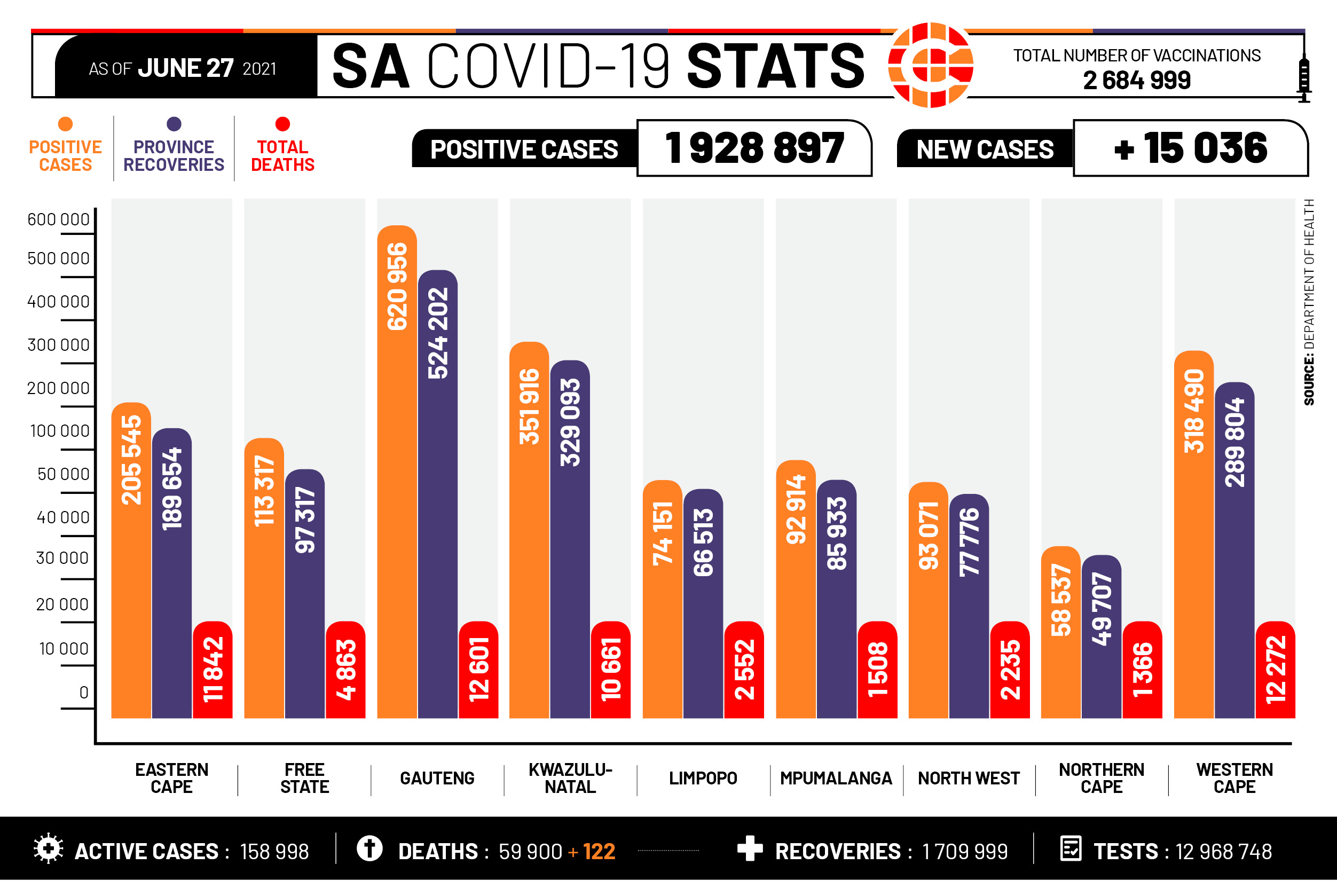
*Notice: Coronavirus reporting at Caxton Local Media aims to combat fake news
Dear reader,
As your local news provider, we have the duty of keeping you factually informed on Covid-19 developments. As you may have noticed, mis- and disinformation (also known as “fake news”) is circulating online. Caxton Local Media is determined to filter through the masses of information doing the rounds and to separate truth from untruth in order to keep you adequately informed. Local newsrooms follow a strict pre-publication fact-checking protocol. A national task team has been established to assist in bringing you credible news reports on Covid-19. Readers with any comments or queries may contact National Group Editor Irma Green (irma@caxton.co.za) or Legal Adviser Helene Eloff (helene@caxton.co.za).
Read original story on krugersdorpnews.co.za

