
D-Day for tax returns: how Covid-19 clipped Sars’ wings
Despite interventions by Sars such as auto-assessments and mobile branches, the revenue agency was likely to struggle to reach full compliance from personal income taxpayers this year.
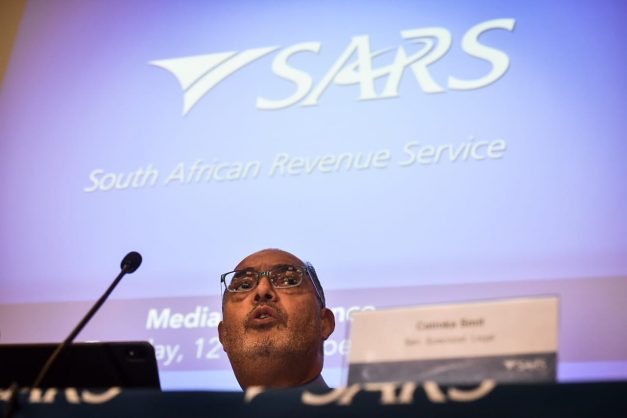
The Covid-19 pandemic will have a dire effect on South Africa’s underfunded R1.95-trillion budget, as revenue collection is set to see a huge dip for the current and next collection seasons, The Citizen reports.
This as the due date arrived on Monday for e-filing South African Revenue Service (Sars) customers.
According to tax expert and group chief executive officer (CEO) of Btmt Capital Busisiwe Mdletshe, personal income taxpayers faced restricted movement and access to branches this year.
The shortened collection season also meant many of those who had yet to resolve issues with their submissions would fail to submit their returns, resulting in significant losses for the revenue collector, she said.
“The challenge could be where those who submit tax returns have to top up from their own pocket. With the reduced income of people generally this year, you will find that some people don’t have money, so Sars might see themselves having debt they are unable to collect,” said Mdletshe.
The shortened collection period would also see failure to comply in those who did not have access to computers and the internet to do their taxes from home.
This was because many workers relied on access to these technologies at their place of work and did not necessarily enjoy the same amenities at home.
Despite auto-assessments and the setting up of mobile branches, the revenue service was likely to struggle to reach full compliance from personal income taxpayers this year.
“What they have also done was what they called auto-assessment looking at the trends on how much one has been submitting in previous years. This is for people who have one source of income. Now they say once you have had that auto-assessment, you have the option of accepting it as correct or you must decline. There wasn’t much tax education that was done around that so people are still confused on what to do when they get an auto-assessment,” said Mdletshe.
While these people may opt to go to a branch, limited capacity in branches as a result of Covid-19 restrictions would affect the number of people submitting their tax returns, she explained.
But this was nothing compared to the losses expected in the 2021 tax season. Early indicators showed revenue collection numbers could be far lower than this year. This would see South Africa’s R700 billion budget deficit widen even further, at a time when government was instituting desperate austerity measures.
Value-added tax (VAT) income would also significantly dip for the 2020-2021 collection season as a result of businesses shutting down operations temporarily and permanently this year.
According to the Department of Labour, the Unemployment Insurance Fund (UIF) paid out claims to over 4.7 million workers, a glimpse into the dent made by the Covid-19 pandemic on personal income tax revenue.
Sars received notice of over 200 000 retrenchment packages, Mdletshe pointed out, suggesting a heavily reduced Pay As You Earn (PAYE) collection next year as well. Now, more than ever, tax revenue compliance and enforcement would be central to plugging as many holes as possible on the fiscus in the aftermath of the Covid-19 pandemic.
“So how are we going to cover that while we are having this issue on personal income tax? I think then it becomes Sars’ responsibility to ensure that those who are not in the system. In other words, for those who are evading, they must make sure that they pull them into the system so that they are compliant,” she concluded.
For more information, visit the official SARS website by clicking here.
Notice: Coronavirus reporting at Caxton Local Media aims to combat fake news
Dear reader,
As your local news provider, we have the duty of keeping you factually informed on Covid-19 developments. As you may have noticed, mis- and disinformation (also known as “fake news”) is circulating online. Caxton Local Media is determined to filter through the masses of information doing the rounds and to separate truth from untruth in order to keep you adequately informed. Local newsrooms follow a strict pre-publication fact-checking protocol. A national task team has been established to assist in bringing you credible news reports on Covid-19.
Readers with any comments or queries may contact National Group Editor Irma Green (irma@caxton.co.za) or Legal Adviser Helene Eloff (helene@caxton.co.za).
Read original story on citizen.co.za

