
Domestic workers: What they earn vs what they deserve – report
A new report highlights the grim challenges faced by household workers in South Africa and encourages employers to be the change in the industry.
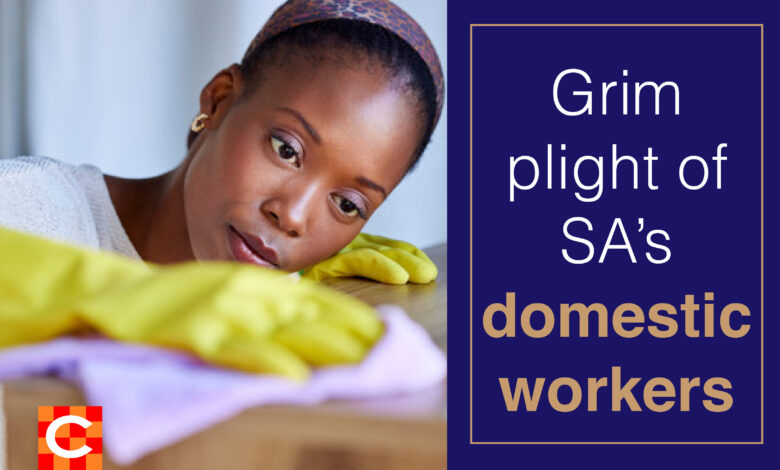
They clean, often cook and, in most cases, bring a joyful mood and big smile to many households – but at what cost?
Domestic workers in South Africa are the focus of SweepSouth’s sixth annual report on pay and working conditions.
In the latest report, 5 500 – mostly female (94%) – domestic workers across the country answered questions designed to give insights into their daily struggles.
“First published in 2018, we have shown the progress in domestic worker pay and conditions leading up to the global Covid-19 pandemic, and the subsequent regression as the pandemic spiralled and lockdown restrictions were implemented,” says SweepSouth MD Luke Kannemeyer.
He says that the recovery shown in the 2021 report was ‘snuffed out’ in 2022’s edition and attributes this to ‘rising inflation and economic turmoil triggering social upheaval across the world’.
Latest report
Kannemeyer explains that this year’s report found that food is the biggest expenditure for domestic workers (up by 12% since last year) and that most ‘sacrifice basic needs as costs outstrip earnings’.
“Primarily driven by the electricity crisis, vegetables, wheat and corn-based products, and plant-based oils (such as vegetable oil) increased the most. These items make up a disproportionate portion of food in low-income households.”
As a result, domestic workers – who generally have no savings – take out loans to survive. However, on a positive note, the 2023 report indicates that the number of respondents with debt decreased by 4%.
Of concern is that 28% of respondents lost their jobs in 2023, compared to 25% in 2022. “Around one in four lost their job due to affordability, similar to 2022. However, employers moving home increased considerably (2023: 40%, 2022: 25%), with the majority moving overseas (59%),” the report states.
Respondents who lost their jobs believe that load-shedding contributed to their dismissals, while an alarming 40% think they were not dismissed for a valid reason.
An excerpt of the report states:
“Many workers have multiple employers, and almost half have lost one or more of their employers due to load-shedding (35% definitely, 12% maybe). Over half of the respondents report feeling less safe travelling to and from work due to increased crime rates, inadequate lighting and darkness due to blackouts, mobile networks failing, as well as needing to leave for work earlier due to increased congestion from traffic lights not working and getting home later due to their work day increasing because of having to wait for power to return to use appliances.”
Be the change
Kannemeyer says he hopes the report will inspire change in the industry. SweepSouth encourages readers of the report to share its insights with their neighbourhood via local social media messaging groups.
The report (the full one can be read here) also mentions six ways you can help bring about change:
- Pay your domestic worker a living wage (Calculate it on living-wage.co.za).
- Treat your domestic worker with respect and dignity.
- Comply with relevant labour laws.
- Be sensitive to the impact of load-shedding on your domestic worker’s ability to work, and increased commute times.
- Buying food is more expensive for your domestic worker due to several factors (inability to buy in bulk, transport, lack of refrigeration, etc). Therefore, where possible, sharing your extra groceries goes a long way.
Read original story on www.citizen.co.za

