
Donkey skin trade puts South Africa’s working animals at risk
Welfare groups have flagged cross-border demand for gelatine as rural families lose working animals to theft and slaughter.
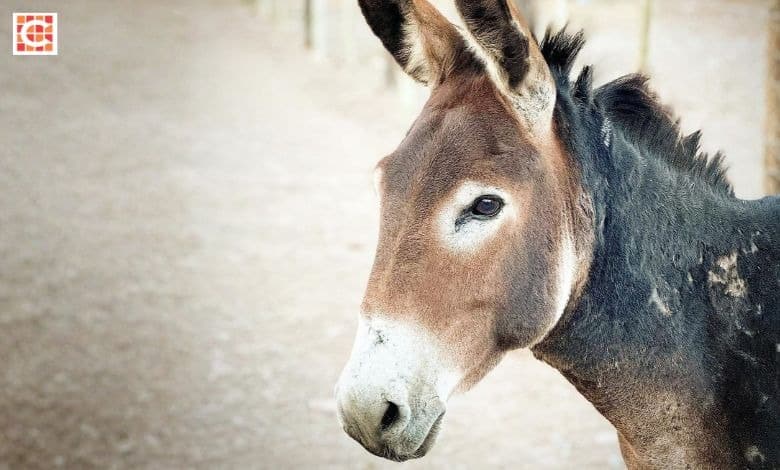
Millions of donkeys are being slaughtered every year for their skins to feed a lucrative international Chinese medicine trade, with South Africa ranking among the world’s top 10 exporters.
This is according to research by a UK-based organisation, The Donkey Sanctuary, which also estimates that at least 5.9 million donkeys are slaughtered worldwide every year.
Other countries among the top 10 exporters include Mexico, Panama, Venezuela, Brazil, Colombia, Uruguay, Peru, Nigeria and Kyrgyzstan, with the skins exported to China, Thailand, Hong Kong and Vietnam.
Jonno Sherwin, the founder of the Karoo Donkey Sanctuary in the Western Cape, explains that demand is driven by China’s ejiao industry, which uses gelatine extracted from donkey hides for Chinese medicine.
Government transparency and enforcement
Sherwin added that, in the organisation’s view, the South African government should implement the African Union’s moratorium on slaughtering donkeys for their skins, introduced at the African Union summit in 2024.
“We also submitted a formal request under the Promotion of Access to Information Act for government records on authorised donkey slaughter. We have been passed from one department to another. To date, government has provided none of the information we requested,” he said.
Sherwin believes that co-ordinated investigations between SAPS stock theft units, state veterinarians and animal welfare inspectors are needed to address the issue.
“People who report suspected illegal slaughter should know who is handling the case and how to follow up.”
Advert for salted skins
In October, the National Council of SPCAs (NSPCA) took action against a Johannesburg business which posted an advert requesting salted donkey skins for export.
According to the NSPCA, an inspector traced the business and met one of its directors, who confirmed they were sourcing donkey skins to export to East Asia.
He found no donkeys or skins on the property, but issued the company a warning and reported the matter to the Gauteng Department of Agriculture and Rural Development.
“The trade is linked to donkey theft and to illegal, inhumane slaughter. The donkeys suffer, and so do the communities that depend on them for their livelihoods,” said the organisation.
Cruelty cases
Sherwin added that this week alone, they reported a case in the Northern Cape to the Kuruman SAPS.
“We have established where the slaughter took place and identified the person we believe was responsible. We also met ‘Streepies’, who was found in agony near Dibeng with a severely infected castration wound, purportedly inflicted by glass from a cut-off bottle neck.
“Local welfare volunteers moved him to safety, and he’s responding well to antibiotics and pain relief. His case shows what it means to have people nearby who can act quickly.”
He explains that in April, the NSPCA reported finding nearly 180 donkeys in distress during an inspection at the Brievo equine abattoir near Schweizer-Reneke in the North West.
“Many were in such poor condition they could barely stand or were unable to stand.”
To effectively address the issue, Sherwin said they need reliable national figures to say whether theft, illegal slaughter or abandonment is increasing, and to see what happens after cases are reported.
Impact on families
The trade also affects families that depend on a donkey to fetch water, carry food or move goods, as theft can upend daily life overnight.
“The water still has to be fetched the next morning. Someone has to carry it, or the family has to pay for transport it may scarcely be able to afford. That burden often falls on women and children.”
The Department of Agriculture was approached for comment. It will be added once it is received.
Breaking news at your fingertips… Follow Caxton Network News on Facebook and join our WhatsApp channel.
Nuus wat saakmaak. Volg Caxton Netwerk-nuus op Facebook en sluit aan by ons WhatsApp-kanaal.
Read original story on www.citizen.co.za

