
Drones map PSHB at Joburg Zoo
City Parks has partnered with the Forestry, Agriculture and Biotechnology Institute and Wits University to use advanced remote aerial drone technology to detect the extent.
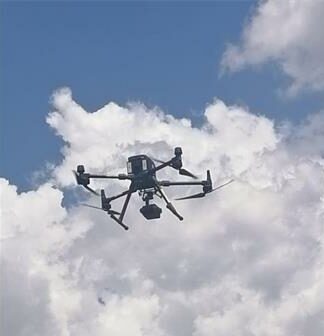
Johannesburg City Parks and Zoo used drone technology to detect and assess the extent of polyphagous shot hole borer (PSHB) infestation at the Johannesburg Zoo.
City Parks has partnered with the Forestry, Agriculture and Biotechnology Institute and Wits University to use advanced remote aerial drone technology to detect the extent of PSHB in a sample area on February 9.
A spokesperson for City Parks Jenny Moodley said the research was looking at how drone technology in urban forestry could be used to identify and monitor diseases. This could assist municipalities in allocating the required resources to closely monitor and track seasonal developments and impacts, and put in place targeted programmes to tackle diseases affecting the city’s tree canopy.
Moodley said the project hoped to determine the impact of the infestation on the city’s trees and develop management strategies in line with City Park’s operating environment.

The initial project on February 9 looked exclusively at the zoo’s tree canopy.
Moodley said all considerations were taken to ensure that all animals were not affected by the drones.
According to Moodley, the mapping of PSHB across the city is currently being done manually, with blitz operations to remove and solarise dead trees.
“The recent rains have affected some of the scheduled plans and the programme will take precedence during City Park’s off-peak season.”
Moodley said all plane trees, box elders and Chinese maples have been affected by the infestation across the city.
She added that the current method for dealing with infested trees was to observe the trees, as no viable treatment was in place to eradicate the pest at this stage.
“There have been some chemicals touted as a solution and City Park’s remains concerned of the secondary impacts on bees and soils that this may have.”
She said City Park’s was committed to protecting the city’s valuable tree canopy and would only remove dead infested trees that have no possibility of recovering.
More information will be shared with Joburg residents when the study was complete and the report was handed to City Parks.
ALSO READ:
Joburg Zoo in the process of mapping trees infested by PSHB #ProtectOurTrees
Tree propagation plan in place to counter the effect of PSHB
Read original story on rosebankkillarneygazette.co.za

