
First-ever malaria vaccine is approved by WHO
The approval of a vaccine is a historic development in the fight against malaria, but a local expert says it is not likely it will be used in South Africa.
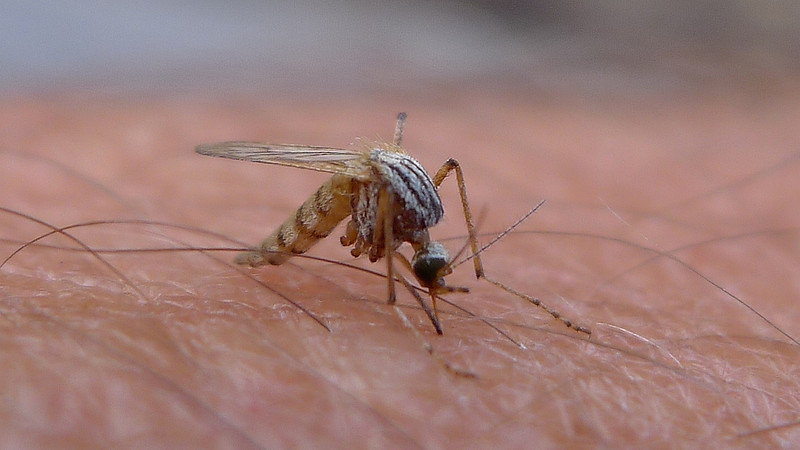
On Wednesday (October 6), the World Health Organisation (WHO) published its recommendation for the use of the RTS,S/AS01 (RTS,S) malaria vaccine among children in sub-Saharan Africa.
The vaccine acts against Plasmodium falciparum, the deadliest malaria parasite and the most common in Africa.
“This is a historic moment. The long-awaited malaria vaccine for children is a breakthrough for science, child health and malaria control,” says WHO director-general Dr Tedros Adhanom Ghebreyesus.
“Using this vaccine on top of existing tools to prevent malaria could save tens of thousands of young lives each year.”
I started my career as a #malaria researcher, and I longed for the day that we would have an effective vaccine against this ancient and terrible disease. Today is that day: @WHO is recommending the broad use of the world’s first malaria vaccine. #EndMalaria https://t.co/Oh1O155tYj
— Tedros Adhanom Ghebreyesus (@DrTedros) October 6, 2021
The vaccine has been in development for many years and has been in testing phases in Ghana, Kenya, and Malawi since 2019, with over 2.3 million doses administered.
Dr Matshidiso Moeti, WHO regional director for Africa, welcomed the news and the prospects it holds for the future of Africa.
Moving forward, @WHO will support national authorities to fast track the regulatory approvals to introduce this vaccine.
This is also an excellent opportunity to explore production on the continent of a vaccine that will benefit generations of Africans.
— Dr Matshidiso Moeti (@MoetiTshidi) October 6, 2021
NICD and malaria
However, while Prof John Frean of the National Institute for Communicable Diseases (NICD) says the vaccine is a great step forward for malaria endemic areas, it will not be used domestically.
“South Africa is a low-risk country, so a vaccine like this won’t be marketed here,” he says.
He adds that the WHO approval is ‘definitely a major milestone in vaccine development’. “Anything that can help keep children safe from malaria is a great step.
“The vaccine is one component in the army of strategies and preventative measures used to fight malaria.”
The NICD recorded 12 000 cases of malaria and 63 deaths in South Africa in 2019, while the Centres for Disease Control and Prevention estimates that in Kenya, there are an estimated 3.5m new clinical cases and 10 700 deaths each year.
South Africa malaria risk map
South Africa has low-to-moderate risk areas of malaria, which are dependent on seasons and are confined to parts of the country. Moderate risk areas include the majority of Kruger National Park, in the north eastern part of the country. Below is a map of risk areas where malaria is found in South Africa.
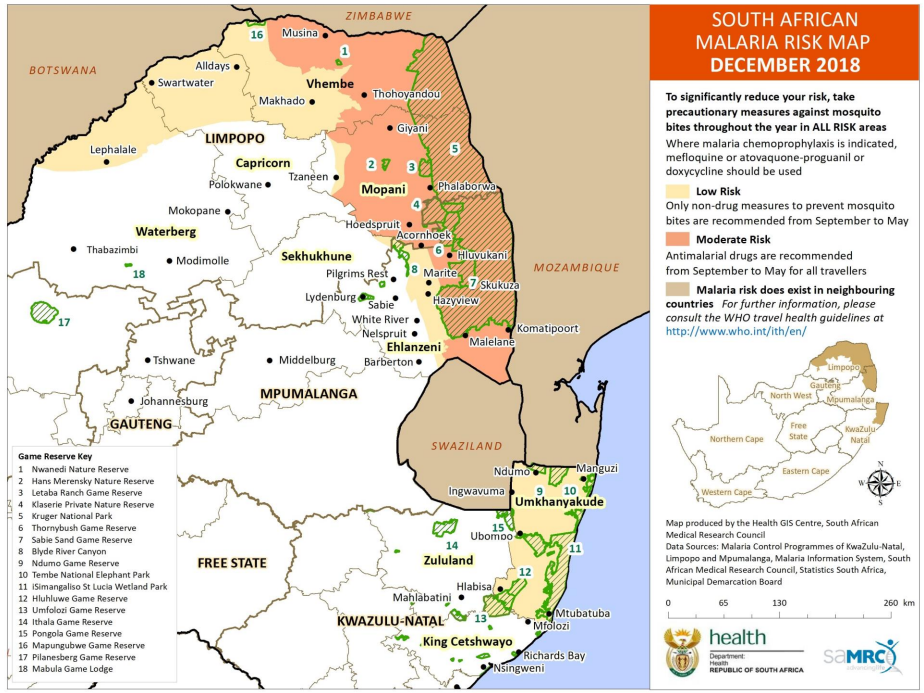
If travelling to a moderate-risk area, the NICD recommends that people take anti-malarial medication, especially between September and May.
Furthermore, travellers returning from malaria transmission areas, including low-risk ones, should report any flu-like illness (headache, fever, chills, fatigue, muscle and joint pain) that may occur up to three weeks after the first potential exposure.
Read original story on africanreporter.co.za

