
Floods in the Eastern Cape and heat elsewhere: What’s up with SA’s weather?
A developing El Niño could bring hotter, drier conditions, while heavy rain and flooding remain possible in some areas.
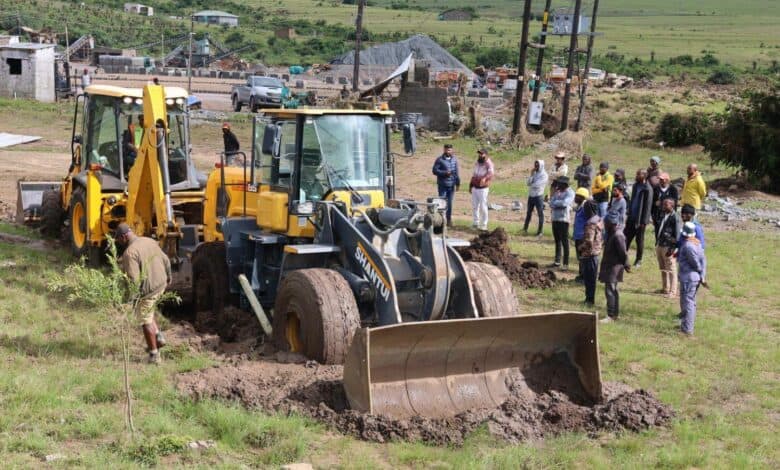
South Africa is experiencing contrasting weather conditions, with some provinces battling heavy rains and flooding while others face extreme heat and veld fires.
As the Eastern Cape begins mop-up operations after yesterday’s (October 27) flooding, a meteorologist explains the weather patterns driving these differences across the country.
Heavy rains caused flooding in the OR Tambo District Municipality, with Mqanduli, a town in the King Sabata Dalindyebo Local Municipality, among the hardest-hit areas.
Other affected areas include Buntingville and Ngqeleni, Green Farms in the Port St Johns Local Municipality and several communities around Qumbu and Tsolo in the Kumkani Mhlontlo Local Municipality.
Rising rivers trap boys on riverbank
The Citizen reported that four boys who were reportedly fishing in Mqanduli were rescued when rising river levels cut off their escape routes, leaving them stranded on a riverbank.
In a statement, the municipality said disaster management teams have been deployed to assess the damage, identify affected households and determine communities’ immediate needs.
“The assessment process is ongoing and the municipality will provide a comprehensive update on the extent of the damage as well as the necessary interventions once the information has been consolidated.”
The municipality has urged the community to remain vigilant and avoid crossing flooded rivers and low-lying bridges.
Contrasting weather patterns
Annette Botha, a meteorologist and founder of Weather Vox, said contrasting weather patterns (some provinces experiencing heavy rain while others experience extreme heat) are not unusual for South Africa.
“These conditions may seem like complete opposites, especially during spring when we transition into our summer rainfall season,” explained Botha.
“South Africa is a country of weather extremes, and it’s quite possible to experience heavy rainfall and flooding in one province while another battles extreme heat, strong winds and dangerous fire conditions.”
She said what concerns her is the intensity of these events and their significant impact on communities, infrastructure and agriculture.
“The recent heavy rainfall across the Eastern Cape and KZN has been driven by a combination of weather systems, including a surface trough, an upper-air trough and a high-pressure system that helps transport moisture from the Indian Ocean onto the eastern parts of the country.
“These systems create favourable conditions for widespread showers, thunderstorms and heavy downpours,” added Botha.
She said other parts of the country remain much hotter and drier.
“When high temperatures combine with dry vegetation, low humidity and strong winds, the risk of rapidly spreading veld fires increases significantly,” added Botha.
“Essentially, different parts of the country are experiencing very different atmospheric conditions at the same time.”
El Niño increases summer heatwave and fire risks
She said looking ahead, there is growing concern about the hotter and potentially drier conditions expected across much of South Africa this summer.
“The developing El Niño event is particularly important, as it generally increases the likelihood of below-average rainfall and above-average temperatures across our summer rainfall regions.
“The latest seasonal outlooks favour warmer and drier-than-normal conditions across much of the country. This could increase the risk of prolonged heatwaves, water shortages and veld fires as we move further into summer,” explained Botha.
She said a drier-than-normal season did not mean the country would not experience heavy rainfall.
“Intense thunderstorms and localised flooding can still occur, even during a summer with below-average total rainfall,” added Botha.
Prepare for extremes
“Communities should therefore prepare for both extremes: Extreme heat and fire danger on the one hand, and severe thunderstorms and flash flooding on the other.
“My advice is to remain weather-aware, follow official warnings and take early action rather than waiting for dangerous conditions to develop,” she said.
Breaking news at your fingertips… Follow Caxton Network News on Facebook and join our WhatsApp channel.
Nuus wat saakmaak. Volg Caxton Netwerk-nuus op Facebook en sluit aan by ons WhatsApp-kanaal.
Read original story on www.citizen.co.za

