
Holiday depression – what you must know and how to deal with it
Psychologist Elmarie Ungerer explains why the season may not be equally jolly for everyone.
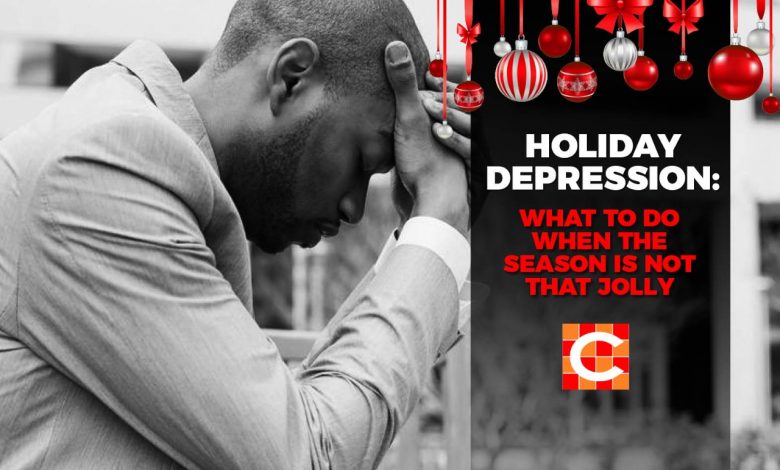
We tend to associate December with celebration, fun, laughter and making special memories. The festive season makes one think of all the good things in life.
The term “holiday depression”, therefore, sounds paradoxical. It describes gloomy feelings such as sadness, loneliness, anxiety and anger that may overwhelm some individuals during Christmastime.
Elmarie Ungerer is a Mbombela-based psychologist who provides Caxton Local Media readers with the ins and outs of the holiday blues. She also gives tips on how to spot it in a loved one and how to deal with it.
Christians traditionally celebrate the birth of Jesus Christ in December. With it comes family gatherings, gifts and increased spending. The overcommercialisation of the season creates the expectation that we are supposed to feel non-stop joy and cheer. Add to this the pressure of increased expenses, having to play host and fearing that your celebrations may not live up to last year’s hoot of a party, and before you know it, your anxiety is through the roof.
According to Ungerer, these are some factors that could contribute to holiday depression. “Exhaustion, being unable to spend time with loved ones, a lack of social support and nostalgia for holidays gone by could also be the cause,” she says. Something as simple as the change in routine that comes with the season could drag you down.
While those with depression are always advised to keep an eye on their moods, doing so is a good idea across the board. “When you feel overwhelmed, a walk in nature or practicing a mindfulness technique will help make you feel grounded.” Psychologist Elmarie Ungerer provides a few more tips on how to remain grounded during this time.
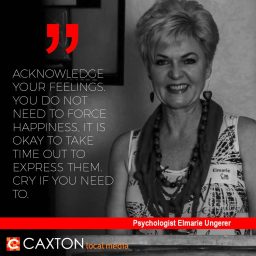
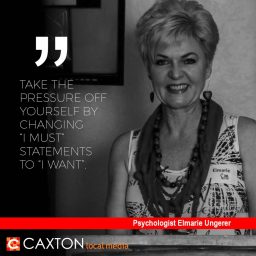


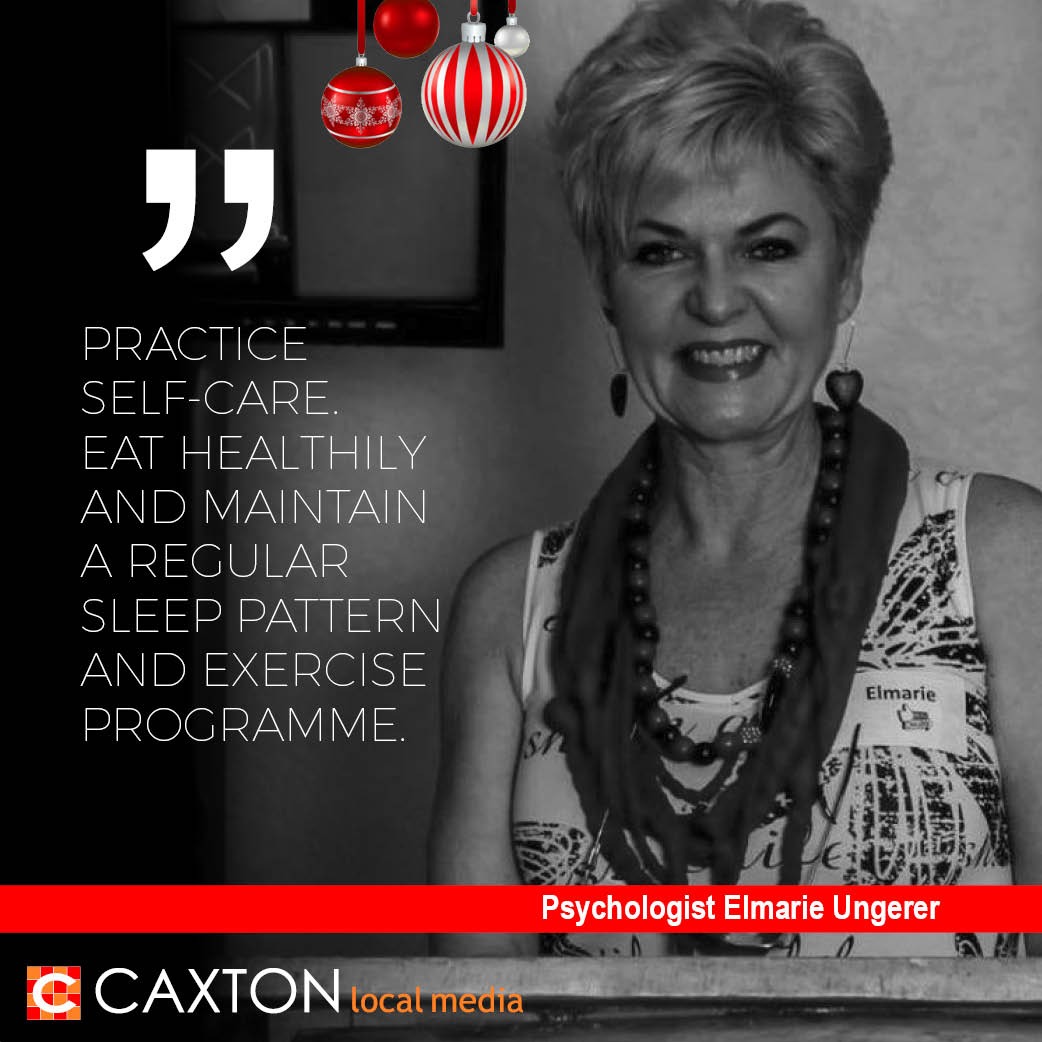
Lastly, she warns that those who need professional help should speak to their doctor or therapist. Joining a support group is also a good idea. In addition to taking care of yourself, it is also advisable to keep an eye on your family and friends, enabling you to spot tell-tale signs of depression. According to Ungerer, these may be unique to every individual. Nonetheless, it could generally include changes in one’s sleeping pattern, energy levels, concentration and memory function. “A depression sufferer may display a lack of energy and drive, or libido, as well as a disinterest in activities they would normally enjoy.” It could also come with social withdrawal. Those who suffer from depression, she says, tend to feel hopeless, may question the meaning of life and could experience suicide ideation.
- What should I do if a loved one gets becomes during this time?
Ungerer offers five tips:
- Listen carefully and give them time to talk. Be patient, stay in touch and do not minimise their feelings.
- Spend time with them. Engage in fun activities, but do not try to “fix” them or give advice.
- Do not expect them to cope fully with their responsibilities. Help them to re-establish their routine gradually, rather than all at once.
- Validate their feelings, rather than telling them to “pull themselves together”. Empathy goes a long way.
- Help them to find the support they need.
Also read: Divorce – the head and the heart of it all
Read original story on lowvelder.co.za

