
Human rights commission probes KZN pit latrine matter
The eThekwini municipality says the major backlog in providing basic sanitation in some areas is a result of financial constraints.
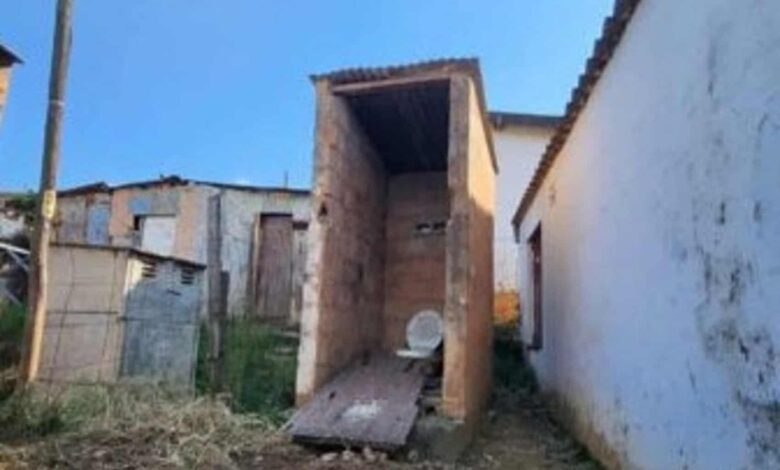
The South African Human Rights Commission (SAHRC) has confirmed its probe into the ‘unsanitary and inhumane’ conditions of a Durban township in KZN that uses pit latrines.
The DA wrote to the SAHRC’s KZN office to intervene after it conducted an oversight visit to KwaMashu two weeks ago and found that the residents had resorted to using buckets to relieve themselves.
“This was as a result of having to contend with overflowing pit latrines that had not been serviced for more than six years.”
DA Inanda, Ntuzuma, and KwaMashu constituency head Marlaine Nair called on the SAHRC to urgently investigate this matter and take action on behalf of these vulnerable residents.
SAHRC
SAHRC’s provincial acting spokesperson Wisani Baloyi says the commission has started the process of registering the complaint from the DA and assessing it in terms of the commission’s complaints handling procedures.
This will include determining whether the SAHRC KZN office has jurisdiction to deal with the matter and the basis thereof, and if so, it will be allocated to an official in the Public Order’s legal unit to propose the way forward in dealing with the complaint.
“This proposal or recommendation will be made in consultation with and under the direction of the provincial manager, after which the complainant will be advised accordingly,” he says.
Baloyi adds that at this stage, the commission is not able to comment on any expected outcomes, as this would be premature and possibly prejudicial to any investigation.
However, the SAHRC did reiterate that the right to proper and safe sanitation is a basic socio economic right that is protected in terms of Section 27 of the Constitution of South Africa of 1996 and should be enjoyed by all.
“While the SA government has taken a number of steps to address challenges with safe sanitation, regretfully, a significant proportion of our communities and our overall population still do not enjoy this basic right, which also impacts on other intrinsic rights such as the right to human dignity, health, and even the right to life.”
“Further, the rights to water and sanitation are closely interlinked, and the lack thereof significantly negatively impacts several aspects of the daily living requirements of affected communities,” he adds.
Baloyi says there is a critical role for the commission, other Chapter Nine institutions, the government, non-governmental organisations and civil society to work together in raising awareness and achieving this basic and very critical human right in the country.
eThekwini Metropolitan Municipality
According to the eThekwini Municipality, the lack of bulk sewer infrastructure and funding constraints have led to a significant backlog in the provision of acceptable sanitation in some areas around the city.
The city proposed a new plan to install on-site sanitation technology, including urine diversion toilets, to replace pit latrines, which were given the green light at a council meeting last month.
Read original story on www.citizen.co.za