
Hunting and export quotas for elephant, black rhino and leopard announced
South Africa is one of many countries that implement a sustainable off-take of elephants, black rhino and leopard, the Department of Forestry, Fisheries and the Environment said.
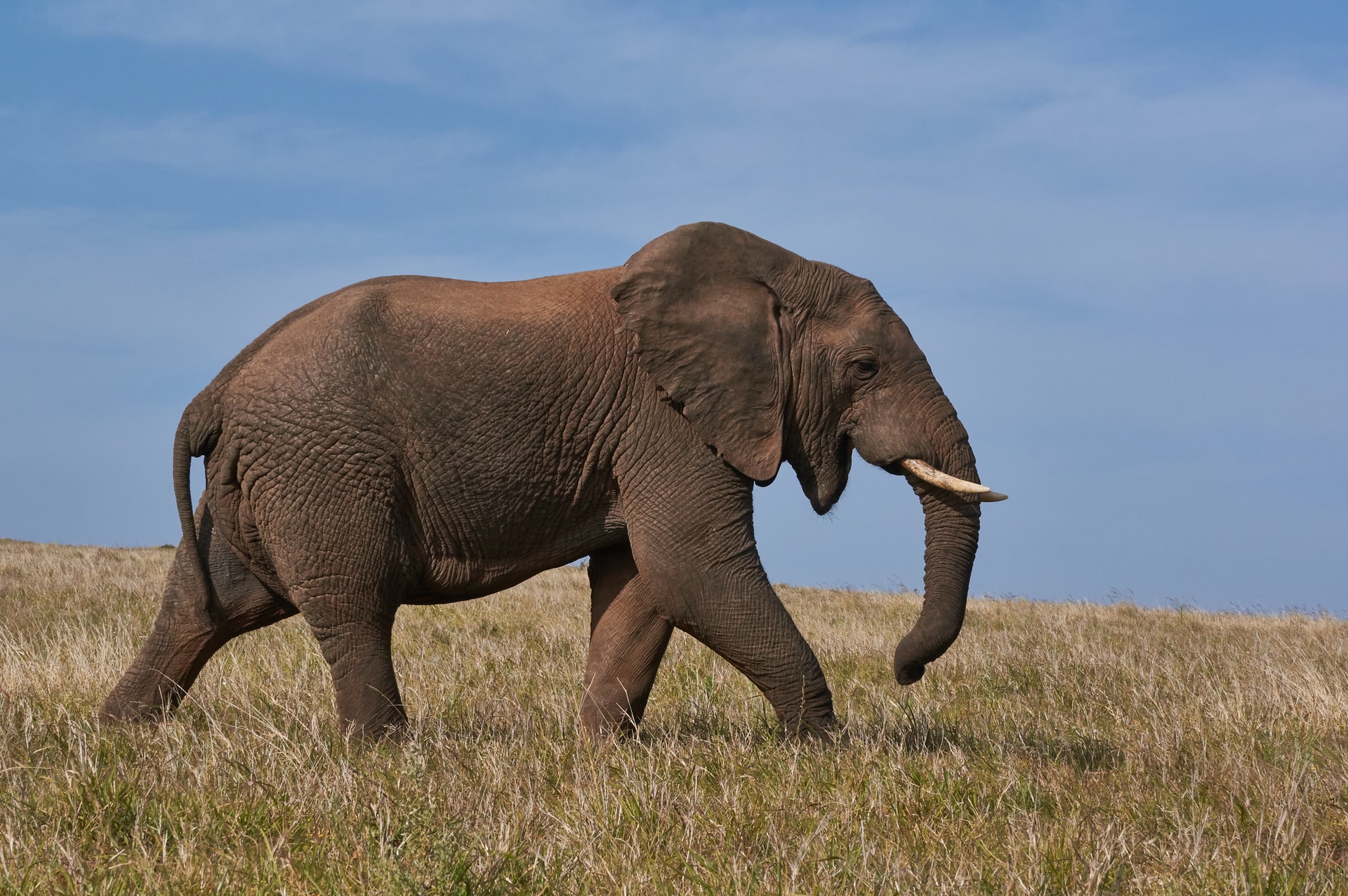
The Department of Forestry, Fisheries and the Environment has recently announced the annual quotas for the trophy hunting of black rhino, leopard and elephant in South Africa.
“The quota for leopard has been set at 10 animals, and is informed by robust data generated through a sophisticated national leopard monitoring programme. Leopard hunts will only be allowed in areas where leopard populations are stable or increasing, and only male leopards seven years of age or older may be hunted. Implementing a strict seven-year age minimum for trophy leopards dramatically reduces the risk of overharvesting,” Barbara Creecy, minister of this department said in a media statement.
According to the department, a total of 10 black rhino may be hunted, and 150 elephants.
“Only adult male black rhinos will be hunted, and only on conservation management grounds in accordance with a set of strict criteria to ensure that demographic and/or genetic conservation is enhanced (as stipulated in the black rhinoceros Biodiversity Management Plan). The quota for black rhino is based on the national population estimates for black rhino per subspecies, all three of which show an increasing trend at present.
“Only a very small portion of the overall elephant population is hunted in a year (less than 80 elephant bulls, which is less than 0.3% of the total population). The national elephant herd shows an increasing trend and the quota of 150 is well within sustainable limits.”
Creecy said South Africa is one of many countries that implement a sustainable off-take of elephants, black rhino and leopard. She said this is aligned with the best available scientific information on their conservation status and ensures that hunting of these animals does not have a negative impact on the wild populations of these species.
“Regulated and sustainable hunting is an important conservation tool in South Africa as it incentivizes the private sector and communities to conserve valuable wildlife species and to participate in wildlife-based land uses, ultimately contributing to the conservation of the country’s biodiversity.”
The hunting sector conservatively contributed R1.4b to the economy in 2019, excluding the economic contribution to tourism and all hunting and safari-related industries. The income generated by the species fees totalled approximately R1.1b, of which approximately R208m was derived from the trophy hunting of threatened or endangered species. The biodiversity sector employed more than 418 000 people in 2019, which is comparable to mining.
“It is a sector that is expected to continue to show economic and employment growth in the foreseeable future. These species are central to a vibrant international hunting industry, and hunting is a part of the South African heritage and culture. This is a sector that generates economic benefits as part of the South African rural economy.”
The breakdown of the quotas for 2022 are as follows:
10 Leopard, allocated as follows
- Seven male leopards for Limpopo Province;
- One male leopard for KwaZulu-Natal Province; and
- Two male leopards for North-West Province.
The Scientific Authority has recommended that leopards to be hunted must be seven years of age or older. This is an additional safeguard to ensure that the off-takes are ecologically sustainable.
The norms and standards for the trophy hunting of leopards in South Africa are at the final stages of implementation and are expected to be published soon.
150 Elephant
As per the CITES annual African elephant export quota of 300 tusks from 150 animals for South Africa.
10 Black Rhinoceros
The quota is based on the cautious/conservative quota adopted by CITES in 2018 that aims to (1) promote the expansion of the species’ range in South Africa through incentivizing the keeping and protection of viable populations of black rhinoceroses and to (2) increase/maintain productive population growth rates through the offtake of surplus males.
Read original story on reviewonline.co.za

