
IEC to discipline responsible officials for ballot paper blunders
This came after voting at some stations in Pretoria was delayed because ballot papers ran out and arrived late at some stations.

The IEC said it would take disciplinary action against officials responsible for the ballot paper blunder during municipal elections, which saw some voters standing in lines for long hours and some even giving up hope and walking away.
This came after voting at some stations in Pretoria was delayed because ballot papers ran out and arrived late at some stations.
“We do regret that our officials in the distribution chain made [the wrong] decisions as to how many ballot papers to take to their stations,” said IEC chief electoral officer Sy Mamabolo.
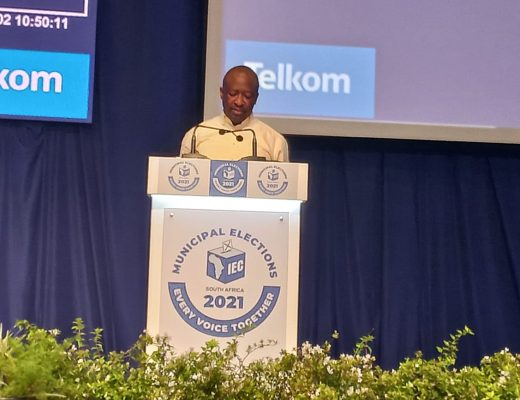
“In making those decisions, it resulted in the shortages.
“We regret that it created undue frustration for voters.”
While there were reports of people that were not listed on the voter management devices, Mamabolo said the system was tested and improved following glitches during the voter registration weekend.
“These devices have ensured that we continue to meet the Constitutional Court’s injunction that voters only vote in the wards in which they are registered and that every voter must have an address on the voters roll.”
ALSO READ:
Local elections: “We are tired of empty promises” – residents say
Voters view their opinions on election day
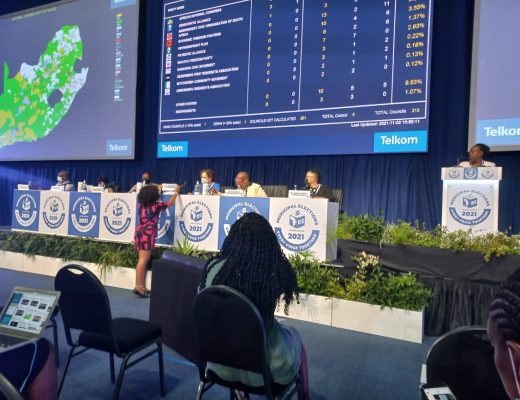
He said 12 186 869 people were processed through the voter management devices in the two days of special votes and election day itself.
“We are confident that these voters voted in the wards in which normally reside. This is an important control measure in a local government election,” he said.
The 12.1 million votes meant that 46% of 26 million registered voters cast their votes.
While the total number of people who voted had not yet been completed, four hours before the voting stations closed on Monday only 30% (eight million) of registered people had cast their votes, which raised concerns over low voter turn-out.
Unisa political analyst Professor Dirk Kotze said the reported numbers showed that voter turnout could be under 50% or reach 50%.
He said the steadily increasing votes captured could change the possibility of the elections having the lowest ever voter turnout.
“If the voter turn-out reaches about 50% or over, then I think that will be the same as the previous elections and it will not be the lowest we’ve ever seen.”
Kotze said the low turnout showed people’s lack of trust in political parties.
“People do not see an alternative party that they can vote for.”
Kotze said corruption and long-existing service delivery issues problems faced by communities could be among the reasons why some people did not vote.
“Too many people might be fed up because they do not see any change. There is also a sense that politicians are not public representatives but are rather there for themselves and for so long that is the case, then why vote for them?”
Kotze said voters staying away from the polls did not necessarily mean that they did not take part in politics.
Read original story on rekord.co.za

