How to lower petrol and diesel costs with smarter driving
From tyre pressure to smoother driving, simple habits can cut fuel costs and improve vehicle efficiency on South African roads.
Modern cars are engineered to optimise fuel consumption and emissions, yet how you drive and how well you maintain the vehicle can easily skew your fuel usage by double-digit percentages. Smooth driving, the correct tyre and wheel setup, and removing unnecessary weight or drag all add up to noticeable savings at the pumps, especially over SA’s long commutes and frequent weekend trips.
Rolling resistance

Image: Supplied
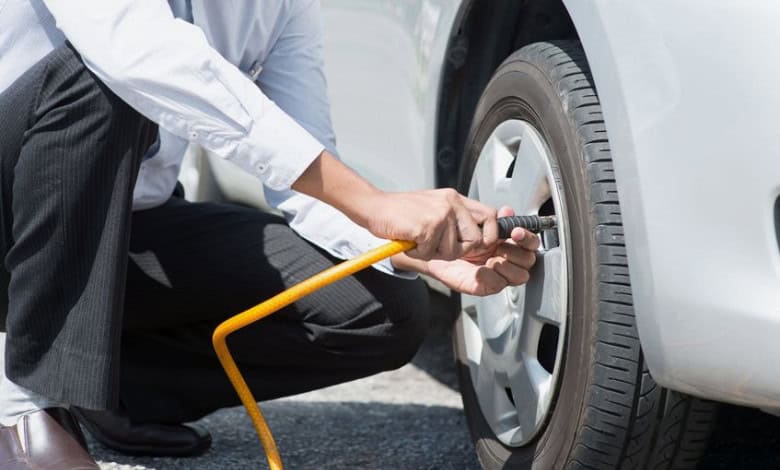
At city speeds, reducing rolling resistance is key to saving fuel and the easiest win is keeping your tyres at the correct pressure. Underinflated tyres increase rolling resistance, requiring the use of up to 10% more fuel to achieve your intended acceleration or cruising speed.
Recommended tyre pressures are usually displayed on the driver’s-side door frame, or in the inside of the fuel filler flap; do not use the number printed on the tyre wall. Only adjust pressures when the tyres are cold – driven no more than three kilometres at low speeds – or if already hot, allowed to cool for at least two hours. Pressures can rise between 20 and 40kPa as tyres warm to operating temperature, so setting the pressure when hot means that the tyres will be underinflated. Ideally, pressures should be checked monthly using your own pressure gauge, but if this is not practical, you can check pressures when refuelling.
Tyres, including the spare, should always be checked before a long trip, as the higher speeds, and probably loads, require an increase in pressure. For safety reasons, do not increase pressures above those recommended as it reduces the effective contact patch, compromising steering response and braking.
When wheels are misaligned, tyres drag or scrub sideways instead of rolling straight, which increases rolling resistance and can reduce fuel economy by 1-2% or more. If the steering feels ‘off’ with compromised straight-ahead stability, drifts to one side on level, straight roads, or tyres wear unevenly, have the wheel alignment checked and corrected. This small investment usually pays back in fuel savings and prolonging the life of your tyres.
Reducing aerodynamic drag

Image: Toyota
Aerodynamic drag rises with the square of speed and typically overtakes rolling resistance at 60-80km/h, after which it continues to rise exponentially. In city driving, a roof rack or roof box is rarely needed and substantially increases wind resistance, while even an empty roof rack can add enough aerodynamic drag at highway speeds to noticeably raise fuel consumption.
Items such as roof-mounted tents, bulky cargo boxes, or even roof-mounted bicycles can push consumption up by 10% or more. While SUVs always “look the part” with the roof rack in place, the simple rule is to remove it completely when not in regular use. Fitted longitudinal roof rails are not an issue but if you fit cross bars to mount bicycles, a kayak, or a roof box, remove these when not in use. In the case of bakkies, an empty, open load box is a major contributor to drag, which can be reduced by fitment of a cover.
- Also read: 8 most fuel-efficient bakkies in SA in 2026
Driving habits in city traffic

Image: Supplied
Urban driving is where bad habits hurt fuel consumption more than anywhere. In stop-start traffic, cycles of aggressive acceleration from traffic lights followed by harsh braking can spike fuel use by 20-30% compared with smooth, steady driving.
Instead, aim for gentle acceleration, using light to medium throttle to reach the required speed, and then lift and coast when approaching a red light or stop street. An automatic transmission will sense the throttle opening and engine load to shift up through the gears quite quickly, maintaining steady acceleration without excessively loading the engine. This is also something many cars’ ‘Eco’ drivetrain settings will do, along with softening throttle inputs. With a manual transmission, try to achieve the same by upshifting as the acceleration tapers off in each gear. Do not select neutral or depress the clutch when coasting to a stop. It is not considered safe and, in fact, increases fuel consumption as engines use fuel while idling, compared to zero fuel use if running above approximately 1 000r/min with the throttle closed.
Some suggest that accelerating at full throttle for shorter bursts, before lifting off at the required cruising speed, reduces fuel usage. The reasoning is that at wide open throttle (WOT) an engine is more efficient due to lower pumping losses – smoother airflow past the fully open throttle butterfly.
While true in a narrow, high-load operating window, the reality is that the ECU provides a richer mixture at WOT as it senses that maximum power, not fuel economy, is required by the driver, meaning that this technique will use more fuel.
Highway driving considerations

Image: Peet Mocke
On open roads, the relationship between speed and fuel use is exponential. With aerodynamic drag increasing with the square of vehicle speed, and accounting for more than 75% of the total resistance at 120km/h, reducing vehicle cruising speed results in significant fuel savings. While varying between vehicles due to drag coefficient and other factors, a cruising speed reduction of 10km/h could achieve fuel savings of up to 10% without significant impact on travel time.
Cruise controls can be effective on flat or gently rolling stretches because they avoid small speed fluctuations that waste fuel. While their speed control characteristics vary, it can be worth deactivating them in heavier traffic where, after you have been forced to slow, some accelerate back to set speed more aggressively than necessary. Similarly, when on hilly terrain, increasing speed on downhills can mean using less throttle on the following uphill.
Other contributory factors

Image: Supplied
Running the air conditioner (AC) always increases fuel consumption, but the impact of its mechanical load on the engine is much larger in city driving than at highway speeds. When using the AC, limit it to moderate temperature settings and lower fan speeds. Park the vehicle in the shade where possible, but if you can’t, open the windows when driving off to blow out the hot air rather than relying on the AC to cool it. At highway speeds, it’s best to keep windows closed as the additional drag has a greater impact on fuel consumption than AC use with the engine running in a more efficient steady state.
Remove golf bags, or any heavy cargo from the boot when not needed, as the repetitive acceleration of any unnecessary weight requires energy and consumes more fuel. Regular servicing is also important as a dirty air filter, worn spark plugs, or old engine oil can reduce efficiency by a few percentage points.
While these measures will help motorists mitigate the increase in driving costs, additional savings can be achieved through carpooling or lift clubs, and careful planning of activities to reduce vehicle use. Of course, those planning a vehicle purchase should be considering an electrified or hybrid vehicle of some sort as the amortisation period of the higher purchase price has just been significantly shortened.
Click here to browse thousands of new and used vehicles here with CARmag!
Also read
- 5 most affordable hybrid vehicles in SA in 2026
- 7 most affordable PHEVs in SA in 2026
- 5 Most affordable EVs in South Africa in 2026
The post Fuel for thought – how to save fuel appeared first on CAR Magazine.
Breaking news at your fingertips… Follow Caxton Network News on Facebook and join our WhatsApp channel.
Nuus wat saakmaak. Volg Caxton Netwerk-nuus op Facebook en sluit aan by ons WhatsApp-kanaal.