
KZN tops child hunger deaths
Between April 2017 and April 2025, 555 children under the age of five died in KZN public health facilities because of moderate acute malnutrition.
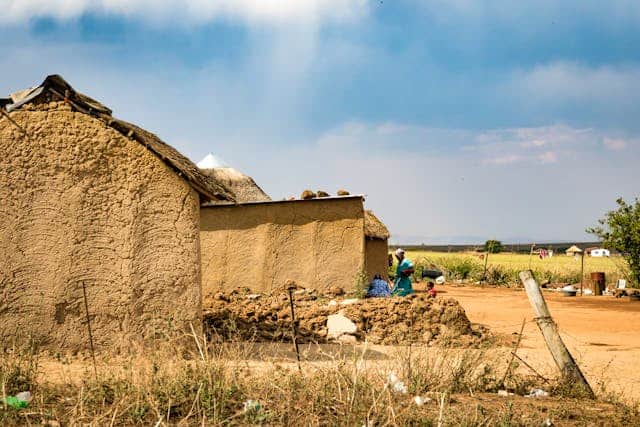
KZNhas recorded the highest number of child deaths due to moderate acute malnutrition in the country, prompting growing alarm from health professionals, civil society and legislators over what is being described as a deepening humanitarian crisis, The Witness reports.
In response to parliamentary questions, the national Department of Health confirmed that between April 2017 and April 2025, 555 children under the age of five died in KZN public health facilities because of moderate acute malnutrition.
This figure far exceeds the Western Cape’s 17 deaths and dwarfs the tallies in the Eastern Cape, Gauteng and Limpopo, which each recorded between 100 and 272 deaths over the same period.
While deaths declined from a peak of 120 in 2022 to 59 last year, the numbers remain troubling, with eight fatalities already reported this year.
The department further noted that over the past decade, more than 2 600 children died from severe acute malnutrition, with nearly 500 of those deaths occurring in the past three years alone.
Chairperson of the provincial health portfolio committee, Dr Imran Keeka, said the province’s health system was not the origin of the crisis, but rather its last point of intervention.
As a result of malnutrition that occurs in communities due to poverty and unemployment, the department receives patients with severe or moderate acute malnutrition.
“It is then required to treat these patients, and unfortunately in some cases it becomes too late to save the children.
“However, resolving this should be a whole-of-government approach,” said Keeka.
He called for improved coordination between the Health and Social Development departments to trace the origins of malnutrition at household level and intervene early.
“We need to look at things like — are the necessary grants received by parents or guardians of these children being used for what they are meant for?
“The department must ensure that community healthcare workers are more vigilant in the affected areas.
“They should be out in the field to screen children, identify cases of severe or moderate acute malnutrition, and refer the patients appropriately,” said Keeka.
He said long-term solutions lay in economic growth and job creation.
UKZN’s head of public health medicine, Professor Saloshni Naidoo, said the roots of the crisis were complex and interconnected.
Importantly, with the high levels of unemployment, a significant proportion of the population live below the poverty line.
“Despite social grants, there is insufficient food in homes and a lack of nutritious food to meet children’s needs.
“Because of this, families experience food insecurity, which compromises feeding practices and leaves children hungry.
“This is compounded by limited knowledge about child feeding practices and limited access to support services,” said Naidoo.
She added: “Further, when household finances are stretched, if a child is ill, carers may not be able to take them to clinics due to lack of transport money or needing to prioritise other urgent expenses.
“Thus, children may arrive at facilities already very ill — or not at all — contributing to the mortality figures we see.”
KZN Social Development MEC Mbali Shinga said addressing malnutrition required an integrated government response, including food security initiatives and better use of social support systems.
“As we recently launched Child Protection Month, it pains us to receive information that our children are dying of malnutrition.
“My view is that malnutrition is caused by neglect.
We ensure that children are registered for grants from birth, but we still hear and see that some recipients are not taking care of their children.
“It pains us to see that there are young mothers who do that,” said Shinga.
Breaking news at your fingertips… Follow Caxton Network News on Facebook and join our WhatsApp channel.
Nuus wat saakmaak. Volg Caxton Netwerk-nuus op Facebook en sluit aan by ons WhatsApp-kanaal.
Read original story on witness.co.za

