
Lessons from those who care – how older people thrive when they’re heard
People who work with older adults say that listening, respect and connection can help older individuals feel valued, supported and included in society.
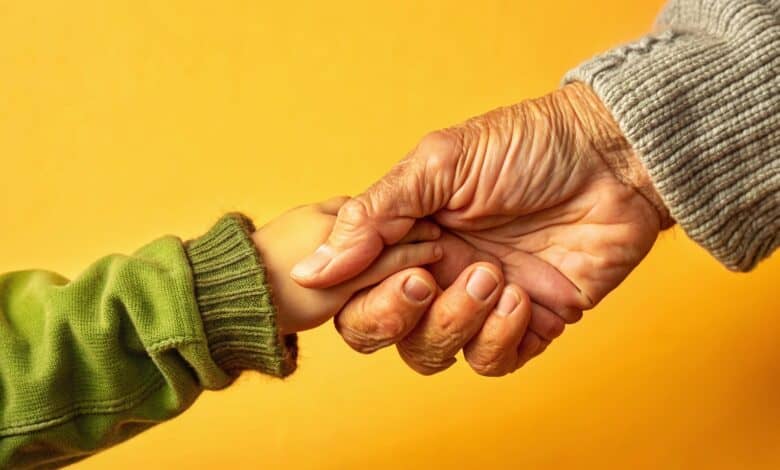
Even small acts of attention and connection can transform the lives of older adults – whether it’s listening to a life story, sharing a daily chat, or simply including someone in an activity. People who work with older individuals say that being seen, heard and valued is at the heart of what truly matters in later life.
On International Day of Older Persons, October 1, staff across Rand Aid Association’s retirement villages and care centres on Johannesburg’s eastern side reflect on the lessons they have learnt while working with older adults – lessons that highlight the power of listening, respect and connection.
Listening and presence
Many staff members emphasise that older people need to be genuinely listened to and acknowledged.
Ayanda Matthews, GM care and human resources, recalls the story of a resident with dementia who often appeared scruffy and annoyed the nurses with constant questions. “One day, a visitor asked if the gentleman at the entrance was not Professor so and so? It turns out our gentleman was a professor of English with a passion for poetry. If only we had taken time to sit and listen, we would have learnt a lot. Every time I went for a visit, I made sure I spent time with him – and I swear there was a glimmer of light in his eyes whenever I said, ‘Good day, Professor’.”
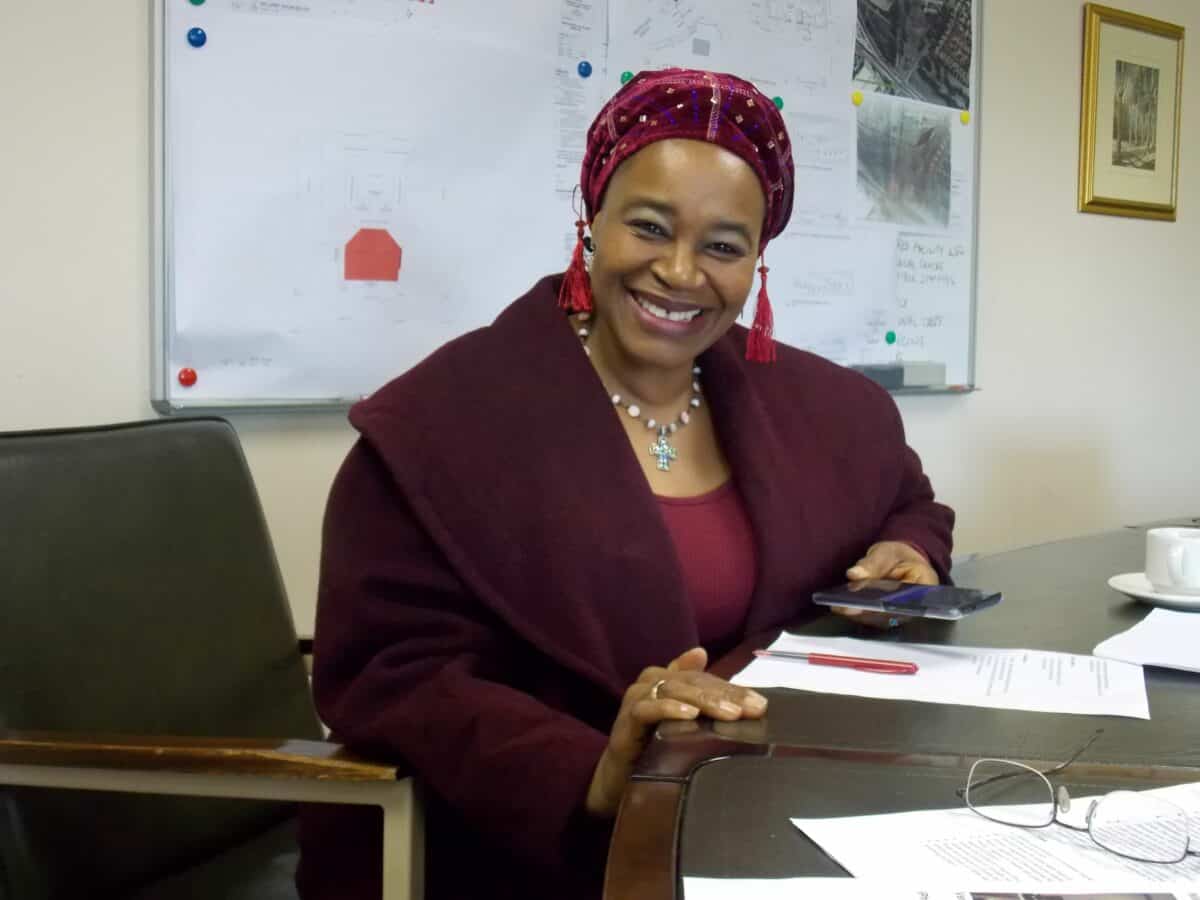
Lara Hurwitz, social worker at Thembalami Care Centre, shares another example. “A new resident had experienced mistreatment at her previous facility and was fearful and withdrawn. Through consistent support, patience and open communication, she gradually began to feel secure. Over time, she gained confidence, built strong relationships and eventually took on a welcoming role for new residents. Despite getting older, she truly blossomed – becoming not only more self-assured but also a positive influence on those around her.”
Lynn Barrow, a qualified social worker and deputy manager at Tarentaal retirement village, also highlights the calming power of being heard. “An 83-year-old lady believed her car was being tampered with and called the office in distress. I went to visit her in her unit and listened to her story – one could just see how her temper and anger disappeared after she felt that she was heard.”
Respect and recognition
Staff consistently note that older people want to be treated as individuals with valuable experiences, not dismissed because of age.
Catherine Dube, Elphin Lodge village sister, says: “Healthcare workers sometimes refer to them as ‘these old people’, forgetting that they were once young and have navigated their way into old age without a map. I take time to listen to stories about their childhood, adulthood, marriage, divorces, medical and work experiences. This helps me understand them as individuals and how to relate.”
Leanie Bessinger, nursing services manager at the Ron Smith Care Centre, emphasises: “What many older people need most is to feel seen, heard and useful – while having the security and support to live with dignity.”
Connection and purpose
Combating loneliness and fostering social engagement are recurring themes.
Tammy Neilson, manager of Tarentaal retirement village, outlines three key needs: “Respect and recognition – they want to be seen as individuals with rich histories, wisdom and contributions. Connection and belonging – loneliness is one of the greatest challenges older people face; opportunities to stay socially connected help them feel part of the fabric of society. Practical support with independence – whether it’s accessible housing, transport, healthcare or technology training, older individuals value systems that allow them to remain independent while knowing support is available when needed.”
Simoné Botha, Ron Smith Care Centre manager of OT and recreation, adds: “Staying connected – whether with family, friends, or even strangers – brings meaning and joy to our lives. We truly thrive when we feel part of a community.”
Karen Griessel, the social worker at Thornhill Manor, observes: “What older people need most from society today is to be recognised as valued members of the community, with unique strengths, stories and contributions to share.”
Billie Sack, aged 101 and the oldest resident at Inyoni Creek, reflects on her experiences: “The main enemy of old age is boredom. Even 10-minute visits mean a great deal. Small moments of connection counter loneliness and bring joy.”
Shaun Victor, manager of Thornhill Manor retirement village, summarises: “I think what older people want most is pretty simple: To stay connected and know they still matter. They value respect, the freedom to make their own choices, and the chance to share their experience in ways that count.”
Practical support and independence
Staff also highlight the importance of maintaining autonomy and dignity in older age.
Bessinger says: “Not just medical treatment, but also care that respects dignity, autonomy and mental health, like the Eden Alternative philosophy of care that we have adopted at RSCC.”
Nadine Radford, Elphin Lodge social worker, notes: “The ability to decide what to wear, which activity to join or even how to spend the day may seem small, but it makes a profound difference. Just because someone is old or frail does not take away the innate need to be respected, heard and valued.”
Debbie Beech, manager of Elphin Lodge retirement village, emphasises the power of simple interactions: “The most important thing I have learnt is to spend time with someone – even if it’s five minutes – that is sometimes the only meaningful interaction that person has.”
Lessons from experience
Staff also reflect on the broader lessons their work has taught them.
Jana Bezuidenhout, Inyoni Creek village sister, says working with older individuals teaches the value of long-term perspective – understanding that what feels important now may not matter much in the future, while kindness and patience often have a lasting impact. She shared a story a resident had told her that illustrates this: “When I was in my 50s, I planted a fig tree. My neighbour laughed and said, ‘You’ll never get to enjoy the fruit – it takes years to grow.’ But I planted it anyway. By the time I was in my 60s, it began to bear fruit. My grandchildren now climb that tree, pick the figs, and eat them right off the branch.”
Matthews adds: “When we look at older individuals, we do not know the journey that got them to where they are. Taking the time to listen, even for a few minutes, can reveal so much about the life someone has lived.”
101 and thriving: ‘The main enemy of old age is boredom’
To mark the International Day of Older Persons on October 1, Billie Sack, aged 101 and the oldest resident at Inyoni Creek, shared her reflections on ageing in an interview with social worker Michelle Matsolo.
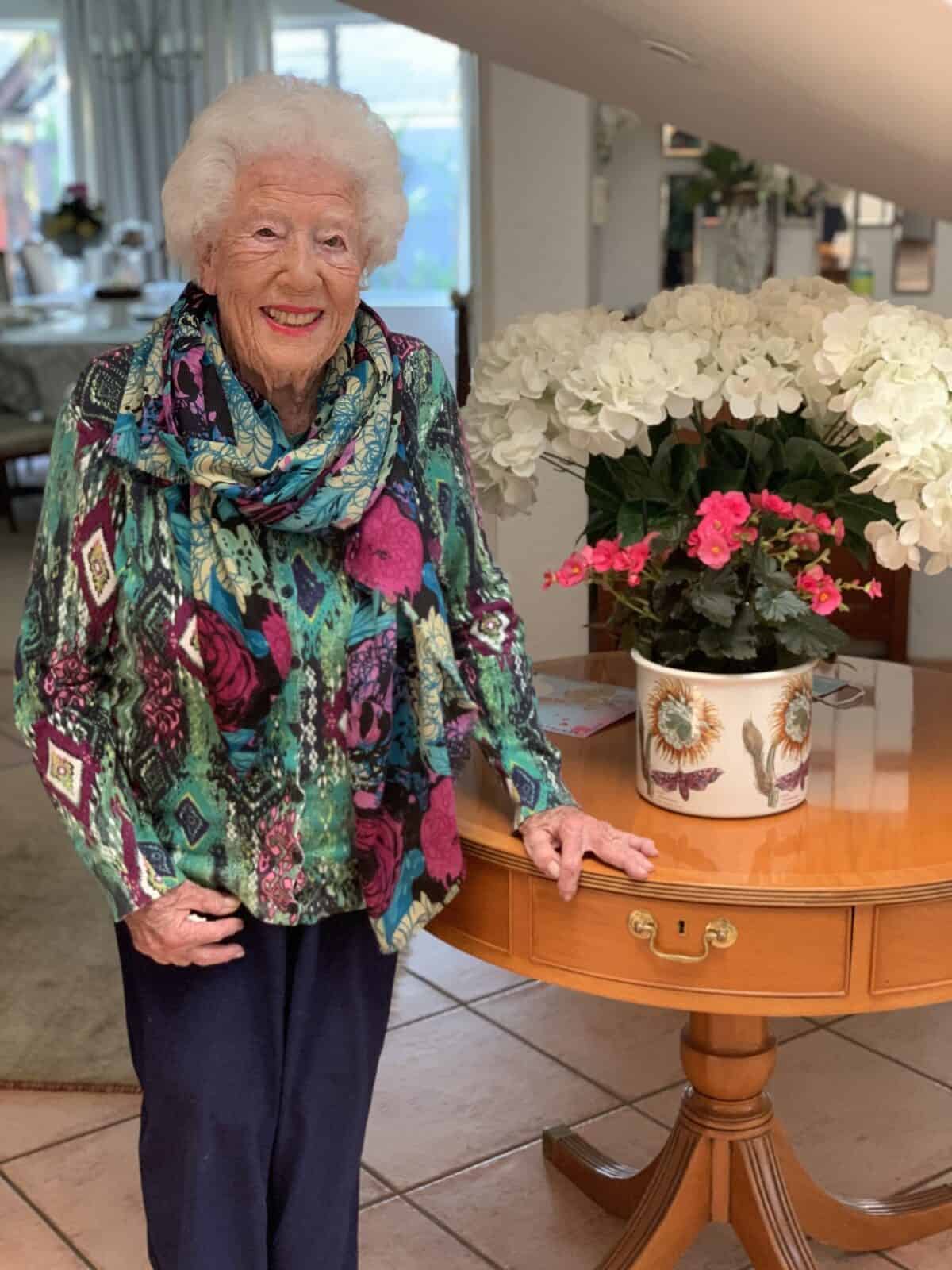
Billie emphasises the importance of staying busy and engaged. She believes older adults should remain outgoing and involved, for example, by playing bridge with friends. Staying physically active is equally essential – she encourages arm and leg exercises to keep muscles strong.
“Above all,” she says, “stay interested in life and always be open to learning something new. Curiosity and connection are the keys to thriving in older age.”
Reflecting on what older people need most from society, Billie is clear: “The main enemy of old age is boredom.” She values being included in activities with friends and family. “Never exclude older people,” she says. “Even short visits of 10 minutes mean a great deal. Small moments of connection counter loneliness and bring joy.”
She also recalls the challenge of losing independence, such as when she was told she could no longer drive. For Billie, it was not just about mobility but also about learning to ask for help. “Support from friends, family and neighbours is vital,” she explains. “Whether it’s offering a lift to the shops or simply asking if I have plans and offering transport, small acts of thoughtfulness make all the difference. They help older people continue to feel connected and supported in their daily lives.”
At 101, Billie’s advice is simple but powerful: Stay active, stay curious and cherish the connections that give life meaning – no matter your age.
Breaking news at your fingertips… Follow Caxton Network News on Facebook and join our WhatsApp channel.
Nuus wat saakmaak. Volg Caxton Netwerk-nuus op Facebook en sluit aan by ons WhatsApp-kanaal.
Read original story on www.citizen.co.za

