
Limpopo mayor turns to mines to help feed the poor
The Sekhukhune district municipality region hosts 28 mining companies, yet it is one of the most poverty-stricken areas in the country.
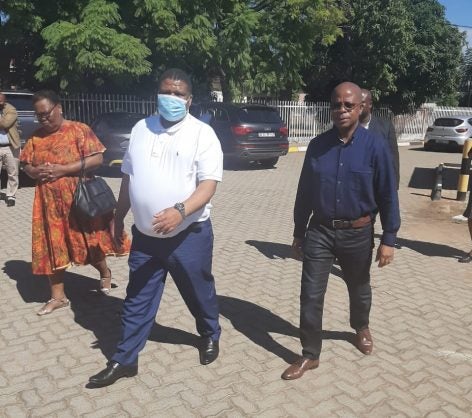
The executive mayor of one of South Africa’s poorest regions has turned to mining houses in Limpopo to plead for food to feed destitute people during the ongoing lockdown.
Mayor for Sekhukhune district municipality Stan Ramaila spent the better part of last week pleading for help from mining houses in the Sekhukhune area to feed the thousands of hungry people in his region.
Ramaila said donations from the mining companies would help bridge the gap between the poor and the well-off during the lockdown period.
The region has 28 mining companies, yet it is one of the most poverty-stricken areas in the country.
In 2002, then-president Thabo Mbeki identified Sekhukhune as one of the nodal points that needed urgent government intervention to reduce poverty, unemployment and underdevelopment.
Chrome and platinum, which are mostly exported, are mined there, but nearly three-quarters of the 1.1 million residents are unemployed and live from hand to mouth.
According to Statistics SA’s Quarterly Survey for 2017, unemployment rates in Sekhukhune stood at 49.6%. This was much higher than the total in the province (28%).
“We are currently getting help in the form of food parcels and other logistics from government,” said Ramaila. “But we feel it is only logical to get more help from those we do business with, or who are doing business in our area.
“That is why we felt it important to plead with our mining houses for help.
“We have also extended our plea to business people operating in our area.”
Ramaila said since the start of the lockdown, the region was generally impressed that most of the mining companies had shown a willingness to give back to the community.
“We believe and hope that as part of the social responsibility of all the mines towards their communities, donations of food packages should be prioritised.”
Notice: Coronavirus reporting at Caxton Local Media aims to combat fake news
Dear reader,
As your local news provider, we have the duty of keeping you factually informed on Covid-19 developments. As you may have noticed, mis- and disinformation (also known as “fake news”) is circulating online. Caxton Local Media is determined to filter through the masses of information doing the rounds and to separate truth from untruth in order to keep you adequately informed. Local newsrooms follow a strict pre-publication fact-checking protocol. A national task team has been established to assist in bringing you credible news reports on Covid-19.
Readers with any comments or queries may contact National Group Editor Irma Green (irma@caxton.co.za) or Legal Adviser Helene Eloff (helene@caxton.co.za).
Read original story on citizen.co.za

