
Listen: UP, SANParks attempt to rescue paramount site at KNP
The University of Pretoria (UP) and SANParks are excavating a site in Limpopo to rescue an important archaeological site along the Letaba River in the Kruger National Park.
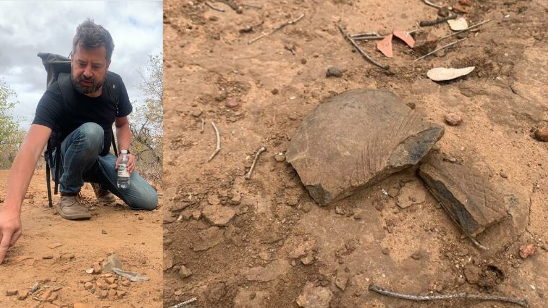
Members of Kruger National Park and a team of UP archaeologists have discovered an archaeological site at Letaba, Phalaborwa, with findings that date back to before the discovery of artefacts at the Mapungubwe Heritage Site.
The site is believed to have been occupied by communities between 1 500 and 1 000 years ago and contains some of the earliest evidence of trade between South Africa and other countries such as Asia and India, according to UP anthropologist Dr Xander Antonites.
Antonites said the site in Letaba was discovered through a walkabout in the wildlife-filled terrain of SANParks in the 1980s, however, studies had only begun in May 2021.
“The site was identified by two professors from UP, through artefacts identified on the surface. They excavated for a bit, but never carried on with the work.”
Antonites said it was only through a visit back to the site last year, that they realised the site had more to offer than previously thought.
He said through radiocarbon dating of the materials discovered in the area such as clay pots, remains of burnt clay houses, glass beads, metal and hunting equipment such as bows and arrows, a story was being formed over the type of community who resided in the area.
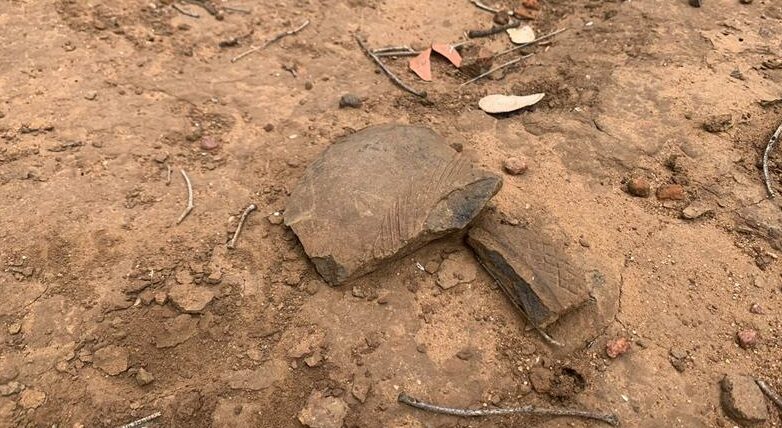
He said more sites were being discovered as they expanded their work, which meant there could have been a larger landscape of people residing near the Lethaba area and beyond.
“This is not the only site we are exploring, there are other people and communities on the other side of the river and along the river banks.”
He said it was vital they expanded their archaeological coverage to understand the communities as a whole and not as isolated as the current discoveries portrayed.
“The people probably moved elsewhere as resources are depleted, as the environment changed,” Antonites said.
“People could have moved to where they could also get a better connection to trade routes.”
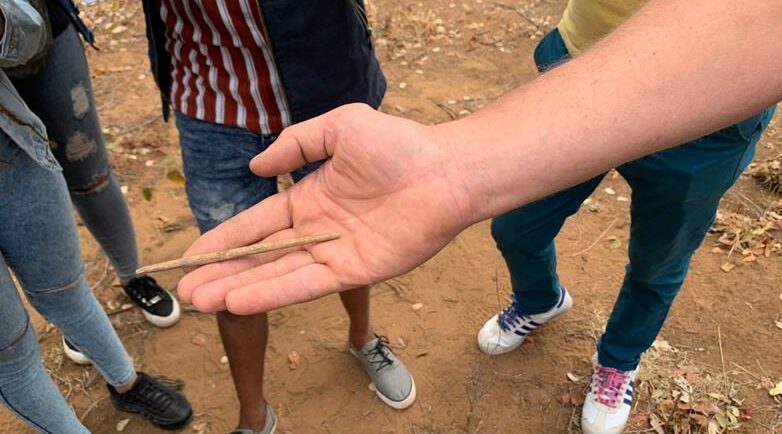
Antonites said it is believed that the communities survived in the area through trade using the Letaba River.
He estimated that the river was used into the Indian Ocean where trade occurred about 2 000 years ago.
Antonites said the glass beads that were found originated from Far East Asia and this assisted in determining the age of trade.
He said further crops and animal remains were found such as sorghum, millets, pumpkin seeds, beans, cattle, sheep and goats were found determining life.
“The predominant animal remains we are finding are wild animals such as buffaloes, giraffes, zebra and blue wildebeest.”
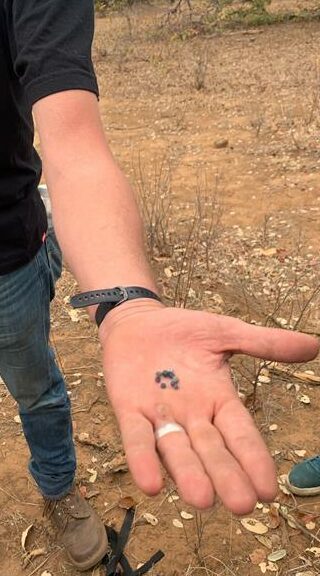
He believed that the tusks and skin were used for trade.
He said it was also thought that the areas at a stage suffered drought or the environment became unbearable for health reasons due to malaria and tsetse flies, which led people to move to a better connection to trade routes.
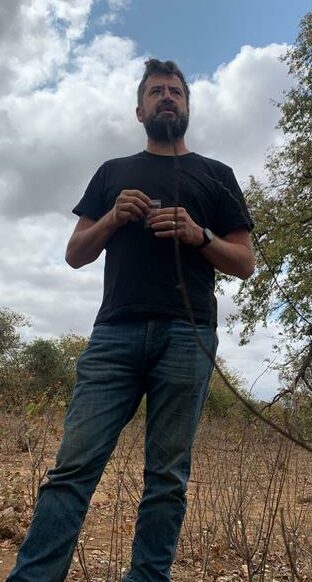
Antonites said the communities, determined through artefacts found, had similarities to the Tsonga-speaking communities through their habitat of stay.
“We are aiming to end this project in five years and as we expand the project, there is a potential to work here much longer. We are still at the early stages of research and there is still a lot to discover.”
He said there was a lot to still do at the unique site, with ‘rare trade goods’ found.
SANParks archaeology manager Ndukuyakhe Ndlovu said: “This site excites me a lot. You won’t see a lot of wow factors to see with a virtual eye, but the story is filled with a rich history.”
Ndlovu said the Kruger National Park was a conservation area associated with largely animals, however, ‘people should appreciate that the Kruger Park had a lot of history’.
“If this site turns out to be what we think it is, it will be more important than the Mapungubwe Heritage Site.”
Listen to Ndlovu address the findings regarding human remains:
Read original story on rekord.co.za

