
Live export horror: 72 000 sheep in SA feedlot
The NSPCA has been informed by the DALRRD that they have advised the Eastern Cape Veterinary Services against any live animal exportation to the Middle East from May to September 2020.
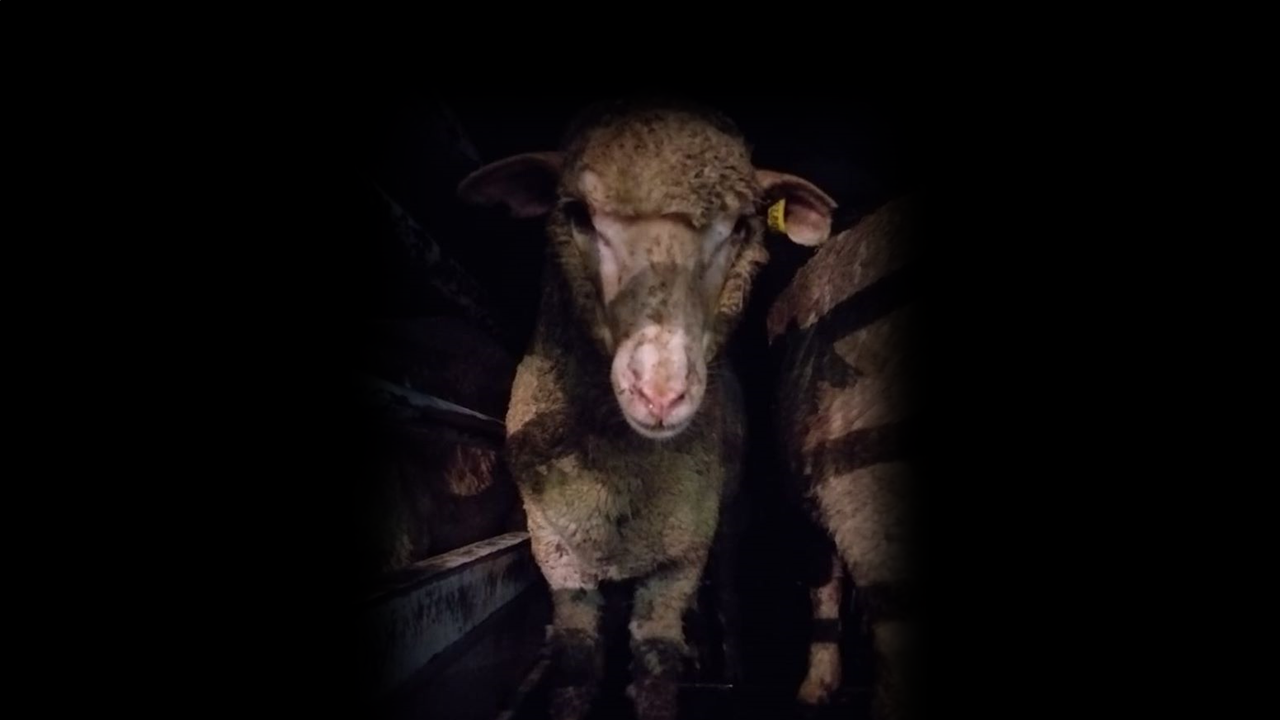
The National Council of SPCAs (NSPCA) is opposed to the export of live animals by sea.
Like Australian animal welfare groups, notably Animals Australia, who lobbied to the Australian government, the NSPCA has continuously engaged with the Department of Agriculture, Land Reform and Rural Development (DALRRD) in order to end this abhorrent trade.
Also read: South Africa’s ‘Frog Lady’ wins 2020 Whitley Award
The NSPCA has been informed by the DALRRD that they have advised the Eastern Cape Veterinary Services against any live animal exportation to the Middle East from May to September 2020.
The Eastern Cape Veterinary Services have confirmed that they have no intention of going against the decision from DALRRD.
The NSPCA commends the South African government for taking a stance against shipments during the Middle Eastern summer months based on the exacerbated risks during this period.
The NSPCA has since been informed that there are approximately 72 000 sheep at the Al Mawashi feedlot in Berlin in the Eastern Cape which raises significant concerns.
Also read: Conservation gets its aha moment in 2020
The route and climatic conditions of the voyage from South Africa to the Middle East are horrendous at this time of the year.
According to the NSPCA temperatures in the Persian Gulf are already climbing towards the 40 degree Celsius mark.
These enclosed vessels do not have air conditioning as claimed.
The hot air outside is simply pumped into the pens, the warmer seawater heats up the hull from below and the hot sun beats down onto these metal boxes, all contributing to the already hot and humid environment caused by the tens of thousands of sheep radiating heat from their own bodies, in an attempt to cool themselves.
Evidence has shown that during voyages, particularly between May to September, the combined heat and humidity literally “cooks” animals alive.
Many will die and those that survive will endure unimaginable suffering.
The NSPCA remains opposed to the export of live animals by sea.
*Note: This publication previously failed to obtain Al Mawashi’s response in reaction to the NSPCA’s statement. We apologise sincerely for this failure and are in the process of finalising Al Mawashi’s response for publication. This response has necessitated further requests for comment directed at the NSPCA and DALRRD. Meanwhile JP Roodt, Al Mawashi South Africa’s spokesperson, said that Al Mawashi’s exports are compliant with all South African laws and World Animal Health Organisation (OIE) standards. He argued that animals being exported from South Africa would not be subjected to life-threatening conditions and questioned the scientific soundness of the NSPCA’s comparing the position on live stick export in South Africa and Australia.
Read original story on bedfordviewedenvalenews.co.za

