
New cervical cancer detecting machine for Port Shepstone Regional Hospital
Port Shepstone Regional Hospital will receive a Large Loop Excision of the Transformation Zone (LLETZ) machine this week – a second cancer detecting machine for the gynaecology outpatients department.
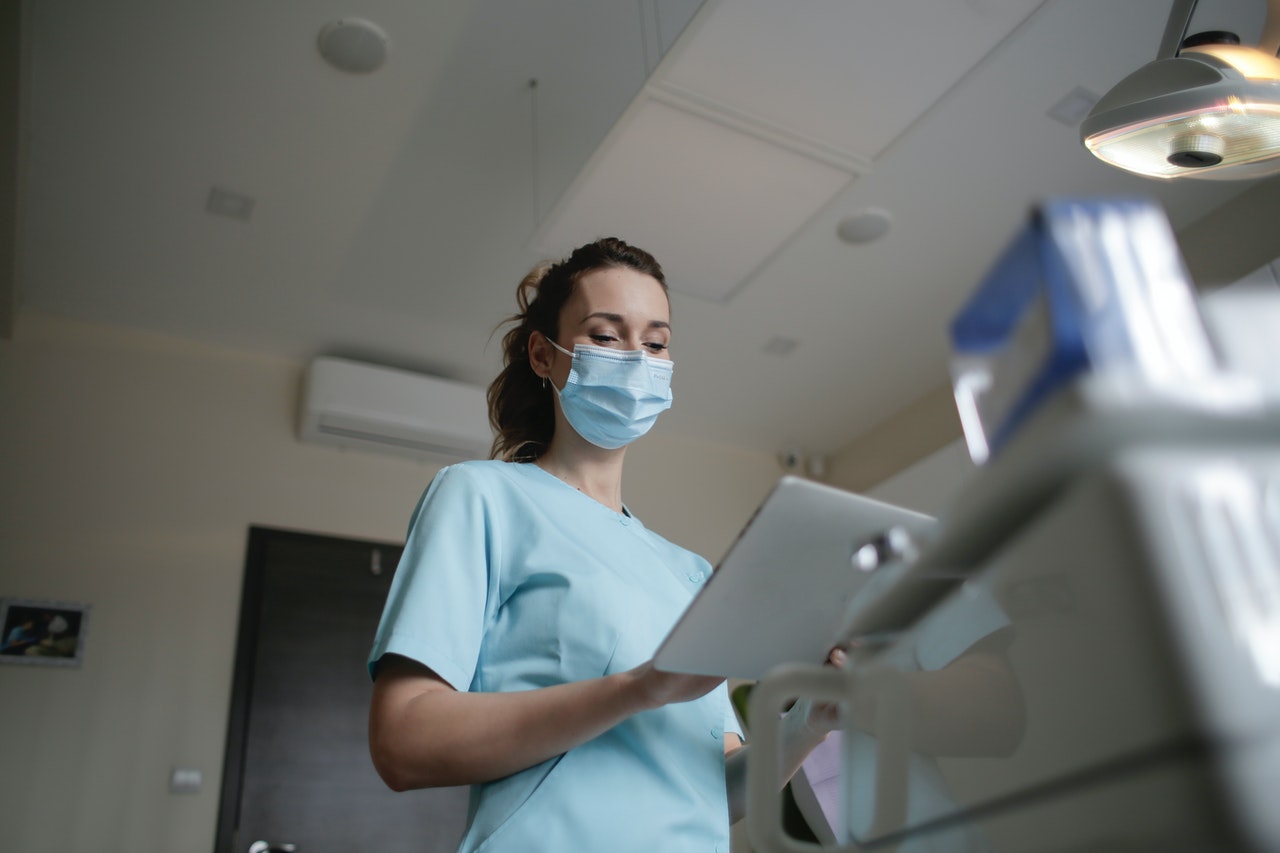
The machines were unveiled by KwaZulu-Natal Health MEC Nomagugu Simelane earlier this month, and has been distributed to 16 hospitals and community health centres in the province.
Shocking statistics reveal that one in 40 South African women develop cervical cancer, and that up to 3500 women die from this disease each year.
Cervical cancer, which is the second most common after breast cancer, is caused by the sexually-transmitted human papilloma virus, which results from women starting too early to engage in sexual intercourse.
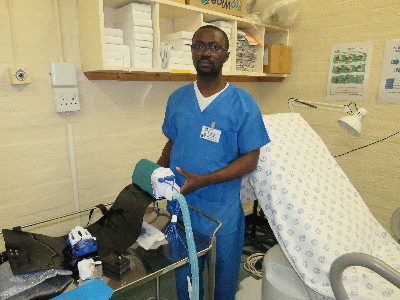
The LLETZ procedure is usually done after a woman undergoes a pap smear, and the test shows an abnormal result.
The function of the LLETZ machine is to conduct a small surgical procedure on a woman’s cervix. Using an electrical current, the LLETZ procedure removes that part of the cervix where the cells are becoming abnormal (dysplastic), which might otherwise develop into cancer.
An important feature of cancer of the cervix is that the disease has a long pre-cancer phase, which lasts for several years. This provides an opportunity to detect it (by pap smear) and then to treat it with the LLETZ procedure before it progresses to cancer.
A pap smear is strongly recommended for women aged 30 and above. Women who are HIV negative need to undergo a pap smear once every 10 years, whereas those who are HIV positive need to have it done once every three years.
MEC Simelane said these machines are revolutionary in treating cervical cancer.
“We are very excited. In all the facilities that are getting these machines, we’re expecting numbers. We will be checking after six months how these hospitals have been using these machines, and we want to see progress,” she added.
Read original story on southcoastherald.co.za

