
New driving licence card to tackle woes at licensing centres
“We have to continue to work hard in tackling and eliminating corruption at the DLTCs and focus on providing an efficient service to the citizen.”
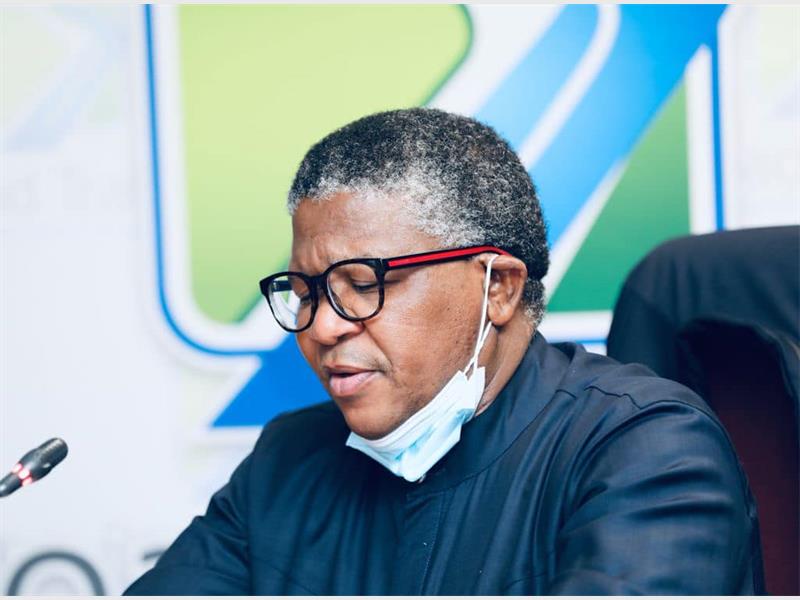
The introduction of a new driving licence card was among some of the interventions the transport department intended to implement to tackle challenges it faced at driving licence testing centres.
“These interventions will be reinforced by the introduction of a new driving licence card with improved security features intended to eliminate fraud and corruption,” transport minister Fikile Mbalula said.
He made the remarks following a meeting with provincial transport MEC Jacob Mamabolo and the Gauteng licensing authorities at the Road Traffic Management Corporation (RTMC) office in Centurion.
Mbalula said the six core areas on which they would focus their attention included tackling infrastructure challenges, system integration, online service innovation, decentralisation of the driving licence testing centre footprint, improved access to services and the elimination of corruption and inefficiencies.
He said some of the solutions included the RTMC and driving licence card account, giving infrastructure issues an urgent priority and urgently attending to the upgrade of obsolete live enrolment units and other tools of trade which centres required to deliver services.
“The RTMC must move with speed in addressing the availability of eNatis, which include bandwidth and supporting infrastructure. We must attach timeframes to this process if we are to succeed in making decisive intervention,” Mbalula said.
The testing centres were also expected to standardise operating hours from 08:00 until 16:00 and open on Saturdays so they could address the backlogs.
Meanwhile, the RTMC, working with licensing authorities, would intervene in tackling the slot allocation challenge by rolling out the online booking platform which was created as part of a broader strategy to improve service delivery at licensing centres.
“This platform gives the public access to view available slots without physically travelling to a testing centre thereby saving the applicant time and money. Corruption related to slot allocation must be investigated and addressed decisively,” he said.
Mbalula said self-service kiosks would also be introduced at testing centres while mobile kiosks in public spaces would be managed by the RTMC.
“This will enable access to the booking system for those who do not have access to the internet. The deployment of mobile units must be fast-tracked and requisite support infrastructure must be sourced and made available,” he said.
Mbalula noted they were under no illusion that their online services were not remedy to the challenges they faced, but were a game-changer which would “change the face of service delivery at driver testing centre level”.
“Regular evaluation of the impact of the interventions is a necessary element of introducing a new service delivery model. We must continually evaluate and adjust solutions in order to realise our objectives,” he said.
He added that while others would resist the innovative solution, they ought to be resilient in delivering a service which met the needs of the citizens.
“We have to continue to work hard in tackling and eliminating corruption at the testing centres and focus on providing an efficient service to the citizen.”
Read original story on rekord.co.za

