
Phala Phala probe prioritised
Political parties have welcomed the National Assembly programming committee's decision to deal with the matter this year.
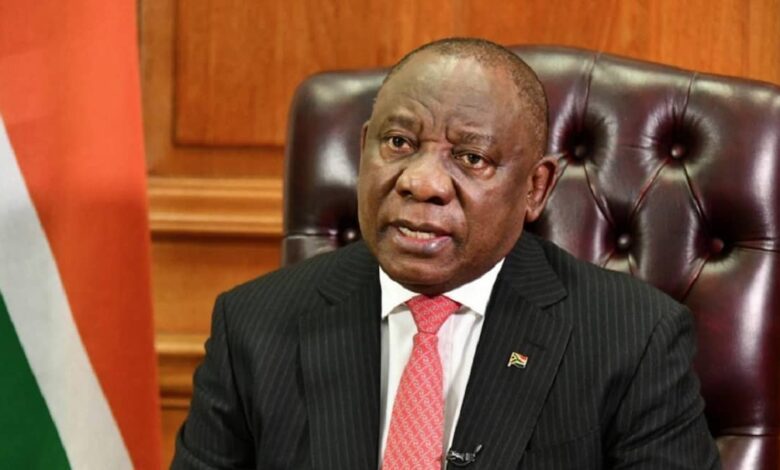
With Parliament’s independent panel investigation of President Cyril Ramaphosa’s role in the Phala Phala scandal raising political stakes, parties want his fate decided sooner rather than later.
When the deadline for the finalisation of the panel’s investigation was shifted from Friday to the end of the month, there were concerns among opposition parties that Parliament will only be able to deal with the Phala Phala matter in February next year.
Sensing the mood among political parties represented in Parliament, the National Assembly’s programming committee on Thursday resolved that MPs, who are due to be on leave from December 1, should return to work on December 6 to discuss the Phala Phala matter at Parliament’s special sitting.
DA chief whip Sivwe Gwarube said the official opposition would have challenged any decision requiring MPs to discuss the Phala Phala matter in February.
“We can’t have this report roll over to February next year. I’d imagine South Africans and the president are keen to know the outcomes of the probe,” she said. IFP chief whip Narend Singh also welcomed the programming committee’s resolution. “It’s an important investigation which Parliament should prioritise,” he said.
Established by Parliament a month ago to investigate whether Ramaphosa’s role in the Phala Phala scandal warranted impeachment proceedings against him, the panel this week requested an extension from Parliament speaker Nosiviwe Mapisa-Nqakula. While the panel had previously been given 30 days to conclude the investigation, it told Mapisa-Nqakula that it needed additional time to complete its work.
Singh, who is a member of the programming committee, said the party supported Mapisa-Nqakula’s decision to grant the panel’s application for an extension.
“The work of the panel is quite important, and our view as the IFP is that they should be given sufficient time to do their work.”
Should the panel find against Ramaphosa, Parliament could institute impeachment proceeding against him — a process which could result in the president eventually being removed. According to former State Security Agency (SSA) head Arthur Fraser, who has since opened a criminal case against Ramaphosa, the president concealed a 2020 theft involving large sums of money in US dollars that were hidden in couches at the president’s Phala Phala farmhouse in Limpopo.
However, Ramaphosa, who insists that he did not break any laws, said he reported the incident to the head of the presidential protection unit, Major-General Wally Roode. Ramaphosa, who in the ANC December national elective conference is due to stand as a party presidential candidate, would become the first sitting president to be impeached should Parliament resolve that he should be removed from the top position.
Two thirds of Parliament’s 400 MPs would have to vote against Ramaphosa in order for him to be impeached. With the ANC’s MPs being the majority in Parliament, opposition parties would need the support of some ruling party MPs to be able to get the two-thirds majority required to eject Ramaphosa. As things stand, opposition parties are hoping that ANC MPs opposed to Ramaphosa’s leadership will vote against him during the impeachment process, should it take place.
Read original story on www.citizen.co.za

