
Ramadan – All you need to know about the month of fasting
The Islamic Calendar is based on the lunar year and the blessed month of Ramadan is the ninth Islamic month. Ramadan is the month of fasting. Fasting means abstinence from eating, drinking and sexual activity.
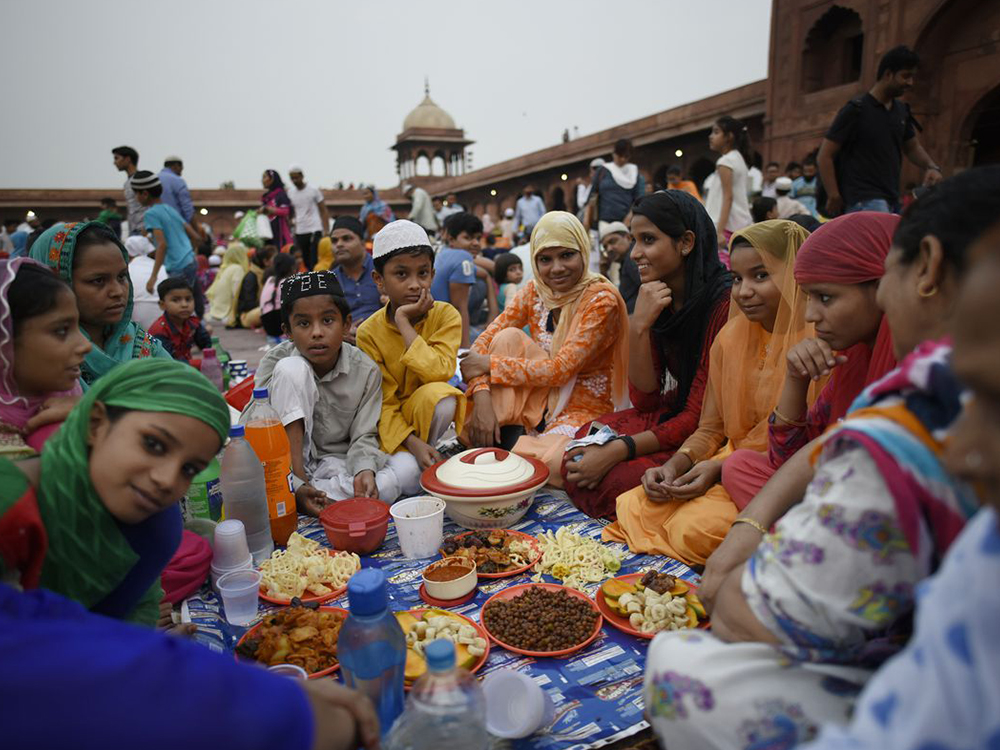
Ramadan – The Month of Fasting
Why should we fast? Almighty God states in the Holy Quraan: “O you who believe! Fasting has been made obligatory upon you as it was made obligatory upon those before you, so that you may develop Taqwa (self-restraint).” (2:183) What is Taqwa?
It is the state of heart that motivates virtuous conduct and prevents evil action. Love for Almighty God and fear of Almighty God leads towards Taqwa.
Muhammad the prophet
The Holy Prophet Muhammad (Peace and Blessings be upon him) addressed his companions on the eve of this blessed month: “People, a great and blessed month has come upon you.
Almighty God has made fasting during it an obligation. Whoever undertakes an act of obedience to Almighty God during this month with a righteous deed, it is as if he has performed an obligatory act. And whoever performs an obligatory act during this month, it is as if he has performed seventy obligations.
It is the month of patience, and the reward for patience is Paradise. It is the month of goodwill during which provisions are multiplied.” It must be remembered that fasting and sins do not go together.
We are family and friends
The Holy Prophet Muhammad (Peace and Blessings be upon him) has said: “Almighty God has no need for the hunger and the thirst of the person who does not restrain from telling lies and acting on them even whilst observing fast.”
He has also indicated that: “When one of you is fasting he should abstain from indecent acts and unnecessary talks, and if someone begins an obscene conversation or tries to pick an argument, he should simply tell him ‘I am fasting’.”
Ramadan provides an annual training opportunity that is meant to fulfil the character-building needs for the rest of the year. Many of us wonder as to which type of character-building needs are provided during Ramadan. The following benefits are acquired during fasting: God-fearing nature, patience, self-control, self-discipline, responsibility, obedience and purification of the soul.
Fasting and Addiction
The reason for fasting has been manufactured and remanufactured to motivate people to fast for centuries.
This motivation is deemed compulsory because fasting is by no means an enjoyable walk in the park.
In truth, it has to be said that fasting is a great effort and, come as a burden to most. Moulanas and Aalims have succeeded in getting people not to talk of this burden by condemning all who talk negative about fasting.
We are told as children that it is a grave sin to complain about fasting. We were also taught that when fasting: We bring a great deal of pleasure to Allah.

We open up doors in heaven that will otherwise not open if we do not fast. We experience what it is like to be poor and without food.
The first two reasons are universal to all religions. Hindus and Christians also speak of great spiritual reward when fasting. These reasons are designed to encourage people to fast and believe it or not, they work fantastically.
The third reason lacks a bit of common sense, I would say, because a poor man does not know when his next meal will be available while the person who fasts know that there is a feast waiting for him after Magrib. This is definitely not a poor person’s experience.
Other reasons for fasting are presented by medical researchers who stipulate that fasting is good for high pressure and detoxing the body.
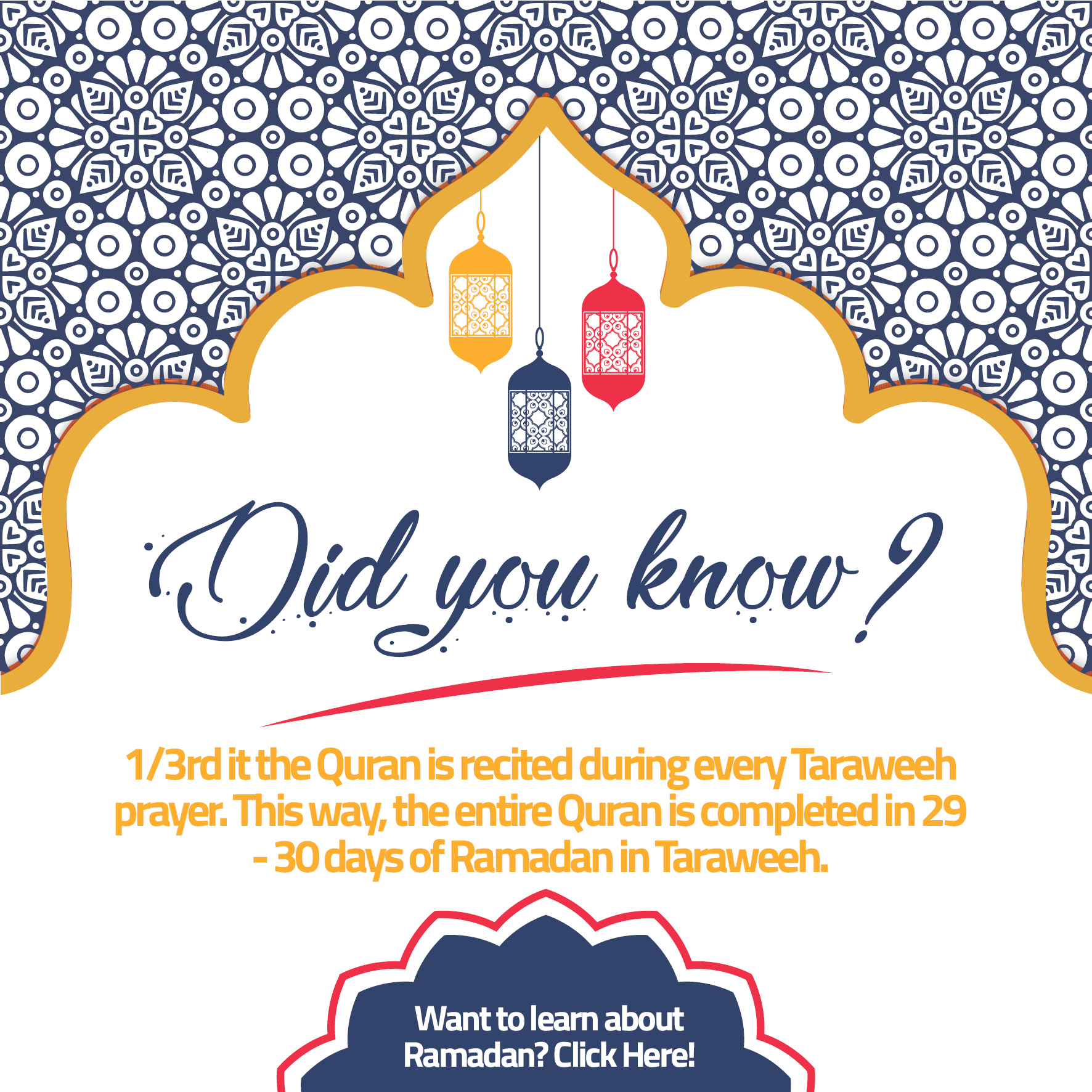
They also proclaim that it is the safest way to lose weight. Personally, I do believe that fasting carries with it medical benefits, it should, it is a command for Allah.
In the same breath I would say that Allah did not command us to fast so that we can look like models. The reasons presented by both the religious and medical expects somehow lack conviction and are open for huge debate.
So, what then are the essentials of fasting? Since it is Allah who commanded us to fast, it is most appropriate that we turn to Allah for this answer. Allah never disappoints.
Allah commands in the Quraan, ‘Fast so that you may learn self.’ A few years ago, our family was bombarded with the burden of drug addiction. And while we try to alleviate the problem with severe physical beatings and expensive drug rehabilitation centres.

We learnt that drug addiction was an almost impossible vice to shake off. In my tormented and vigilant attempt to alleviate this new disease that is attacking almost every family in our community, I discovered that smoking fell into the same category and strong addictions.
In a matter of true justice, I realised if I demanded that the youngsters give up drugs, I had to give up cigarettes. For almost a full year I battled relentlessly to give up smoking with much success.
My dissappointments led me to believe that it was impossible for drug addicts to evade drugs.. I began blaming the drug dealers and the new drugs that were on the market.
Fasting and Addiction by Ismail Adams
This usless existence led me to pray to Allah for help. Allah in his mercy sent his help in the next Ramadan that dawned apon me. As always, it was easy not to smoke that Ramadan.
With this ease came the knowledge that fasting was the cure for addiction. It had to be for Allah says “Fast so that you may learn self restraint”. I gave up smoking immediately.
Every time I had the urge to smoke, I fasted. Without even knowing it, my years of fasting presented the strength to give up smoking.
Today, we have alleviated seventy percent of the drug problem in our family and while some give credit to the severe beatings, others give credit to the rehabs.
I know better, Allah deserves all the credit. The youngsters who had given up drugs all fasted for atleast ten years prior to the incident. In them was a strength that overcame the addiction.
Even though, they did not realise it, They have learnt self restraint for ten years, they were saved. The other thirty present did not fast.
Their parents neither wanted them to experience what poor people experience nor to diet. Ultimately though, these youngsters did not learn self restraint, they still wonder in the realms of a horrible addiction. Their only hope is to learn self restraint.
My advice is that we encourage our children to fast and teach them the power of self restraint. Combat the cruel addictions of the modern world and let them know that if you can fast, you can achieve anything, Allahu Akbar.
Read original story on lowvelder.co.za

