
Rare Nipah virus cases reported in India: No threat to South Africa
Authorities confirm no Nipah virus infections in South Africa, but urge the public to stay informed as cases emerge in India.
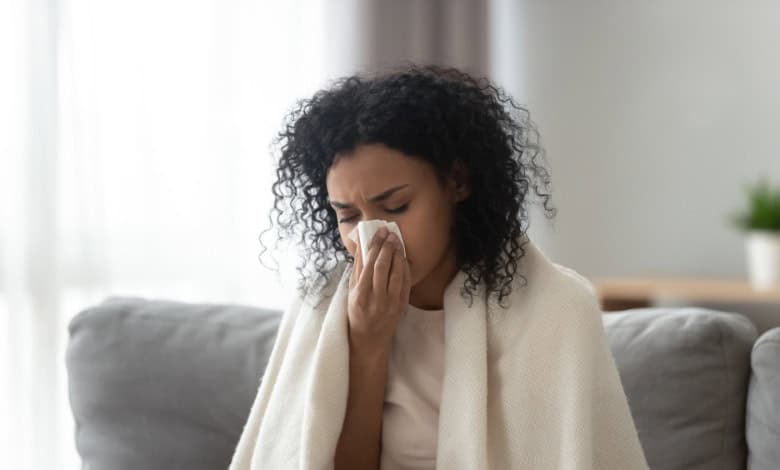
Reports of rare viruses understandably cause concern, but health authorities have confirmed there is no need for alarm in South Africa following recent reports of Nipah virus cases in India.
According to the Zululand Observer, the Department of Health, working closely with the National Institute for Communicable Diseases (NICD), has confirmed that there are no cases detected locally and no need for screening at ports of entry.
The situation is being closely monitored and the public will be kept informed should anything change.
What is the Nipah virus?
Nipah virus is a rare but serious zoonotic virus, meaning it can spread from animals to humans. It was first identified in 1999 in Malaysia and is named after the village where the first known patient lived.
The virus belongs to the same family as measles, but unlike measles, it is not highly contagious, although it is significantly more severe.
Globally, fewer than 800 cases have been reported since it was first identified, making it extremely rare.
How is Nipah transmitted?
Nipah virus is mainly found in parts of Asia, where fruit bats are natural carriers. Transmission can occur through:
- Direct contact with infected animals, particularly fruit bats or pigs
- Eating fruit or fruit products, such as raw date palm sap, contaminated by bat saliva or urine
- Very close contact with an infected person, such as caring for them without proper protection
Note: Casual contact does not spread the virus.
What are the symptoms?
Symptoms usually appear four to 14 days after exposure and often start with flu-like signs, including:
- Fever and headache
- Muscle pain and sore throat
- Vomiting
- Cough or difficulty breathing
- In severe cases, the infection can affect the brain, leading to confusion, seizures, coma and, in some cases, death
How dangerous is it?
Nipah virus has a high fatality rate, with more than half of infected patients not surviving.
There is currently no specific vaccine or treatment, although supportive medical care can significantly improve outcomes if cases are detected early.
Because of these factors, the virus is classified internationally as a high-risk pathogen. However, outbreaks remain small, localised and rare.
Nipah outbreaks occur nearly every year in parts of Asia, including Bangladesh, India, Malaysia, the Philippines and Singapore, with Bangladesh recording the highest number of infections.
What does this mean for South Africa?
According to the Department of Health and the NICD:
- There is no immediate risk to South Africa
- No cases have been detected locally
- No public health restrictions or screenings are required
- Laboratory testing capacity exists if needed
- Good hygiene practices remain the most effective prevention method
Where can you find out more?
For verified updates and health guidance, residents are encouraged to consult official sources:
- NICD: www.nicd.ac.za
- South African Department of Health: www.health.gov.za
- World Health Organisation: www.who.int
Breaking news at your fingertips… Follow Caxton Network News on Facebook and join our WhatsApp channel.
Nuus wat saakmaak. Volg Caxton Netwerk-nuus op Facebook en sluit aan by ons WhatsApp-kanaal.
Read original story on www.citizen.co.za

