
SA’s sugar industry set to lose R723m
Ongoing power cuts have a disastrous effect on cane growers in KZN and Mpumalanga, according to SA Canegrowers.
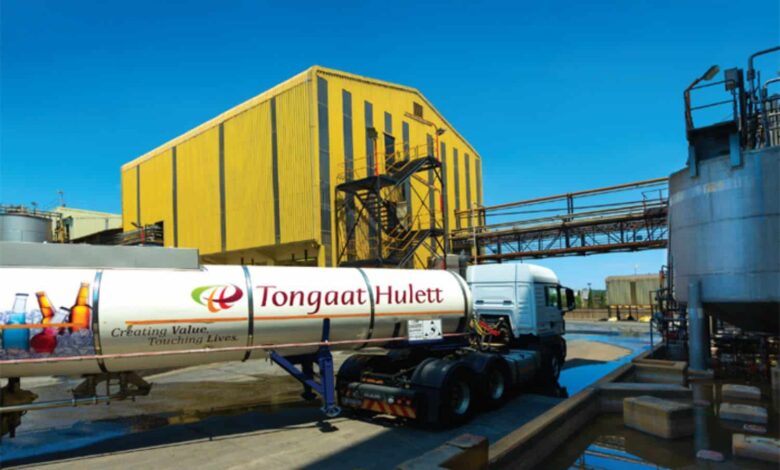
SA Canegrowers says the South African sugar industry is set to lose R723 million this year due to load-shedding.
It said in a press statement that with milling giant Tongaat Hulett in business rescue, and the destructive health promotion levy already hampering the industry, these losses were potentially catastrophic for growers and the industry’s workers.
The organisation has made an appeal to government to put short-term measures in place to mitigate the impact of load-shedding on growers while long-term solutions are considered.
“Load-shedding affects 1 135 irrigated growers who employ more than 10 000 workers. An estimated 34% of South Africa’s sugarcane is produced in irrigated areas including Komatipoort and Malelane in Mpumalanga, and Pongola in KZN,” SA Canegrowers chairperson Andrew Russell.
Load-shedding affecting South Africa’s sugar cane
Russell explains that growers are expected to incur more than R189m in additional energy costs in 2023 on account of the disruption to irrigation schedules.
He adds that most irrigated growers in KZN and Mpumalanga operated on a Ruraflex system which allowed them to pay a lower tariff for operating during low demand times.
“However, the converse also applies – growers pay a significantly higher rate for pumping during peak demand times. As a result of load-shedding, growers have been forced to irrigate whenever electricity is available, regardless of demand.
“In addition to the increased cost of energy, growers also face yield losses as they have fewer hours of continuous energy supply. Growers need a minimum of six hours of continuous energy for proper irrigation. As a result of the intermittency of the power supply disrupting irrigation, irrigated growers will lose up to 40% water capacity. The resulting loss of yield could amount to more than R723m,” he says.
SA Canegrowers’ scenario modelling showed that continuous load-shedding at stages 4 to 6 will cost growers more than that amount this year.
Higher stages, bigger problems
An escalation to stages 6 to 8 could cost the industry more than R1.8b. Anything beyond stage 8 could cost the industry more than R2.4b.
“The continuation of load-shedding without any arrangement to enable irrigation will also have long-term implications. Sugarcane stalks left in the ground can produce cane for up to 10 years. Insufficient irrigation not only reduces cane quality and causes yield losses, but it will also lead to increased stool mortality, significantly shortening the lifespan of the cane.”
Russell says growers already faced significant headwinds, adding that they were appealing to Eskom and government to help the industry in particular, as well as the broader agricultural sector, to find urgent solutions to mitigate the impact of load-shedding.
“Some of the short-term measures SA Canegrowers has asked government to consider include restricting load-shedding to stage 4 in irrigated cane growing areas during peak watering season; diesel rebates for growers utilising generators; and tax rebates for those investing in alternative energy sources.”
Read original story on www.citizen.co.za

