
South African centenarians share secrets to living past 100
From knitting blankets for orphaned rhinos to cheering on school rugby from the sidelines, four seniors reflect on their lives.
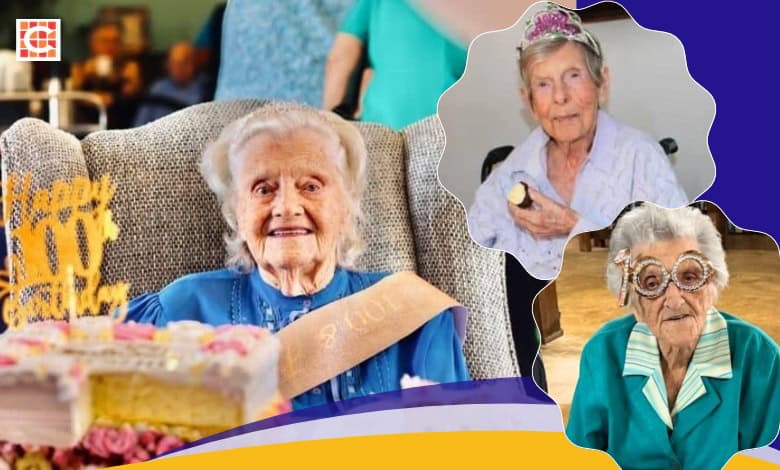
What is the secret to a long life? Four remarkable people who have reached 100 and beyond have stories that span generations, from leading active lifestyles to dedicating their lives to giving back.
Dorothy Dell never imagined she would reach 100, but she celebrated the milestone on Tuesday (November 24).
According to the Northcliff Melville Times, she was born on a farm in a rondavel alongside her twin sister and was one of six siblings.
Dell and her twin moved to Johannesburg as teenagers and, after matriculating, eventually began working and building their lives in the city.
Looking back on his childhood, her son Steve says his mother encouraged her children to pursue whatever they chose, from sport to academics. He fondly remembers her attending his rugby matches and cheering him on.
“I’m grateful that I’ve lived so long and that the Lord has been good to me through the years,” says Dell.
Her birthday was celebrated with other residents at Montgomery Haven in Johannesburg, with a family celebration planned for today (November 28).
Active lifestyle
Pamela ‘Pam’ Kilpin from KZN turned 103 on November 9.
Highway Mail reported that her son, Tim, says his mother was born in Cape Town before moving to Westville in KZN, where she spent most of her life. She later moved to nearby Kloof, where she now lives at Peace Cottage.
He adds that his mother led an active life and enjoyed the company of others.
Giving back
Elaine Valda ‘Val’ Snape, also from KZN, turned 100 on November 6.
According to the Highway Mail, Snape was born in KwaBhaca (formerly Mount Frere) in the Eastern Cape but later moved to Durban to live with an aunt so she could attend school at Penzance Primary School and later the Durban Business College.
Both her parents died when she was young.
Snape has dedicated much of her life to charity work and continues to give back by knitting blankets for the sick and orphaned wild animals, including rhino and hippo calves.
Healthy life
Joey Cornelisse, a resident at the Germiston Association for the Aged in Ekurhuleni, Gauteng, celebrated her 100th birthday on October 26.
According to the Germiston City News, she was born on a farm in the Magaliesburg region and had 12 siblings.
Her son, Bertus, says his mother was a housewife who loved cooking, baking and sewing.
“She lived a healthy life. I have never seen her smoke or drink alcohol. She always took a small portion of food.”
Build a life beyond retirement
Shaun Victor, a qualified social worker and manager of Rand Aid’s Thornhill Manor Retirement Village in the East of Johannesburg, challenges the idea that old age is simply a period of decline.
He believes staying active and purposeful can help people age well and maintain their independence for longer.
- Plan for life after work: Retirement can mean losing the structure, identity and social contact that a career provides. Develop hobbies, relationships and meaningful activities before retirement arrives.
- Keep body and mind busy: Retirement should not mean doing nothing. Staying physically and mentally active can help reduce illness and injury and make everyday life easier.
- Stay connected and purposeful: Older people need more than care – they need connection, respect, choice and a sense that their experience still matters.
- Give your days some structure: Retirement is not a perpetual holiday. A routine, planned activities and even simple chores can give each day purpose and a reason to get up and get dressed.
- Keep learning and doing: Activities that challenge the body and mind help maintain function as we age. As the saying goes, use it or lose it.
- Accept help when you need it: Asking for assistance is not giving up independence. Recognising your limitations and accepting help can help you remain independent longer.
Keep moving for a healthier brain
Johannesburg biokineticist Julia Wright highlights the important role regular physical activity can play in healthy ageing – including maintaining brain health and independence.
- Move for your brain: Regular physical activity supports cardiovascular health and blood flow, while helping protect against cognitive decline.
- Mix it up: No single exercise does everything. Combine aerobic activity, strength training, balance exercises and everyday movement for a more rounded approach to healthy ageing.
- Build strength: Strength training helps preserve muscle and bone strength, making everyday activities easier and supporting independence.
- Protect your balance: Balance and functional exercises improve co-ordination and can help reduce the risk of falls.
- Make movement a habit: Walking, cycling, swimming and water aerobics are accessible ways to stay active consistently.
- Start where you are: If you have become less active, start slowly and build up gradually. It is never too late to become more physically active.
- Break up sitting time: Even a few minutes of movement during long periods of sitting can help keep the body active.
Gradually work towards 150 minutes of aerobic activity a week, strength exercises twice a week and balance exercises three times a week.
Breaking news at your fingertips… Follow Caxton Network News on Facebook and join our WhatsApp channel.
Nuus wat saakmaak. Volg Caxton Netwerk-nuus op Facebook en sluit aan by ons WhatsApp-kanaal.
Read original story on www.citizen.co.za