
South African refugee’s hopes for a new life end in tragedy
Loneliness, depression and a struggle to find work marked the final weeks of a Boksburg woman who left South Africa hoping to build a better future.
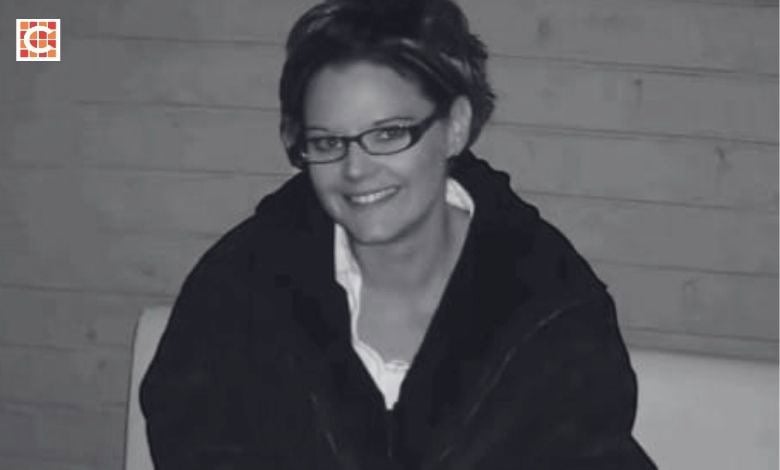
Instead of a fresh start, Carin Cilliers (49) died by suicide in Houston, Texas, on Tuesday (September 8) – just more than two months after arriving in the country.
Before emigrating, Carin lived in Bardene, Boksburg, on Gauteng’s East Rand. She ran her own business and was a passionate horse lover.
A traumatic decision
Her cousin, Yolandé Cilliers, also left South Africa under the programme earlier this year.
“I left because I feared for my life after several major traumatic events happened to me. One of those events also affected Carin,” Yolandé says.
Carin arrived in the US on June 30 and was initially sent to San Andreas, California. She later moved to Texas, where she had a US contact, reportedly after struggling with loneliness.
Yolandé says she and Carin had not spoken since June for personal reasons, but she knew Carin wanted to return to South Africa.
Mental health in a foreign country
According to Yolandé, Carin had suffered from depression and had previously been diagnosed with bipolar disorder.
Her mental health has prompted questions about the medical screening required for people entering the refugee programme.
Caxton Network News contacted the American embassy by email for comment on the mental health screening process. The embassy’s response will be added to this article as soon as it is received.
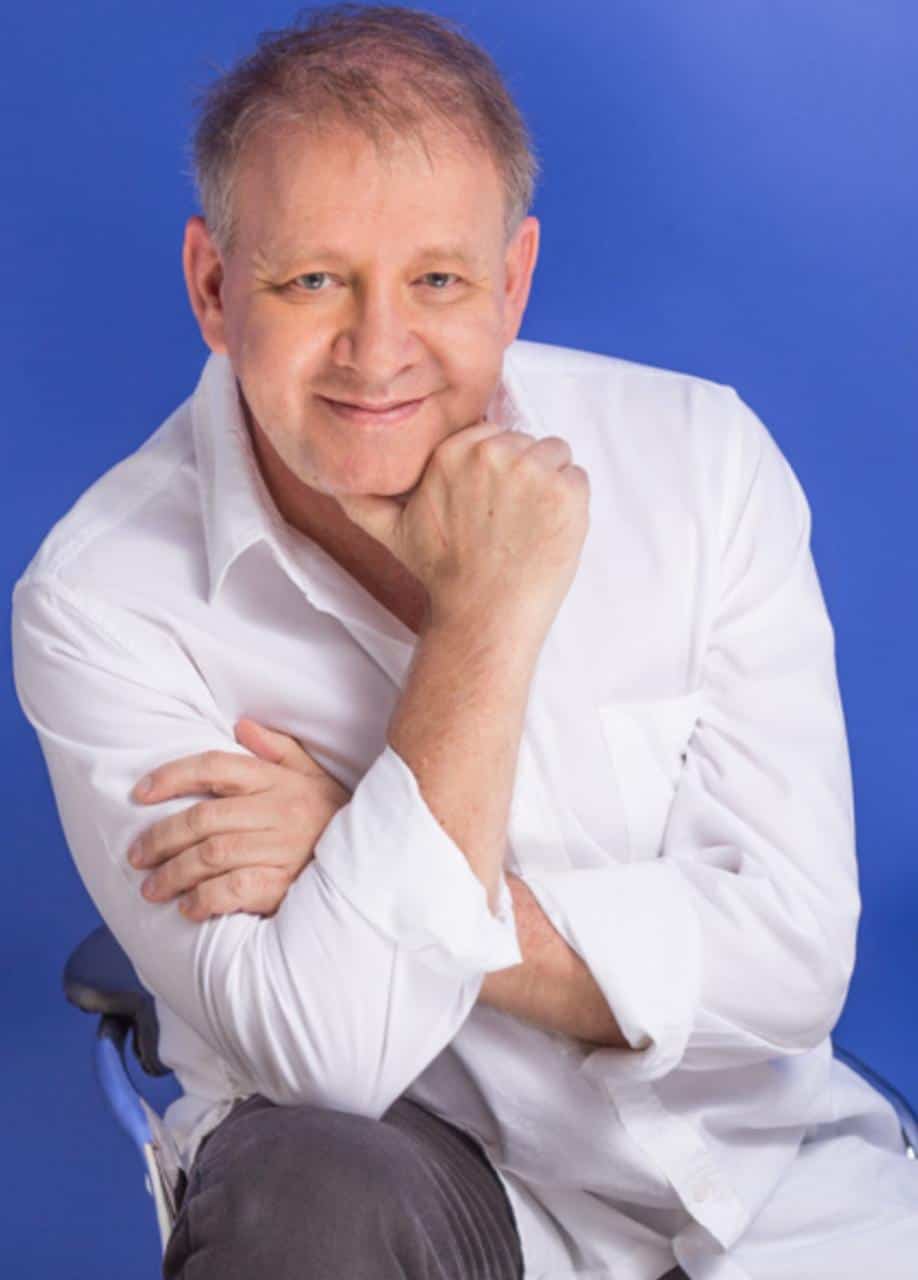
Lianda Alkema, a South African refugee and recruiter for an American-based recruitment agency in Texas, says mental illness does not automatically exclude applicants. “The programme does not discriminate against mental illnesses,” she says.
Research published in the International Journal of Environmental Research and Public Health highlights the challenges of providing refugees and asylum seekers with timely and appropriate mental health care.
It notes that delays in refugee resettlement and disruptions to support programmes can increase uncertainty and isolation.
Early screening and treatment for common mental health conditions are considered important, although researchers caution that the screening process itself can potentially retraumatise vulnerable people.
According to several sources who asked to remain anonymous, various mental health and well-being support programmes are available in the US.
Dr Hermann Liebenberg, a psychologist from Pretoria, believes the US is more open about mental health than South Africa.
“We must understand that expectations and American culture are different from those in South Africa. Sometimes, people with bipolar disorder do not want to seek the help they need,” he says.
Liebenberg believes applicants should undergo individual mental health assessments before being approved for the refugee programme.
He suggests that refugees’ first step should be to connect with fellow South Africans who share their culture and beliefs. “They will become your anchor, especially if you are alone,” he says.
Carin had an impressive CV
Alkema had known Carin for some time and described her as a compassionate woman with ‘a very impressive CV’.
Finding employment proved difficult, however, and Alkema believes this may have added to the challenges she faced.
“I usually tell the refugees that the perfect job does not come overnight. Some refugees expect to walk into a managerial position, but the reality is that you have to start at the bottom and work yourself up the ranks again,” she says.
“In America, your qualifications and job experience are irrelevant,” another refugee and social media influencer, Nerine Beukes, says.
It is not easy to start over
Carin’s death comes as other South Africans in the refugee programme have spoken publicly about wanting to return home.
“Many people think it is easy to start over. It is not, especially when you are taking on this journey alone,” says Yolandé.
She says the South African Women in the USA and Canada’s WhatsApp and Facebook group supports refugees by providing a platform for them to communicate with one another and share their details in case of an emergency.
Yolandé has launched a fundraiser to help cover the costs of travelling to Houston, arranging Carin’s cremation and dealing with her remaining affairs.
World Suicide Prevention Day
Today (September 10) marks World Suicide Prevention Day, which aims to raise awareness that suicide can be prevented and encourage people to talk openly about mental health.
The South African Depression and Anxiety Group advises people to look out for warning signs, reach out to someone who may be struggling and seek professional help, with its Suicide Crisis Helpline available 24 hours a day on 0800 567 567.
If you are currently living in the US and need help, support is available. If you or someone you know is struggling or in crisis, contact the 988 Suicide & Crisis Lifeline by call, text or chat. The SAMHSA Disaster Distress Helpline also provides support from trained crisis workers who can listen and help connect you with appropriate resources.
Breaking news at your fingertips… Follow Caxton Network News on Facebook and join our WhatsApp channel.
Nuus wat saakmaak. Volg Caxton Netwerk-nuus op Facebook en sluit aan by ons WhatsApp-kanaal.
Read original story on www.citizen.co.za

