
Spiking attacks surge: Tshwane motorists urged to stay vigilant
AfriForum has been monitoring trends relating to traps that criminals use to get motorists to stop their vehicles on major routes.
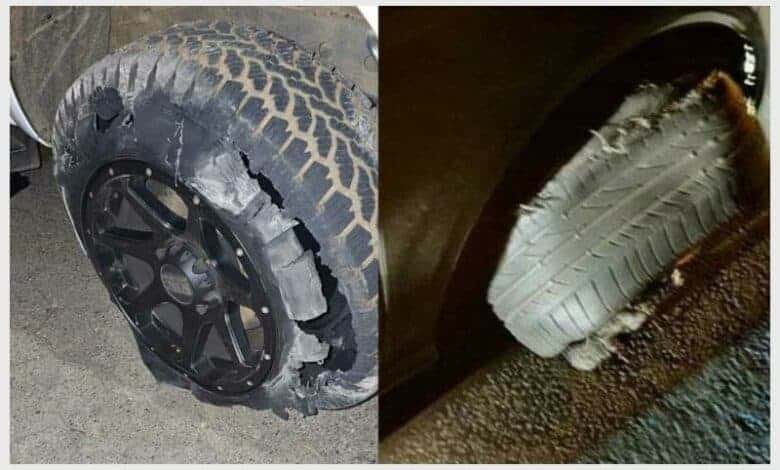
Motorists in Pretoria are being warned to remain alert as spiking attacks on the city’s main routes continue to increase.
These dangerous road traps, which involve the use of iron spikes, rocks, and other hazards to target unsuspecting drivers, have led to robberies and, in some cases, fatalities.
According to an article published by Pretoria Rekord, on Friday evening, a disturbing spiking incident unfolded on the N1 North highway, leaving the victim shaken but unharmed.
Police spokesperson Captain Johan van Dyk says the incident unfolded between 01:55 and 02:10. At the time, Sinoville SAPS was conducting routine patrols and was alerted to the situation.
He says the victim, travelling alone from Johannesburg to Tzaneen, had his journey interrupted when two unknown men allegedly threw stones in front of his vehicle, causing a sudden tyre burst.
According to AfriForum Community Safety spokesperson Jacques Broodryk, incidents that have been recorded in Pretoria and surrounding areas in the past few months occurred more frequently on the N1, N4, N12, N14, R566 and R80.
However, the organisation warned that incidents are not limited to these routes.
“We urgently appeal to motorists to stay vigilant of spiking traps on main routes in the Pretoria area. Since last year, AfriForum has been monitoring trends related to traps in which iron spikes, rocks and other items are used to target, rob and, in some cases, kill motorists.
“However, the occurrence of traps was still alarmingly common in the past few months, and AfriForum’s neighbourhood watches will now intensify their efforts to combat spikings and other related crimes on roads and assist victims.”
He says certain trends have emerged from the data that AfriForum has collected on these crimes.
“This shows, among other things, that although these crimes occur any day of the week, the attacks mainly occur during the night and the early hours of the morning.”
Broodryk says it was also found that the perpetrators work in groups of two to 10 people and are usually armed with anything from sharp objects, such as knives, to firearms.
“Criminals use various techniques to force vehicles to stop, including placing spikes on the road, placing dummies on the road to look like injured people, using rocks to create roadblocks, or throwing rocks at moving vehicles from overhead bridges [to force] the driver to stop or lose control of the vehicle and crash.”
According to Broodryk, AfriForum’s neighbourhood and farm watches in the areas adjacent to these hotspots will continue to intensify their efforts in these areas.
“We have also developed a specific training module to empower our patrollers to deal with this crime effectively.”
He encourages the public to report all incidents to the SAPS and their closest AfriForum neighbourhood watch.
The organisation also urges the public to follow these important safety measures to protect themselves from such incidents:
- Do not stop your vehicle under any circumstances after an incident where the tyres, windscreen, or other parts have been damaged. Continue driving as far as possible until you reach a safe destination.
- Contact local neighbourhood watch groups, security companies or emergency services as soon as possible to report the incident. Provide detailed information about the object used in the trap and its location to help prevent further attacks on other motorists.
- Ensure your phone is fully charged before embarking on your journey.
- Share your location with loved ones, especially when travelling alone.
- Stay alert and develop the habit of scanning the road ahead for potential threats, suspicious objects or people on or next to the road.
- Store emergency contact numbers of local emergency services, neighbourhood watches or security companies on your phone.
- Consider installing an emergency response app, such as AfriForum’s free 911 panic button app, available on the Google Play Store (for Android devices) and the App Store (for iOS devices).
Read original story on www.citizen.co.za

