
Train carrying coal derails at Dassieshoogte
A train with 208 ‘wagons’ carrying export coal was on its way to Richards Bay when it derailed at Dassieshoogte, KwaZulu-Natal on Saturday, July 3.
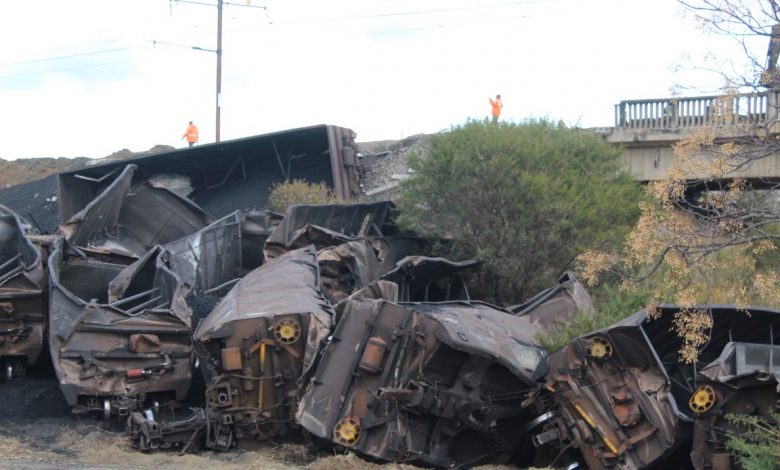
30 of the wagons derailed, but fortunately no injuries were reported. According to Transnet, a derailment occurred in the same spot in 2009.
This is the second significant derailment on the coal line since the beginning of this financial year. These accidents have a severe impact on the SA coal value chain, the customers, Transnet and the South African economy overall.
A spokesperson for Transnet said they declared Line 2 safe for the running of trains at around 15:00 on Sunday (July 4), but with a speed restriction.
For the next couple of days, the line would be operational as a single line for approximately 11km. At the moment, Transnet employees are working at the scene to clear the wagons for repair to commence on ‘line 1’.
Group Chief Executive Portia Derby, Freight Rail Chief Executive Sizakele Mzimela and their teams are responsible for the investigation into this incident. This includes Technology Management and Transnet Engineering, who all visited Dassieshoogte on Sunday.
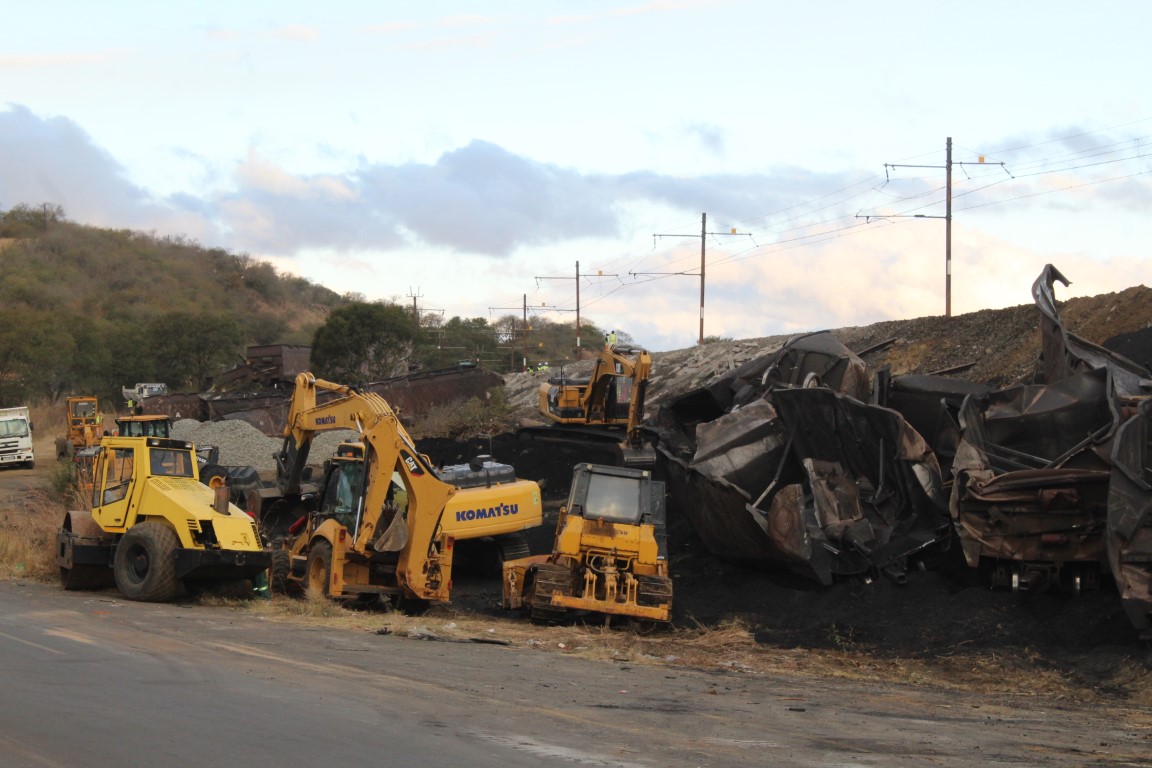
Transnet confirmed that they want to create a sense of urgency in identifying the ‘root of the cause’ of the derailment. Furthermore, they are identifying similar trends regarding derailments in recent months to conclude possible causes and contributing factors.
“What is clear to us is that things have to change. There are serious risks in a recovery system based on emergency procurement, which may be open to abuse not only internally, but by suppliers who benefit from such incidents occurring. As part of addressing this challenge, we will be insourcing more of this work, and reducing our reliance on external service providers. This is the operating model Transnet had used many years ago, which was subsequently changed over the years. Much of this skill is still available within the organisation and needs to be utilised more optimally.
“We will additionally be requiring proper certification of partners at our facilities. Not only must our partners be suitably qualified, they must be contractually accountable for non-performance. This should ensure a more transparent and accountable relationship between all the role players responsible for the success of these corridors. We are progressing well with setting up new structures that have been introduced in order to see increased authority to Corridor Executives and their leadership teams. The aim is to increase accountability while increasing the speed of execution,” explained a spokesperson in a media release from Transnet.
Read original story on northernnatalnews.co.za

