
Tuks champions gender diversity
The University of Pretoria is hard at work to better include the needs of trans, intersex, gender non-conforming and non-binary staff and students. Two video interviews unpack the issues around people who do not identify as male or female.
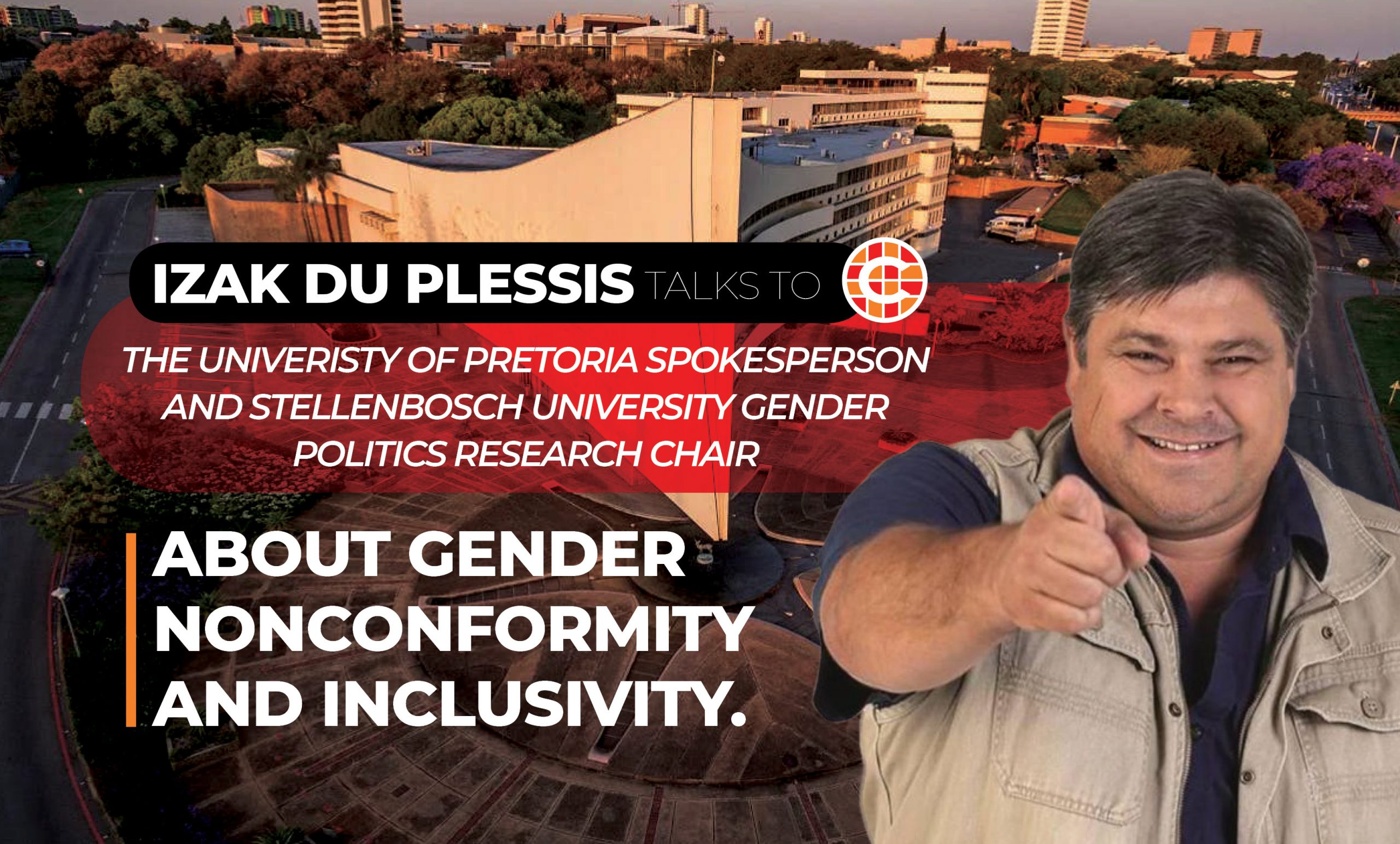
The spokesperson for the University of Pretoria, Rikus Delport, says their newly announced stance on gender sensitivity is a protocol to create conversation about gender equality and diversity and how people feel about their own sexuality.
Delport was commenting on reports that the university is implementing new gender rules and reviewing traditional forms of address.
“It’s really a process we started to get all interested parties into the conversation and to help them develop guidelines on how to deal with the issue,” says Delport.
According to Delport the ultimate objective is to make the university more inclusive.
He says it is early days still, and the result depends on what everyone involved in the process comes up with.
“This is not something that is forced upon everybody else, but merely a process that will hopefully deliver guidelines and a policy, but no one will be excluded in the process,” says Delport.
The process was started by the university’s Centre for Sexualities, Aids and Gender. Delport says they do a lot of research in this field and realised there is a need to include other students in the broader campus experience.
According to Delport, the different student bodies on the campus can help inform and educate people about gender diversity.
“This is new to all of us; it is not something we get confronted with every day, so we need to get a better understanding of this, and make a contribution,” says Delport.
WATCH: Journalist Izak du Plessis’ interview with Delport:
Understanding gender identity
Professor Amanda Gouws, who holds a research chair in gender politics at Stellenbosch University, says the fact that gender issues are new to most people, must be an encouragement to work towards the acceptance and understanding of other people.
“If we talk about gender nonconformity, it means that people do not conform to the most often used binary construction of gender,” says Gouws.
According to her there are a variety of other gender identities that do not conform to the binary construction [where people are categorised as either male or female].
“In the light of this, we need to understand that relationships among genders are fluid and that gender is a construction. This gives people more scope to be honest and open about their sexual identities. The important thing is that people should respect that,” says Gouws.
She says everybody has the right to make a choice about their sexual identities and orientations.
WATCH: Du Plessis chats to Prof Gouws:
Read original story on rekord.co.za

