
TUT to benefit from a multi-million project to strengthen learning
“We saw the need to create a network of experts in higher education, that will be able to reform the sector, from the inside out.”
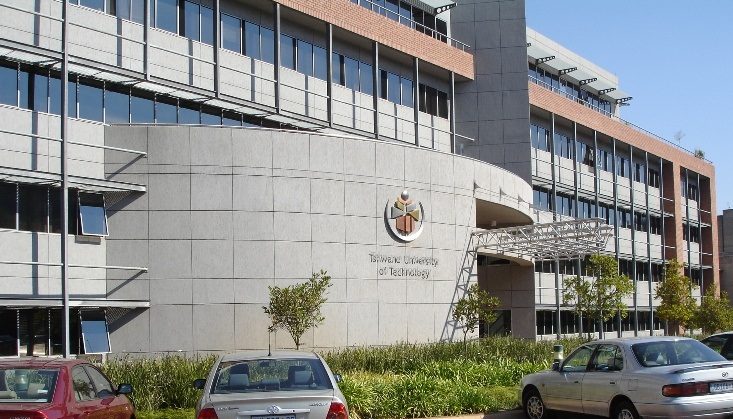
Tshwane University of Technology is to benefit from a multi-million rand grant to boost teaching and learning strategies.
The €754 834 (roughly R13-million) project will benefit a number of institutions of higher learning by creating a network of experts to impart knowledge.
Funded by the European Union to help fast-track the South African Technology Network of universities THENSA, the project was designed to set up a community of practice and a network of higher education reform experts in South Africa.
The project is borrowed from a European model and key participants include the South African Technology Network, Cape Peninsula University of Technology, Central University of Technology, Durban University of Technology, University of Venda, Walter Sisulu University, South African Qualifications Authority, OBREAL Global, Cork Institute of Technology, Politecnico di Torino, UBFC (Burgundy and Franche-Comté), Tampere University of Applied Sciences and Kungliga Tekniska Högskolan.
Project co-ordinator Dr Sershen Naidoo said there was a crisis in higher education due to the effects of the coronavirus pandemic, economy and racial issues in universities.
“We saw the need to create a network of experts in higher education, that will be able to reform the sector, from the inside out.”
Naidoo said this would be done through having seasoned academics with younger academics to continue a community of practice.
He said these embedded experts would now create an opportunity of practice, to better prepare students “for the new normal”.
Naidoo said as much as the project was not South African, a unique spin to keep it local would be examined.
He said this spin would be implemented by ensuring that students formed front and centre of the project’s purpose.
The project also aimed to better prepare graduates for the workforce, by concentrating on competence-based learning, work-integrated learning and entrepreneurship.
“This project has been transplanted from Europe, into an African body with different needs, and through these needs we aim to change the 32.5% unemployment figure in South Africa,” Naidoo said.
TUT deputy vice-chancellor Dr Vathiswa Papu-Zamxaka said the funds for the project would go a long way to assist in achieving the following objectives:
- Empower SA technical universities to devise and revise strategic plans for development of innovative curricula that integrate, the fourth industrial revolution for competence-based learning, work integrated learning and entrepreneurship education, leadership and research.
- Consolidate a sustainable network of leadership-endorsed higher education reform experts in SA universities that will be agents for change and guiding strategy development.
- Develop higher education reform capacity through Europe-SA training and practice sharing activities.
- Implement revised strategic plans by providing technical assistance to SA universities in areas such as the university academic leadership development, innovative curricula development and entrepreneurship education.
Director at Higher Education Development Support Dr Muthaz Banoobhai said the project had special significance in light of the global pandemic and its dramatic impact on South African universities as well as the South African higher education sector in general.
“This serves as an important opportunity to strengthen EU-South African university co-operation in teaching and learning,” said Dr Banoobhai.
Read original story on rekord.co.za

