
Warning: Beware of rabies this festive season
While rabies can be fatal, it can be prevented by having your animals vaccinated.
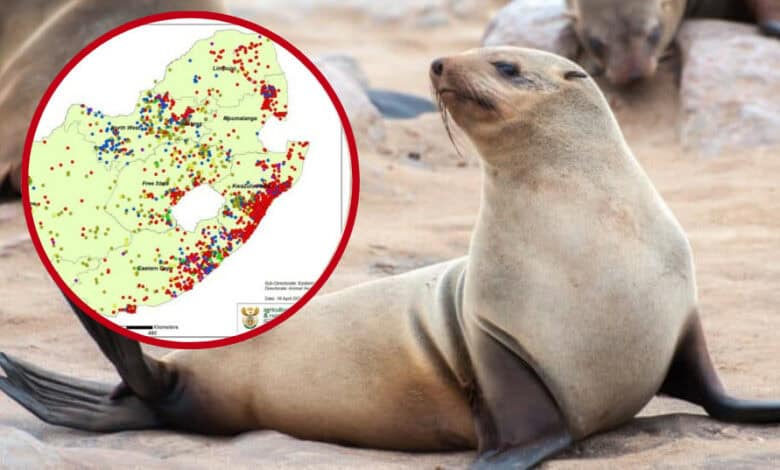
As the festive season approaches, government has issued a public warning about a heightened risk of rabies in dogs, Cape fur seals and other animals.
A joint media statement from the departments of Agriculture; Forestry, Fisheries and the Environment; Health; and the National Institute for Communicable Diseases explains that rabies is a deadly viral disease that affects all mammals and can be transmitted from animals to humans.
“The virus is spread through the saliva of infected animals via bites, scratches and licks. Rabies affects the brain and is fatal once clinical signs appear in a person or animal,” the statement says.
However, rabies can be prevented by vaccinating animals.
“Anyone exposed to an infected animal should seek immediate medical attention.”
Aggressive seal attacks and rabies deaths
In recent months, multiple reports of Cape fur seals attacking humans along the Cape coastline have emerged.
“This is the first instance of rabies being maintained in a marine mammal population. The public is urged to be aware of this new risk of rabies in Cape fur seals and to maintain a respectful distance from these animals,” the statement reads.
This year, there have been fatalities in KZN, the Eastern Cape, Limpopo and the North West from rabies contracted through dog bites.
“The public is urged to avoid stray animals and not touch animals they do not know. If an animal is suspected of having rabies, it should be reported to the local state veterinary office, welfare authority, wildlife rescue centre, Protected Areas Management Authority or the police.”
How to recognise rabies in animals
Rabid animals display abnormal behaviour and signs of brain disease.
Symptoms may include excessive drooling, paralysis, difficulty swallowing, continuous vocalisation (such as barking, whining or howling), aggression, or even weakness and a comatose state.
Any mammal can become infected with rabies, including dogs, cats, livestock, jackals, foxes, mongooses and Cape fur seals.
Where does rabies occur in South Africa?
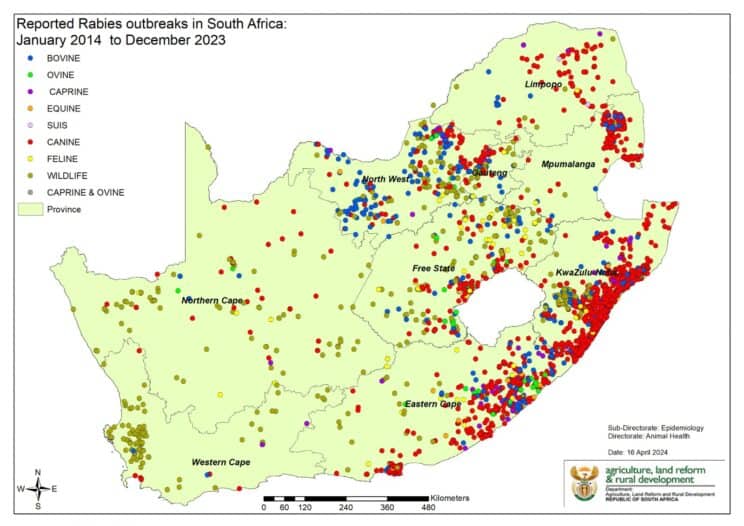
Rabies is present in all nine provinces, with dogs in KZN, the Eastern Cape and Limpopo being most commonly affected.
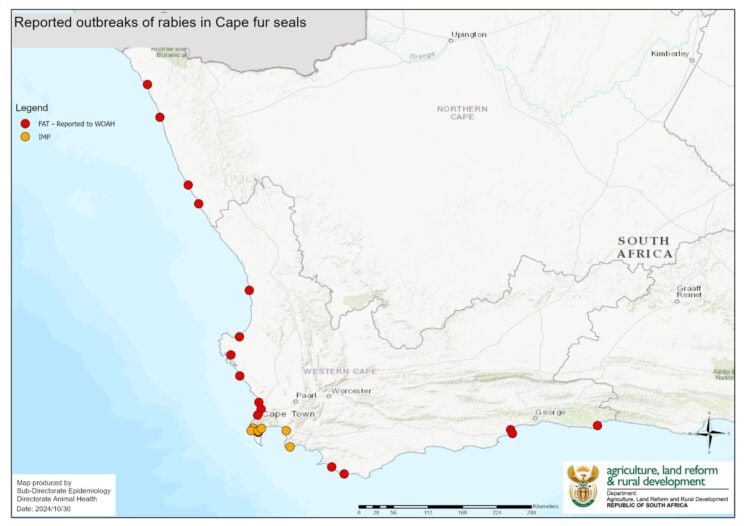
“Rabies in Cape fur seals has been found along the coastlines of the Northern Cape, Western Cape and Eastern Cape, extending to Algoa Bay.
What to do if bitten or scratched by a rabid animal
If you are bitten, scratched or licked by an animal suspected of having rabies, wash the wound thoroughly with soap and running water. Then seek immediate medical treatment at the nearest clinic or hospital to prevent infection.
How to keep your animals safe
All dogs and cats are legally required to be vaccinated against rabies, throughout their lives.
“If you walk your dogs, ensure they are kept under control or on a leash to prevent contact with other animals.
“Contact your local state veterinarian, animal health technician, private veterinarian, or animal welfare organisation for information about rabies vaccinations.”
Read original story on www.citizen.co.za

