
Watch: Huge Limpopo python goes viral after farm relocation
An enormous python filmed during relocation on a Bela-Bela farm has sparked attention and renewed focus on snakes’ role in pest control.
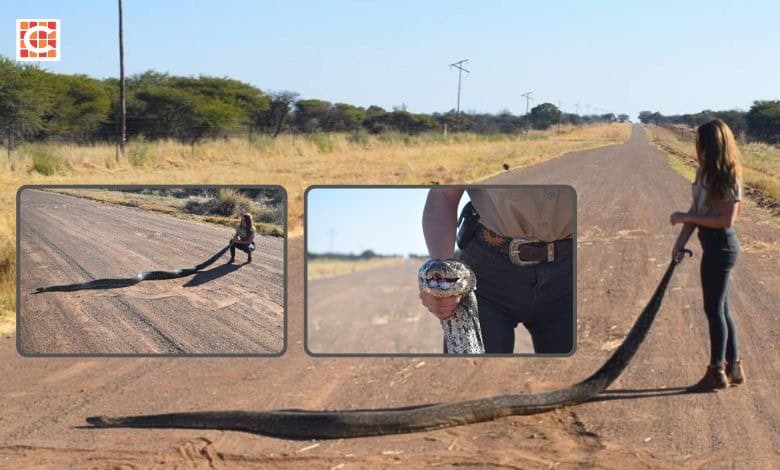
For over four years, Lize Marais (22) knew about a massive python on their farm in the Bela-Bela area of Limpopo. Besides two brief sightings (one by the then farm manager and the other by a worker) and a single image of the snake on a trail camera, little was known about it until recently.
That changed in June when the roughly 4.7m snake was spotted and safely relocated.
On Monday, Marais shared information, video footage and photos of the relocation in a Facebook post that captured South Africa’s attention, with the images going viral.
Marais, who works in the game industry and also farms, says she did not share the information earlier to ensure the snake’s safety. Python numbers are declining, and she notes they are often killed out of fear or for traditional medicine. Pythons are protected under national and provincial laws and listed under the Convention on International Trade in Endangered Species of Wild Fauna and Flora. Killing one is a criminal offence under the National Environmental Management: Biodiversity Act 10 of 2004, with penalties including fines or imprisonment.
The capture
According to Marais, who was born in Pretoria and moved to Bela-Bela eight years ago, there have never been any incidents with this large lady. “She avoids people, and that is why we were so lucky to see her. Right moment, right time and right area.”
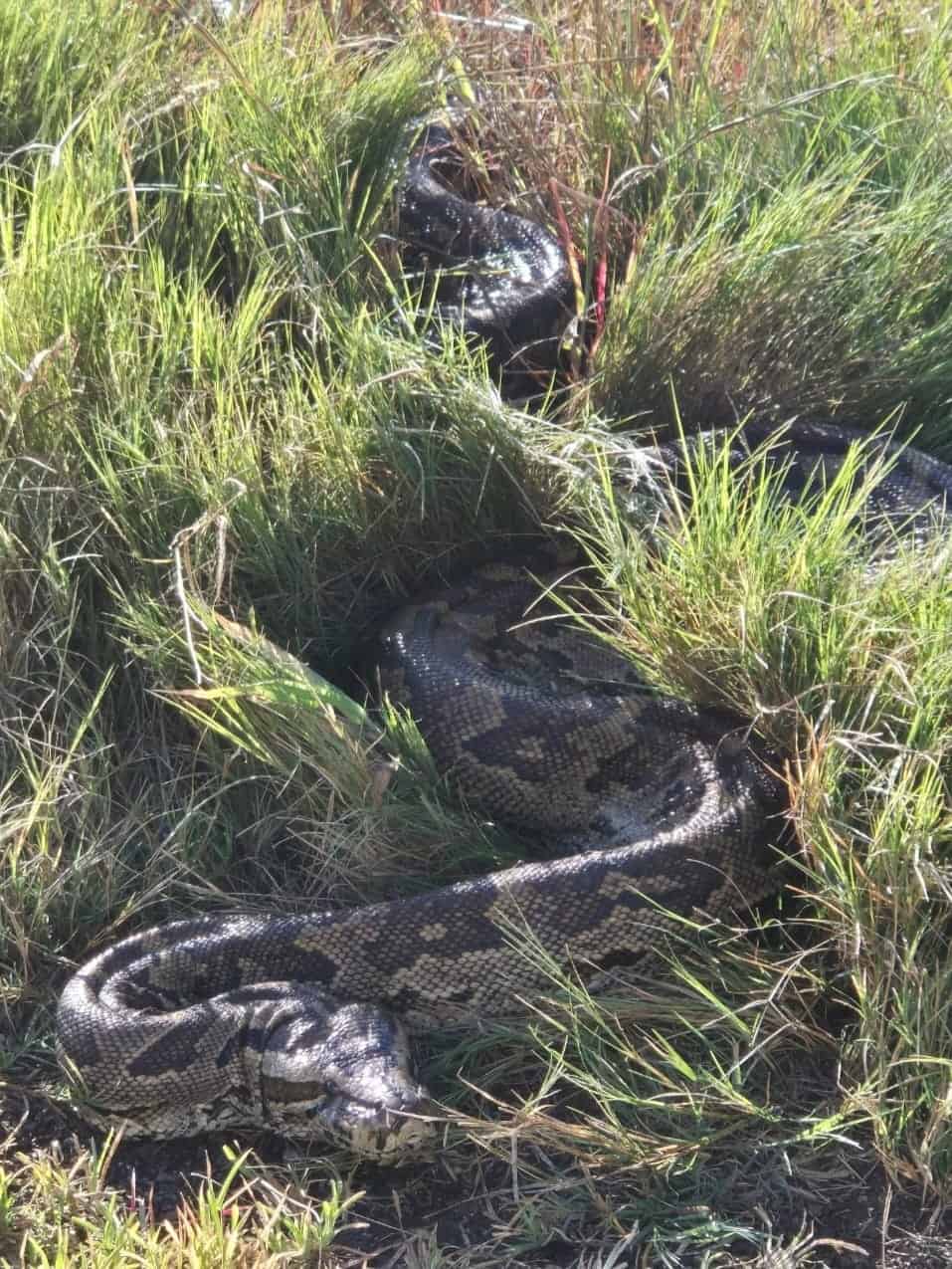
On the day of the encounter, a friend spotted a large snake basking in the sun. When Marais arrived, she found the female alongside a smaller male. She says they made the decision to relocate it for its own safety after monitoring its tracks. The snake had begun moving closer to the main road, which posed a serious threat and could have been fatal if it fell into the wrong hands.
She says that over the years, she noticed that many pythons seem to have their own personality. “It might sound strange, but other snake handlers and enthusiasts would be familiar with this.”
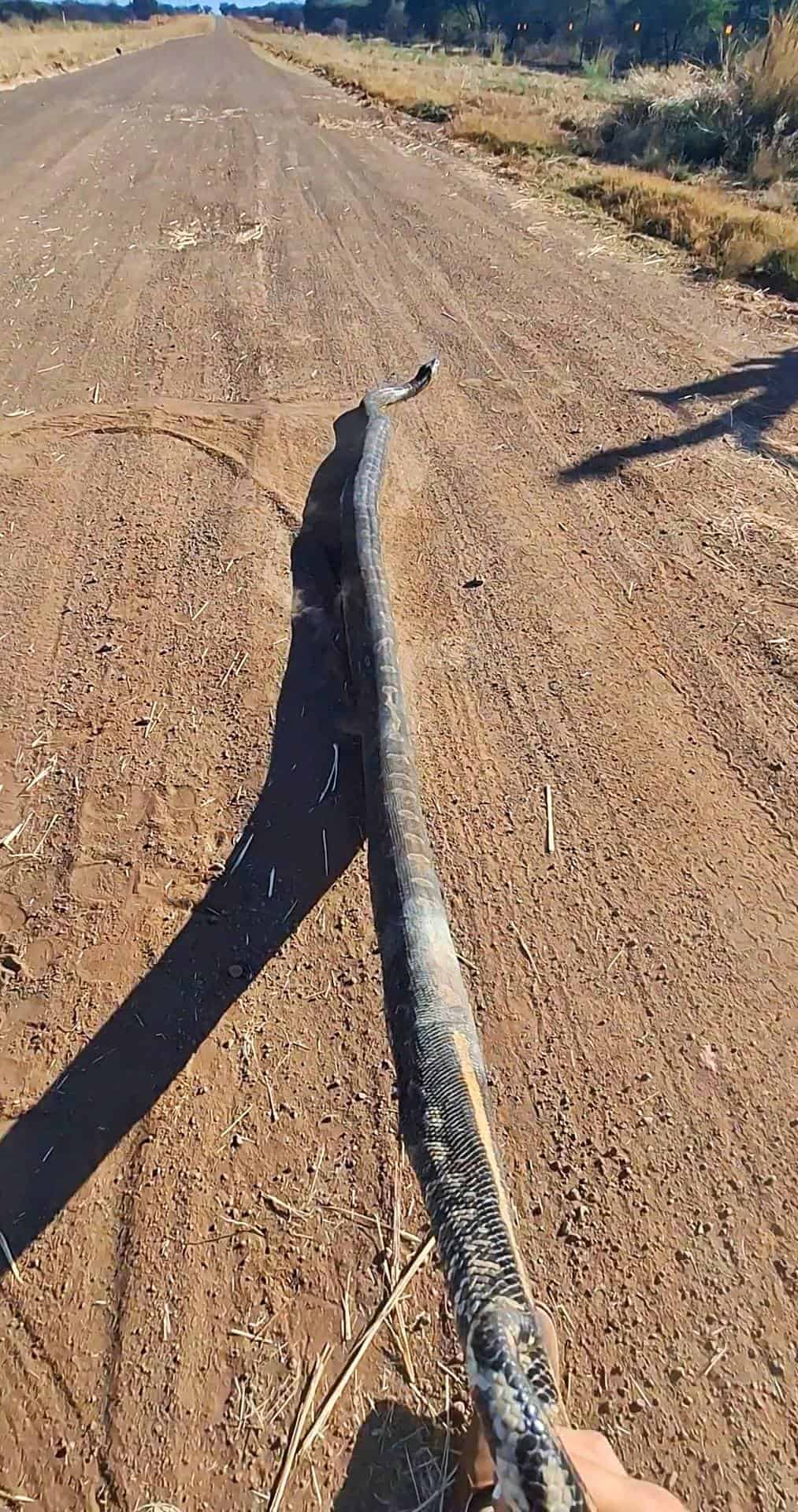
This ‘massive lady’, she says, was very relaxed and curious.
“I wish I could’ve spent more time with her, but we focused on releasing her back into nature as quickly as possible. Her gentleness stood out a lot to me – she was very relaxed, almost as if she understood that she was not being harmed.”
Marais confirms the snake was a Southern African python (Python natalensis), which is fairly widespread in South Africa. It is often confused with the African rock python (Python sebae), which is usually found across West and Central Africa.
The snake was captured using professional snake-handling tools from the African Snakebite Institute. Due to its size, it was placed in a modified canvas box with added ventilation. It was relocated to a nature reserve that accepts snakes, although the exact location is being withheld for safety reasons.
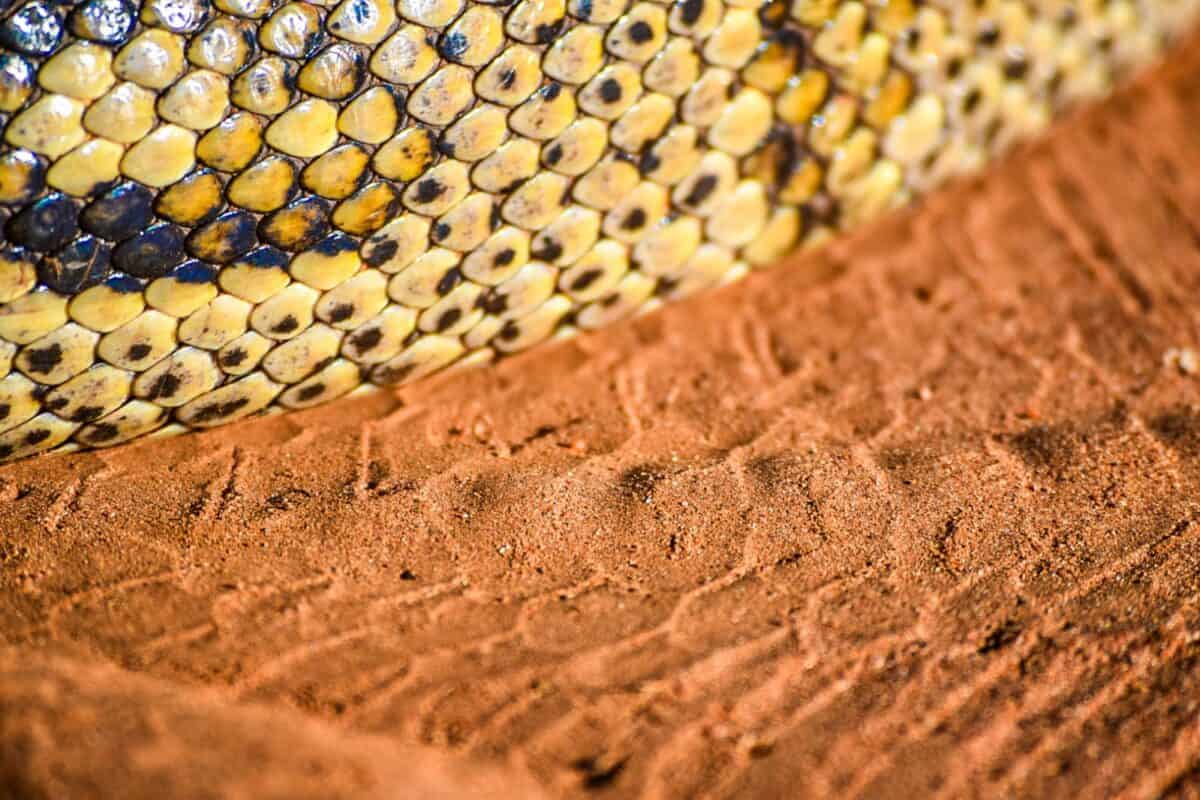
“Unfortunately, the male was a bit more skittish and moved fast, so he didn’t give us enough time to relocate him as well.” She says snake tracks show side-to-side movement from lateral undulation. According to her, larger pythons leave smooth spoor about 15–20cm thick, sometimes with visible scale patterns in thicker sand.
Marais mentions it is uncommon to see a python of this size, although the Bela-Bela area is known for large specimens. “We currently have a 4.5m female in the area, and I relocated another 4.3m-long female not long ago.”
She says it is important to contact a qualified snake handler if you encounter one. “There’s a common misconception that pythons will ‘hunt’ or charge at you, but they will only defend themselves if they feel threatened.” Never block their escape route, she advises, adding that if you encounter a snake in the wild, you should stay still and allow it to move away.
Conservation insights and social media reaction
Marais adds that, contrary to belief, large pythons eat infrequently, sometimes only once every four months. They play an important role in pest control by consuming large numbers of rodents.
“A big python like her can survive by eating one larger prey animal (like a rabbit, jackal or even an impala) every four-plus months. Pythons are exceptional for pest control. Some consume 150-plus rats and mice per year.”
Marais believes the buzz around this python provides a good platform to educate people about snakes and the positive impact they have on the environment.
She says the post received varied reactions. “I really appreciated the genuine questions from some viewers. It gave me the opportunity to educate a bit more on pythons and I enjoyed sharing the experience with other nature enthusiasts.”
Marais adds that the python is likely larger than the 4.7m recorded with a tape measure, as it kept its muscles contracted during measurement. “I spoke to someone on Wednesday who saw her on his farm. He sent me some pictures of her, and he believes that she exceeds 5m in length.”
Watch the video:
Also read: Watch: Massive python scares man working from home in Mbombela
Breaking news at your fingertips… Follow Caxton Network News on Facebook and join our WhatsApp channel.
Nuus wat saakmaak. Volg Caxton Netwerk-nuus op Facebook en sluit aan by ons WhatsApp-kanaal.
Read original story on www.citizen.co.za

