
Who will pay for the e-tolls?
Since implementation of e-tolls in December 2013, the scheme has been met with public hostility with motorists refusing to pay. This led to President Cyril Ramaphosa appointing a task team to resolve the impasse over e-tolls back in 2019, however a decision has not been tabled to the public.
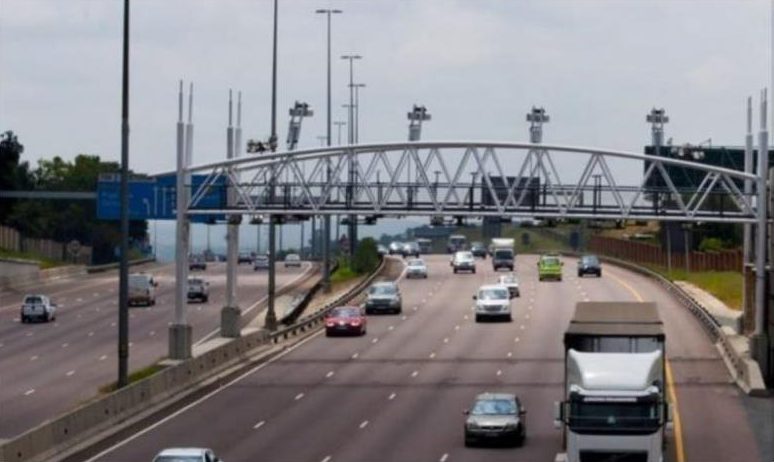
With the elections around the corner, the government will be forced to bear the brunt of the Gauteng freeway improvement project (e-tolls) costs one way or another, an economic analyst has said.
Political and economic analysts believe the decision on the future of e-tolls has an influence on the elections, as in 2016 elections, the ANC lost political leadership of Tshwane and Johannesburg metros after mounting calls for scrapping of e-tolls came to nothing.
Director and chief economist of Econometrix Dr Azar Jammine said the number of people paying the scheme diminished significantly to around 20% and with the government investing some money towards fixing the roads it was not enough to cover the costs of 80% of motorists not paying.
“Any efforts to try and force people to pay would just turn into a mess, so essentially the government will have to fund the e-tolls.”
Jammine said although the debt on the e-tolls was predicted to be smaller than debt at state-owned entities like Transnet, it would be an additional burden on the state’s fiscals.
“Should the government not scrap the e-tolls, there would be resentment from millions of people. This will have an impact on the elections; it will definitely cost them votes, that’s why the Gauteng government is adamant on scrapping the system.”
Jammine said he believed that the fuel levy system was one of the methods the government could use to fund the system.
Economic impact of e-tolls
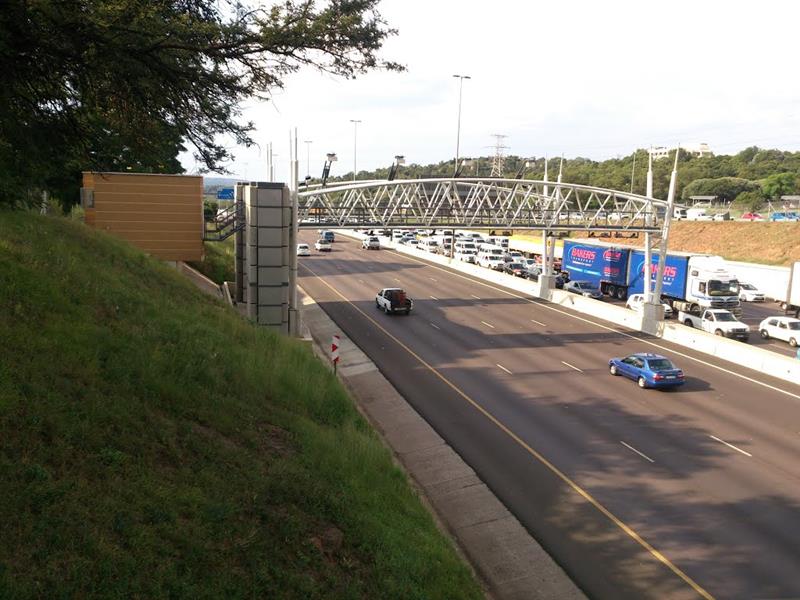
Speaking on the economic aspects of a decision on e-tolls, economist Mike Schussler said whether as taxpayers or motorists, the public would eventually pay for the e-tolls whatever the government’s decision might be.
“The economy needs certainty. Firms that have been paying, car rental agencies and car tracking companies need to know and plan if they should continue paying,” he said.
“Should the government not scrap e-tolls, it would see many people stuck with hefty bills having not made payments over the years.”
Meanwhile, political science professor at the University of South Africa Dirk Kotze said the government dragging its feet in coming to a decision on the future of the e-tolls over the past few years, was because of a clash of views within government itself.
Government’s views
Recently, the clash of views were apparent when Gauteng MEC Jacob Mamabolo in an interview with the SAfm commented that the e-tolls “have been scrapped”. This despite the national government not yet announcing a decision.
Transport department spokesperson Ayanda Allie-Paine made it clear that the comments by Mamabolo were simply the stance of the provincial government on the matter and no decision has been taken by the national government.
Kotze said the government was facing a debacle of public opinion against paying e-tolls in Gauteng, which had an impact on local government elections or having the state fork out money to fund the scheme.
“The ANC lost votes back in 2016 because of this, and the provincial government does not fully support the e-tolls. But the national government says that the debt on the system is so much that it cannot pay it and it must be a user-pay principle with motorists continuing to pay for it.”
Previously, finance minister Tito Mboweni said that the e-tolls would not be scrapped and that motorists would have to pay, whereas the Gauteng provincial government wanted them gone.
Kotze said the latest reports of lack of funds in the national government have exacerbated debates on the financing of the e-tolls with the issue continuing to linger with no specific decision taken.
Although the government provided millions of rands for the bailout of institutions like Eskom and South African Airways, he said government stalled on the e-tolls as they were only affecting one province and not nationally.
He said if the government would make an announcement on the proposed scrapping of e-tolls, it was likely to be close to the election time in October.
Future of e-tolls
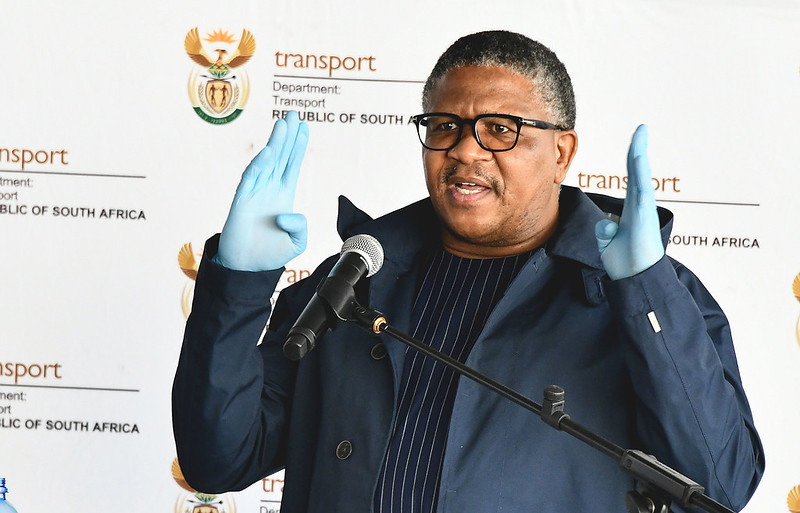
Briefing the national assembly on the department of transport’s 2021 budget vote last month, minister Fikile Mbalula said the decision on e-tolls was “not easy”.
While no decision has been announced, Mbalula said his department had proposed nine possible solutions and that the government was on the verge of resolving the issue.
“We are, however, near to finding a solution for this matter, a sustainable and attainable decision within the available framework,” he said.
Read original story on rekord.co.za

