
Writing future press freedom headlines
South Africa’s media is largely self-regulated – given that, what can the industry do to enhance media freedom?
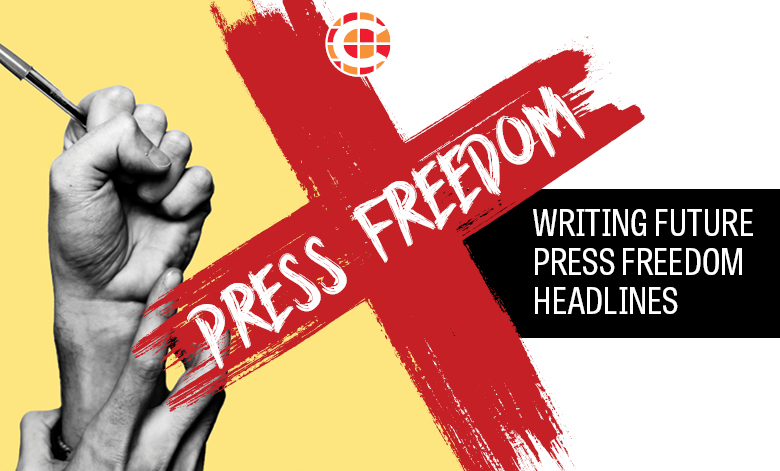

World Press Freedom Day, celebrated two days ago (May 3), presented an opportunity for the sector to reflect on what it can do differently to contribute towards greater press freedom.
We asked the question of a few media experts.
Executive director of the Press Council of South Africa, Latiefa Mobara – “It is important for all journalists to work towards creating a credible media that can be trusted by the public. Journalists need to follow established values and practices of their craft by adhering to the core principles of journalism, such as producing news that is fair and accurate and acting independently.
“They should support self-regulation mechanisms, be accountable to their readers and promote ethical practices in journalism.”
Acting executive director of the South African National Editors’ Forum (Sanef) Hopewell Radebe – “The media must remain organised and lobby through the correct channels as a united force to make a difference. As Sanef, we have come to understand how parliament works. This means we make representation directly to relevant authorities when it comes to fighting to change certain legislation or clauses in legislation that will impact the ability of reporters to do their work.
“In a bid to enhance press freedom, we must maintain a presence in the provincial and national legislatures and strengthen our research capabilities to ensure we don’t wake up one day and face legislation that will curtail and or inhibit our freedom.”
Independent media researcher Kate Skinner – “We should collaborate more effectively as an industry. Big media players should support the small community players in partnerships that could mutually benefit both. For instance, the community media sector could share important stories outside the big metropoles.
“There is also lots of space for training and capacity building at an industry level. Sanef will be embarking on a major local government elections training project for the industry. We should do more of this,” she says.
Caxton – a fierce defender of public rights
The 118 local newspapers published by Caxton in South Africa play an integral watchdog role in the communities in which they publish. “Being so active at grassroots level has afforded local newspapers the opportunity to hold businesses and the lower levels of government accountable for their actions,” says Irma Green, national group editor: Caxton Local Newspapers.
“Even in the digital era, the printed versions of community publications are still highly respected due to the impact they have. We consider ourselves pillars of our democracy and hold ourselves to the highest standards when we publish.”
Caxton is a member of the Press Council of South Africa and adheres to the Press Code, which not only guides the media’s conduct, but offers members of the public a platform to seek recourse when Press Code transgressions occur.
“If not for the media, the corrupt in our society would not have been brought to book and exposed. The freedom of the press needs to remain intact in any democracy and as publishers, we have a massive responsibility to make sure we use this freedom to unearth whatever wrongdoings affect our communities.”
More about #pressfreedom in South Africa
Press Freedom: ‘Information as a Public Good’
Press Freedom: Current threats in South Africa

Press Freedom: Platforms for journalists to make their voices heard

Press freedom: Sanef probes journalism ethics

Press freedom: Do not fall for fake news!

Press freedom: Under quarantine or in the clear?


Read original story on rekord.co.za

