Overcoming range anxiety: A guide for electric vehicle drivers
Many electric vehicle owners experience range anxiety, but a change in mindset could be the solution. Discover how to alleviate this concern and make charging your EV a seamless part of your routine.
Are you one of the many electric vehicle (EV) owners who worry about running out of charge while on the road?
You’re not alone. According to a study by Chalmers University of Technology in Sweden and the University of Delaware in the USA, range anxiety and charging speed are common concerns for new and potential EV drivers. However, researchers suggest that a shift in refuelling mindset, rather than battery size or performance, could ease these worries.
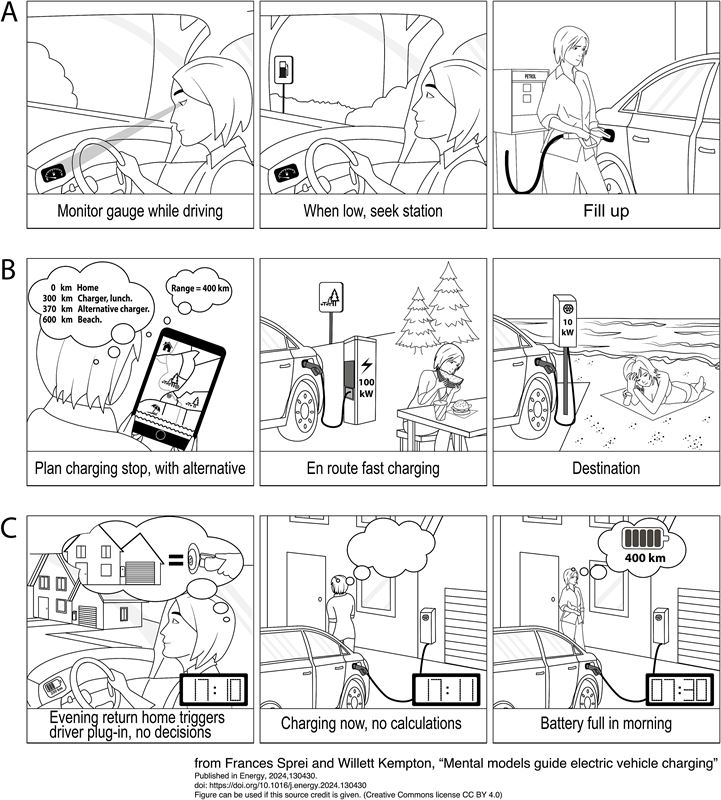
Three refuelling behaviour models
- Monitor fuel gauge model: Refuelling when fuel runs out, typical for petrol or diesel cars.
- Planning a trip model: Planning refuelling stops along a journey.
- Event-triggered model: Automatically plugging in when arriving home or work, ideal for EV usage.
Optimal charging behaviour
Experienced EV users integrate charging into their daily routine, making it less of a hassle. Plugging in at home or work, where people spend extended periods, reduces the need for roadside charging. This approach requires the right infrastructure in these locations.
Battery size and range anxiety
Contrary to popular belief, you don’t always need the biggest battery. Research suggests that a slightly smaller battery can suffice for most everyday driving needs. Fast charging on the go is costlier and may affect battery health compared to slow, overnight charging.

Conclusion
For everyday driving, charging your EV can be simple and cost-effective, especially when integrated into your routine. By shifting your refuelling mindset and prioritising convenient charging locations, you can alleviate range anxiety and enjoy a seamless EV experience.
For more details on this research, you can access an open-access article “Mental Models Guide Electric Vehicle Charging” published in the journal Energy here.
Source: Chalmers University