Women rev up automotive industry: Breaking mechanical barriers
Female apprentices challenge stereotypes, proving skills and passion drive success in the motor trade.

International Women’s Day sees a surge of inspiration as three determined women, Zetu Mase, Nasiefah Corker and Nokanyo Xobololo, near completion of their motor mechanic apprenticeships at the College of Cape Town, a centre of specialisation.
These apprentices, part of a cohort of 32, are set to challenge traditional perceptions within the automotive sector.
Having navigated a demanding three-year programme, these women are eager to demonstrate their capabilities. Mase emphasises the valuable qualities women bring to workshops: “Dedication, attention to detail, and strong planning skills are inherent. It’s about skills, not gender.” She calls for ending stereotypes, advocating for equal opportunities and guidance.
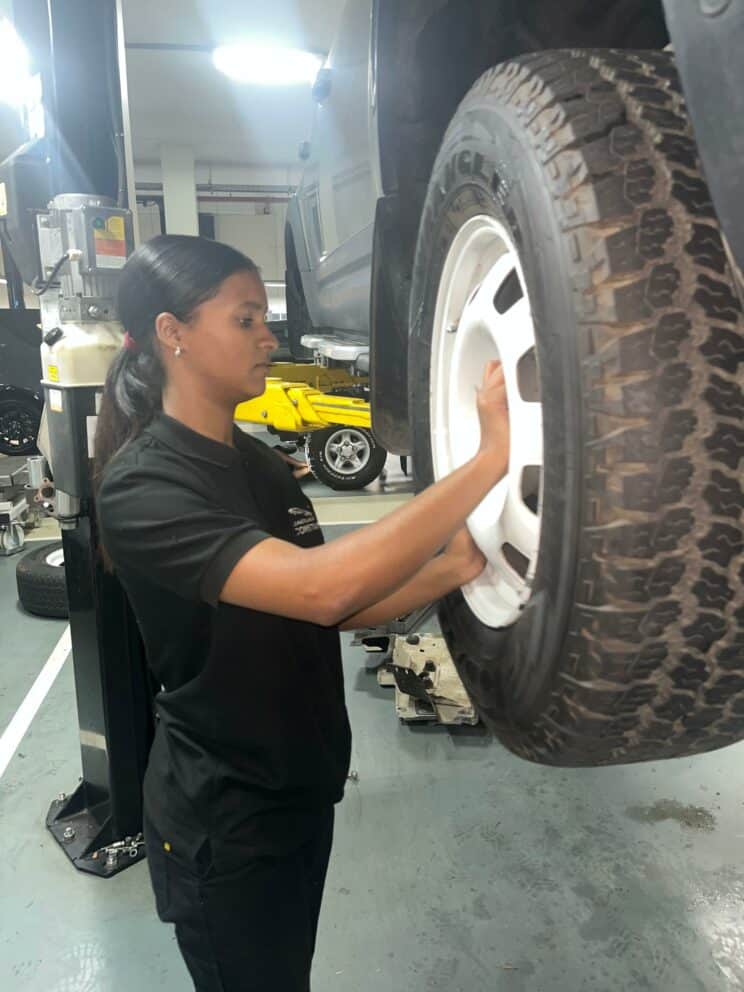
Corker, who grew up fascinated by her father’s car repairs, echoes this sentiment. “I was always captivated by how cars worked.” Despite initial physical challenges, she learnt to embrace her progress, urging other women to persevere. “Don’t be put off. Hard work and passion will earn you respect.”
Xobololo, initially unfamiliar with the automotive world, was encouraged by a lecturer who highlighted the industry’s need for female mechanics. “He said companies value female mechanics and that it offered diverse career paths,” she explains. “We’re just as capable as men, and there are many opportunities beyond being a mechanic.”
Their training, supported by the Retail Motor Industry Organisation (RMI), included hands-on experience at prestigious dealerships like BMW, Toyota, and Land Rover, as well as independent workshops. Louis van Huyssteen, national director training for the RMI, stresses the importance of these employer partnerships. “This collaborative approach ensures apprentices gain technical expertise and respect.”
Rasheed Adhikari, a college facilitator, highlights the programme’s success in securing employment. “Over 90% of our apprentices secure permanent positions,” he states, emphasising the practical training and industry connections. This ensures job security, a vital factor for many graduates.
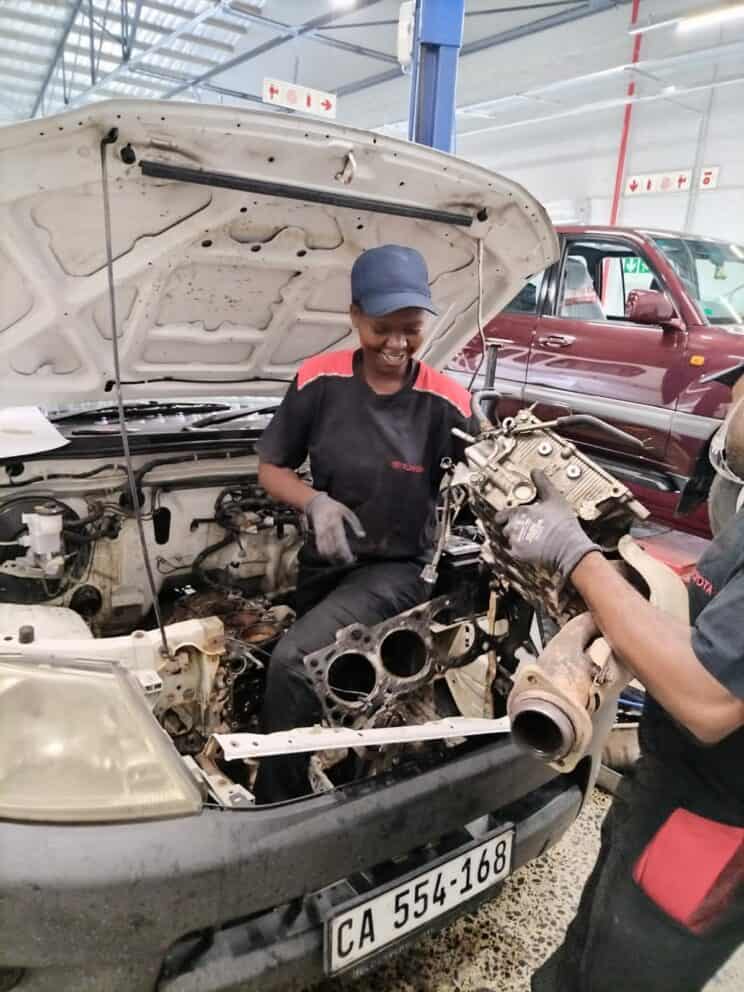
The RMI also supports apprentices in establishing their workshops, fostering entrepreneurial spirit. “We guide start-ups to meet industry standards,” says Van Huyssteen. “Zetu, Nasiefah and Nokanyo will inspire countless women, proving that the automotive sector is a place where they can thrive.”
These women are poised to revolutionise the automotive industry, demonstrating that passion and skill transcend gender. Their journey is a testament to the power of determination and a beacon for future generations of female mechanics.
Source: Cathy Findley PR