


The Alberton train station has sat dormant and unprotected since 2003, with a failed eviction order and no revival plans in sight.
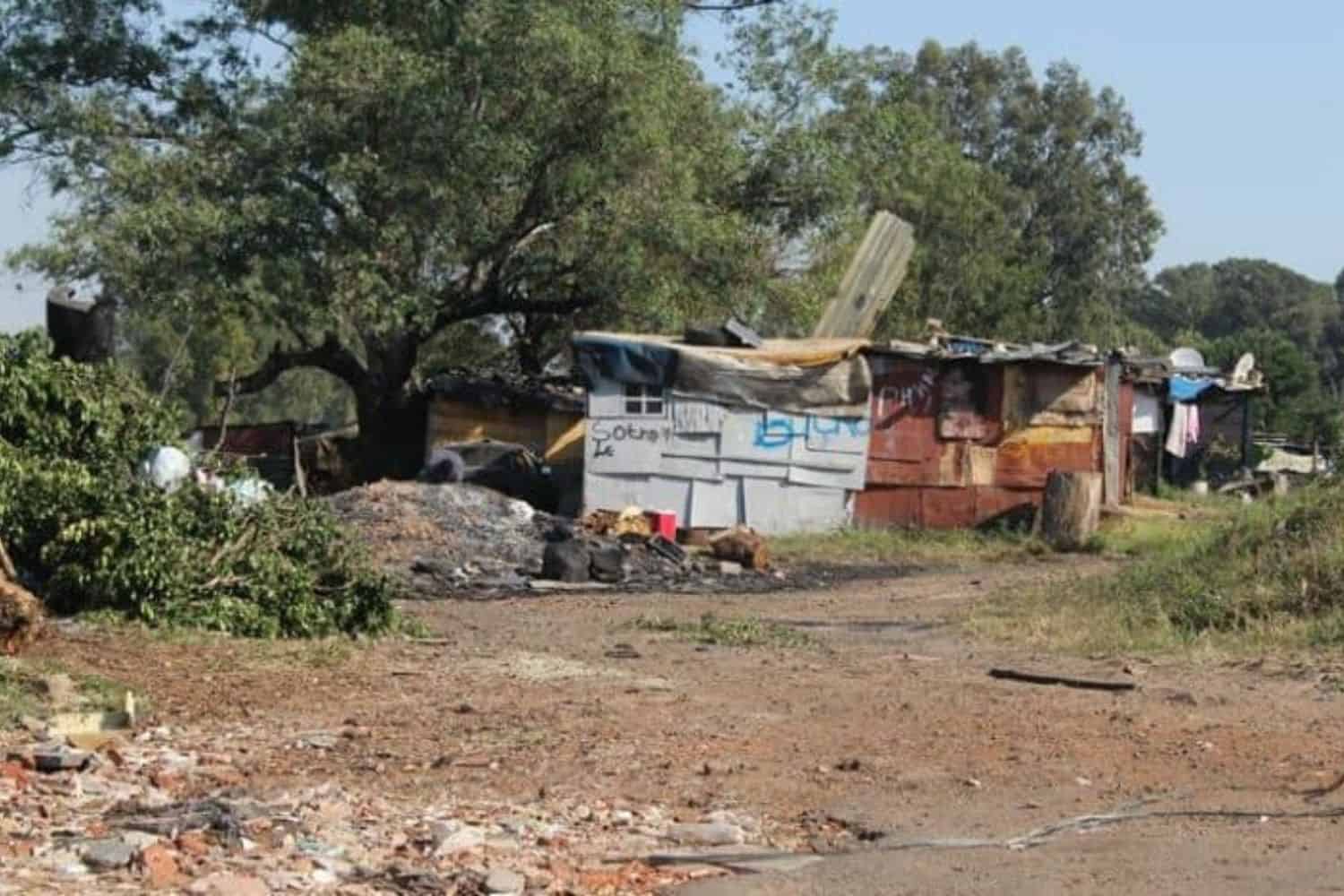
The informal settlement located near the train station in Alberton North. Picture: Supplied


The Alberton train station has had no security presence for more than two decades.
Minister of Transport Barbara Creecy confirmed to Parliament that there have not been any security officers at the station since train services in the area were terminated.
The absence of any protective measures has left the station vulnerable to illegal occupation and criminal activity, a reality that DA MP Tsholofelo Bodlani brought to the minister’s attention through a parliamentary question.
Creecy acknowledged the gap plainly, stating that her department’s Protection Services “has not deployed security officers in the area concerned since 2003/4.”
The lack of oversight raises broader concerns about how Prasa manages dormant infrastructure across its network, particularly in communities where rail services have long since disappeared but the physical assets remain.
An eviction order that failed to hold
Prasa did attempt to address the illegal occupation once before.
Creecy told Parliament that the agency “obtained an eviction order around 2013 and executed it successfully by removing the illegal occupants.
However, the relief was short-lived.
Within the same year the eviction was carried out, illegal occupants had returned and reclaimed the land around the station.
The cycle of occupation, eviction and re-occupation points to a deeper challenge: without an active security presence or a concrete plan to use the land, cleared sites quickly become targets again.
Prasa is now weighing its legal options, with Creecy indicating the agency “is considering applying for another eviction based on future possible station revitalisation.”
Whether that revitalisation will materialise, however, remains far from certain.
No revival plans in current budget cycle
For residents hoping to see the Alberton station return to service, the minister’s response offered little comfort.
Creecy was direct in stating that “there are no plans to revitalise the station in the current MTEF” – the Medium Term Expenditure Framework that guides government spending over the next three years.
The station’s future is therefore contingent on longer-term infrastructure planning rather than any immediate intervention.
Creecy noted that “as Prasa continues its programme of repairing and upgrading station infrastructure throughout its passenger rail network, dormant stations may be earmarked for refurbishment in future financial years.”
The phrasing leaves considerable room for uncertainty.
No timelines, funding allocations or feasibility assessments were cited, suggesting the Alberton station remains low on Prasa’s list of priorities despite the ongoing illegal occupation.
Police collaboration exists, but questions remain about effectiveness
Regarding law enforcement, Creecy pointed to an existing structure designed to address crime on the rail network.
She confirmed that “the collaboration with Saps remains in place through the National Rail Crime Combatting Forum and substructures at Provincial level for crime prevention and joint operations.”
However, the minister’s response did not address whether this collaboration had been activated specifically in relation to the Alberton station, nor whether any joint operations had taken place there.
Given that illegal occupation returned within months of the 2013 eviction, and that no security officers have been on the ground since, the effectiveness of broader coordination structures in protecting individual dormant stations remains an open question.
Support Local Journalism
Add The Citizen as a Preferred Source on Google and follow us on Google News to see more of our trusted reporting in Google News and Top Stories.

